In a world increasingly obsessed with screens, some educators in Toronto are taking children on walks with the land and water, or as they call it, Aki and Nibi. It's happening on the traditional lands of the Mississaugas of the Credit, where researchers are exploring a delightfully simple, yet profound, question: Can outdoor play teach kids how to live with nature, not just in it?
This isn't just about getting fresh air. It's about a deeper connection, inspired by Indigenous knowledge and the Truth and Reconciliation Commission's push for culturally appropriate early childhood education. Basically, they're asking if a dandelion can teach you more about responsibility than a textbook ever could.
The Unpicked Dandelion
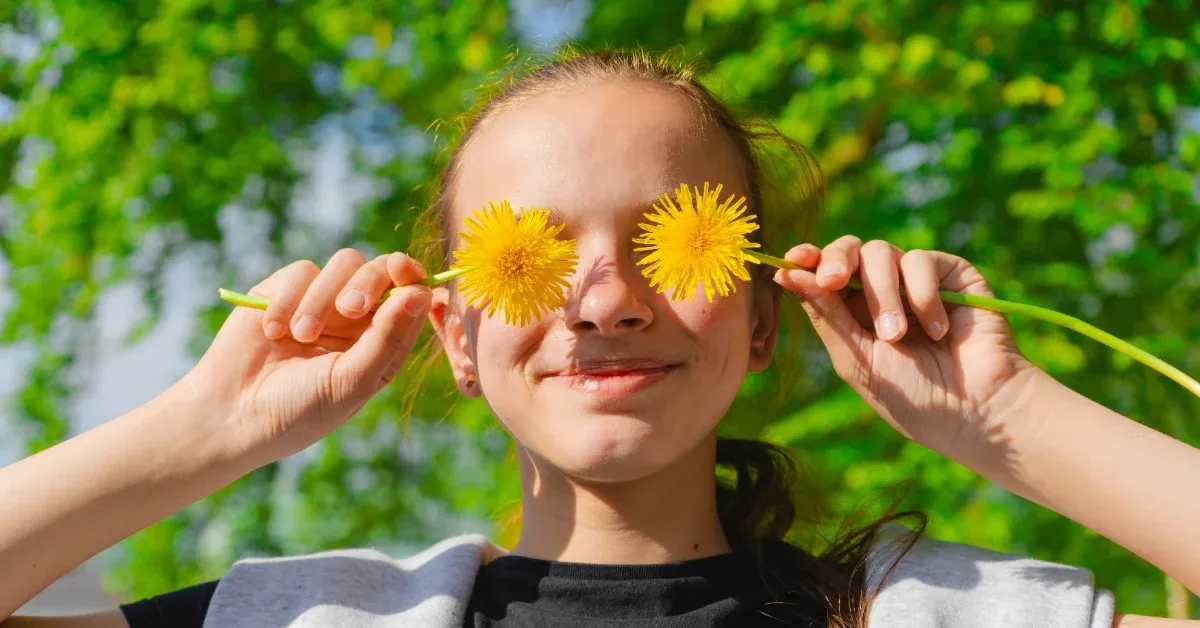
Picture this: a group of kids, Anishinaabe storytellers, and educators are walking through the Humber Arboretum. They hear red-winged blackbirds, spot green frogs, and then, the star of the show: bees buzzing happily on dandelions. These aren't just weeds; they're the first buffet for native bees in spring. And everyone knows a good buffet is sacred.
We're a new kind of news feed.
Regular news is designed to drain you. We're a non-profit built to restore you. Every story we publish is scored for impact, progress, and hope.
Start Your News DetoxWhen one child instinctively reaches for a bright yellow bloom, others gently intervene. "That's the bees' first juice!" they remind each other. The dandelion stays put. It’s a small moment, but it speaks volumes about a different way of seeing the world – not as a collection of things to take, but as a network of relationships to respect. Which, if you think about it, is both impressive and slightly terrifying for anyone who's ever mowed a lawn.
These seemingly tiny interactions form the core of research into how children learn about their responsibilities to the natural world. It’s about more than just identifying flora and fauna; it’s about understanding the interconnectedness of it all.
The Case of the Missing Stick
Kids love collecting things. Sticks, acorns, snail shells – these are often called "loose parts" in early childhood education. They're fantastic for imaginative play. But what if that stick isn't just a stick? What if it's a home for insects? Or that empty snail shell is a calcium boost for a deer? Or a future home for a native bee?
Walking with Indigenous perspectives means asking different questions. Not "What can I do with this?" but "Who needs this? Does it belong to someone else?" It shifts the perspective from seeing nature as a resource to exploit, to seeing it as a series of gifts, each with its own responsibilities. And if that's not a mind-bending concept for a five-year-old, we don't know what is.
This isn't just theory. Research shows children take these understandings home, encouraging their families to let dandelions grow a little longer. Because apparently, even a tiny human knows that a bee's breakfast is more important than a perfectly manicured lawn.
Walking Gently
This approach, called Etuaptmumk or Two-Eyed Seeing, weaves Indigenous and other ways of knowing. Mi'kmaw Elder Albert Marshall describes it as "menaraj pemwije'tul'tik" – to walk together gently. It's a call to live with intention, humility, and care for all beings. A radical concept in a world where biodiversity is plummeting faster than a lead balloon.
It's a reminder that nurturing a child's kinship with nature doesn't require a trip to the Amazon. It starts with a dandelion, a bee, and a simple question: What are our responsibilities in this relationship? Because sometimes, the most profound lessons are found right under our noses, if only we remember to look down.