Turns out, tackling climate change might require a dose of something called ecofeminism. And in Uganda, grassroots groups are making a compelling case for why women aren't just part of the solution — they are the solution.
They're not just saying women are disproportionately affected by climate disaster (which they are, especially in informal settlements hit by floods and pollution). They're arguing that women hold unique insights and traditional knowledge that are crucial for crafting real solutions, and frankly, it's time everyone listened.
The Roots of a Radical Idea
The term "ecofeminism" isn't new. It popped up in the 1970s, coined by French feminist Françoise d’Eaubonne. Her core idea? The oppression of women and the exploitation of nature stem from the same patriarchal roots. Basically, if you're going to control one, you're probably going to try and control the other.
We're a new kind of news feed.
Regular news is designed to drain you. We're a non-profit built to restore you. Every story we publish is scored for impact, progress, and hope.
Start Your News DetoxShe argued that centuries of men controlling both women's fertility and the Earth's resources, pushed to extremes by global capitalism, are threatening life itself. Her solution? Women need to reclaim control and build a society that's ecological, equal, and self-governing. Which, if you think about it, is both impressive and slightly terrifying for the status quo.
This idea wasn't just a European thing. In India, women led the Chipko movement in 1973, literally hugging trees to protect them from deforestation. Then there's Kenyan activist Wangarĩ Maathai, who started the Green Belt Movement in 1977, empowering rural women to restore ecosystems. She later snagged a Nobel Peace Prize for her efforts in 2004. So, yeah, it's got some serious street cred.
Today, ecofeminism is less about asking for a seat at the table and more about dismantling the entire table if it's built on patriarchy, capitalism, and extractivism (which, for the uninitiated, is just a fancy word for ripping natural resources out of the ground for export). Because apparently that's where we are now.
Uganda's Women on the Front Lines
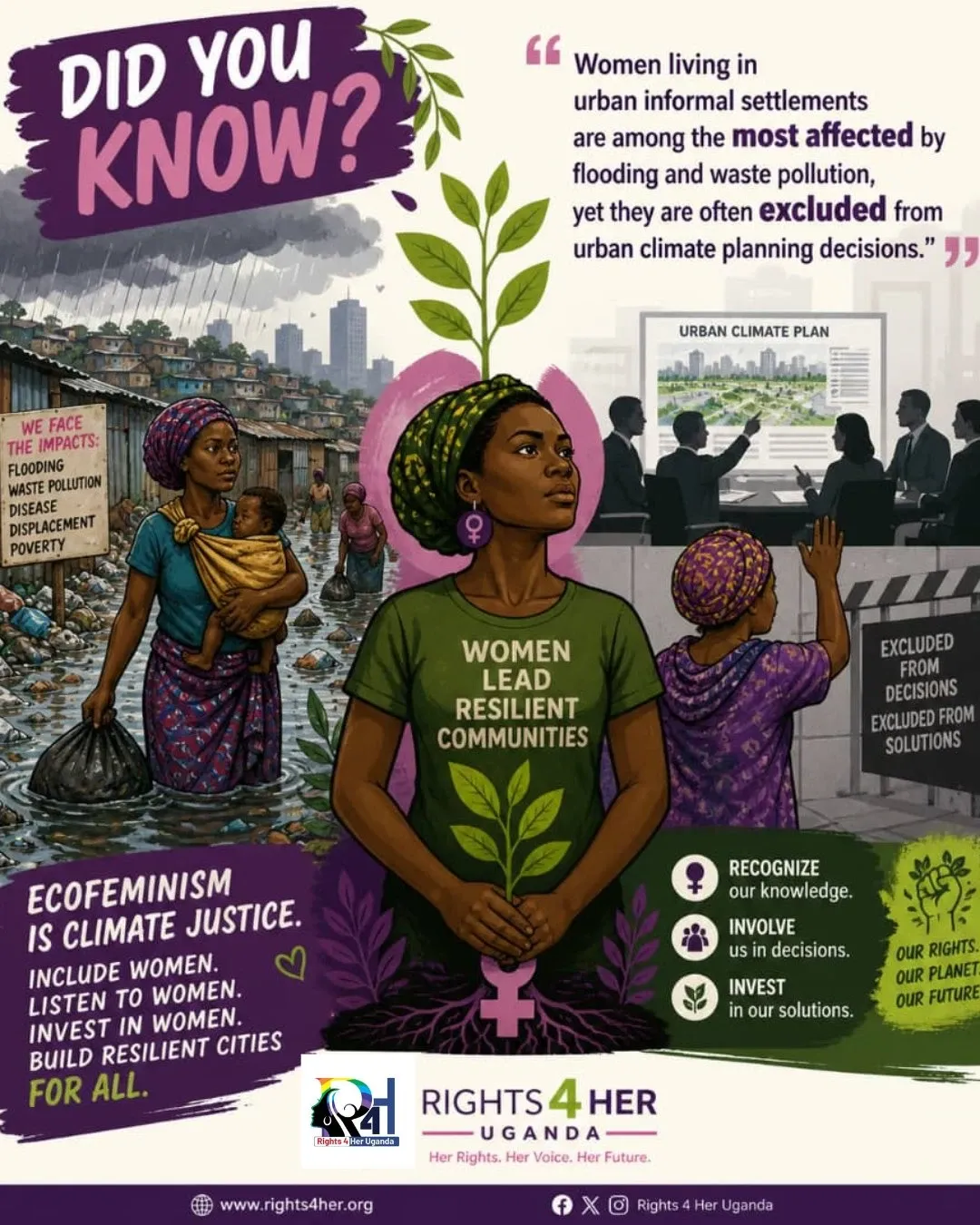
Organizations like Rights 4 Her in Uganda are leading the charge, operating under the mantra that "women lead resilient communities." Their banners show women connected to the Earth, a visual reminder of both their bond and the exclusion they often face.
They advocate for "inclusive climate decisions," stating clearly: "Ecofeminism is climate justice. Include women. Listen to women. Invest in women. Build resilient cities for all." Meanwhile, youth-led Girls for Climate Action called for 30% of climate funding to go directly to women, girls, and vulnerable communities. Because, you know, solutions are expensive, and those most affected probably know a thing or two.
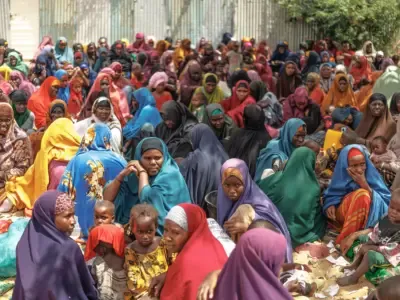
This movement also champions Indigenous knowledge, particularly the wisdom held by women and girls about their environment. It’s about tapping into centuries of living with the land, not just looking at spreadsheets.
However, Uganda's journey isn't without its bumps. While laws mandate women's inclusion in decision-making—requiring one-third of local government and parliamentary seats—the reality falls short. Women hold only 22% of local deliberative seats and 34% of parliamentary seats, despite making up 51% of the population. It seems some laws are more aspirational than actual.
Then there's the East African Crude Oil Pipeline (EACOP) project. Critics say it's a giant contradiction to the government's climate promises, leading to forced evictions, threats, and even violence against local communities and activists. It's a stark reminder that environmental justice often comes with a fight, and sometimes, that fight is against the very systems claiming to solve the problem.
But for Ugandan ecofeminists, the message is clear: the path to a sustainable future runs directly through the empowerment of women. And ignoring that path would be, well, a grave mistake.