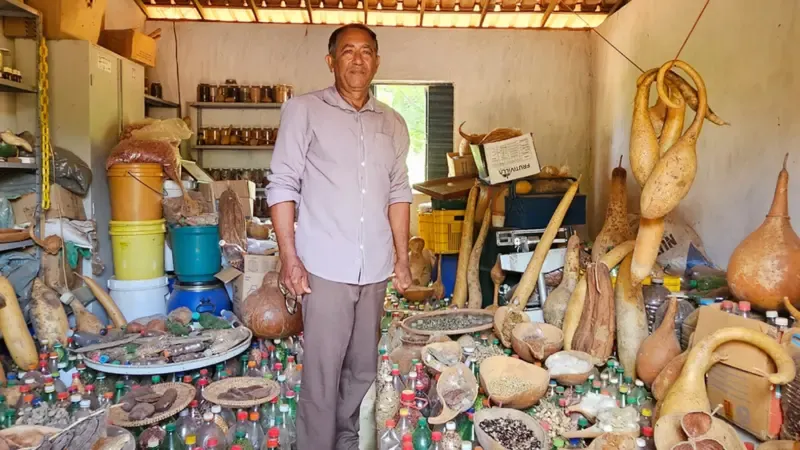
Geraldo Gomes isn't just a farmer; he's a living archive. In Brazil's dry Caatinga region, where long droughts are the norm and native plants are vanishing, this 62-year-old has personally saved over 200 types of local seeds. Because apparently, some things are worth fighting — and preserving — for.
Born in the same house as his mother and where his grandmother got married, Geraldo grew up with a simple, powerful lesson from his father and grandfather: a farm should be a forest. Full of life, full of variety. They grew everything from rice to peanuts to 70 types of beans. And a key family tradition? Saving and exchanging seeds. Because why rely on outside sources when you can be your own?
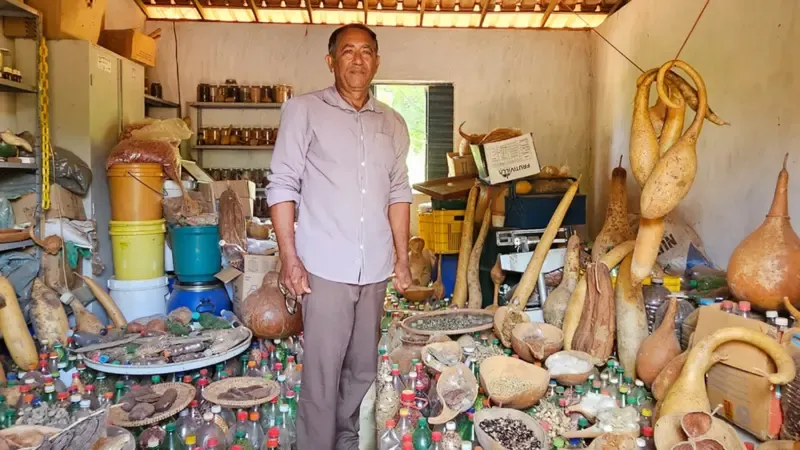
Walk into Geraldo's home and you'll find liqueurs made from pumpkin, banana, and corn — about 30 different types. But the real showstopper is his "seed house." Shelves and floors overflow with jars and bottles, each holding hundreds of seeds in every color and size imaginable. A veritable botanical Noah's Ark, just in case.
We're a new kind of news feed.
Regular news is designed to drain you. We're a non-profit built to restore you. Every story we publish is scored for impact, progress, and hope.
Start Your News DetoxThe “Crazy” Plan That Saved a Legacy
Geraldo is known as an important guardian of heirloom seeds, collecting and preserving plant species that are literally disappearing. He also multiplies them. Some of his seeds have been planted for over a century, a testament to their resilience and his dedication. He sees it as a duty to future generations, especially as native and cultivated species vanish at an alarming rate.
His farm thrives without pesticides, a deliberate choice in a region increasingly dominated by monoculture. He carefully selects and stores everything from watermelon to cotton seeds, along with medicinal plants and dozens of corn varieties. This isn't just farming; it’s a form of quiet, botanical rebellion, supported by programs like One Land and Two Waters that champion harmony with nature.
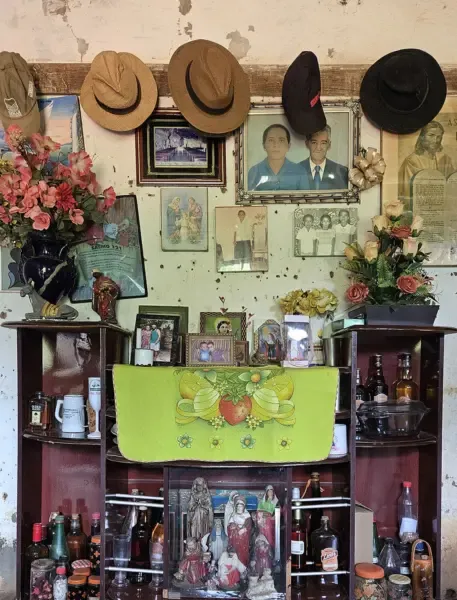
But it's not easy. Geraldo started saving seeds in a corn crib, selecting them year after year. He laments that most seeds on the market today are genetically modified, a far cry from the natural diversity he champions. He sells his seeds at markets, fairs, or by order, a constant effort against the tide of indifference.
He uses an agroforestry system, growing fruit trees like tamarind and cashew alongside medicinal plants. It's a holistic approach that integrates food production, soil fertilization, and environmental preservation. A symphony of growth, if you will.
The Smell of Progress, The Cost of "Green"
The challenges are real, and they literally drift in on the wind. Geraldo smells pesticides from neighboring farms, sometimes even sprayed by drones. He remembers a time before cotton monoculture, when the river always flowed. Now, it's contaminated. Deforestation and destruction, he notes, have changed everything, leading to climate change that threatens his very way of life.
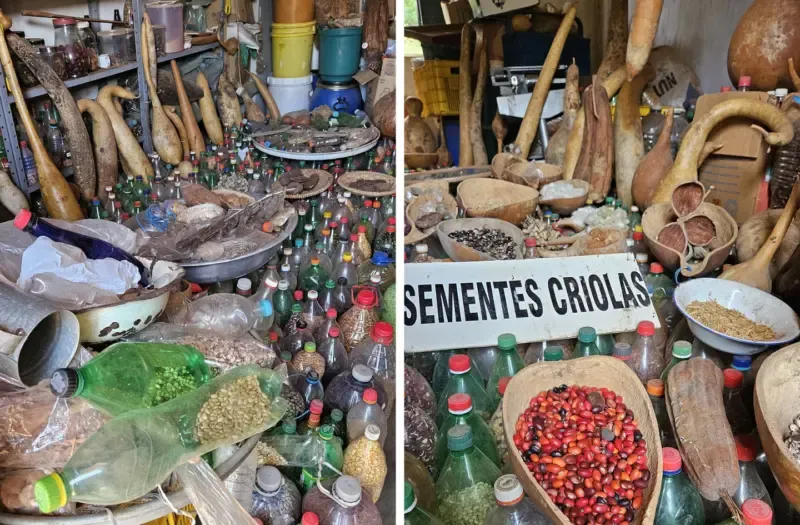
He calls the 1970s "Green Revolution" — with its hybrid seeds, chemical fertilizers, and machines — a "period of great destruction." Native plants were cleared for cotton. Farmers became dependent on banks, losing their land to debt. He recalls seeing streams of green poison in the river.
People used to call his diverse planting system "crazy." But Geraldo believes this "craziness" saved countless species. The Caatinga biome has lost 14.4% of its native vegetation between 1985 and 2023, largely due to expanding agriculture. Geraldo wants to turn his seed house into a seed museum, a monument to a different way, and a reminder that sometimes, the craziest ideas are the ones that save us all.