A new "killer fungus" has been found in Britain. It destroys an aggressive invasive plant called heath-star moss. This discovery offers hope for restoring native habitats that the moss has damaged.
Scientists believe this could be a rare instance of the British environment fighting back against invasive species.
The Discovery of Moss Die-Back
Dr. George Greiff, 30, found the fungus four years ago while walking on the Isle of Wight. He noticed dead invasive mosses on a cliffside and took samples. He couldn't identify the cause at first.
We're a new kind of news feed.
Regular news is designed to drain you. We're a non-profit built to restore you. Every story we publish is scored for impact, progress, and hope.
Start Your News DetoxHe kept seeing more cases of dying moss. Working with scientists in the UK and France, he finally solved the mystery. The cause was a powerful fungus, new to science, now called moss die-back.

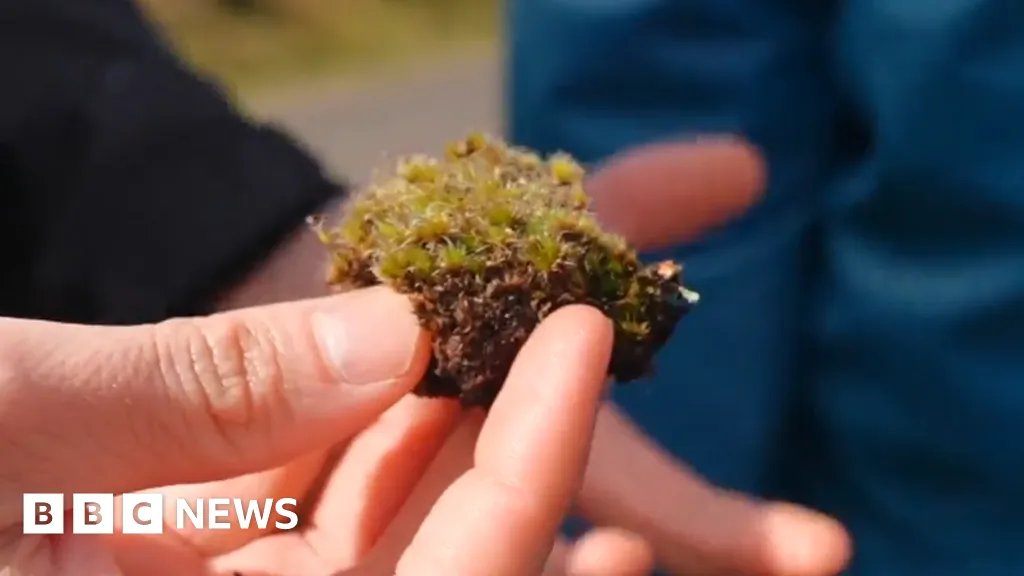
The heath-star moss is widespread across Britain. It grows on hillsides, sand dunes, and even in tarmac. Dr. Greiff described it as "aggressive" and noted it has caused many problems despite its pretty appearance.
The Impact of Invasive Moss
About 2,000 non-native plants and animals have been introduced to Britain. Some, like the grey squirrel or Japanese knotweed, dominate environments and cause damage.
Scientists believe heath-star moss arrived in Britain in the 1940s from the southern hemisphere. By 1990, it had spread everywhere. It reproduces quickly and sends out spores widely, making it a successful invader.
Native mosses are crucial for habitats like rare temperate rainforests and peatlands, which store carbon. However, they are threatened by non-native plants like heath-star moss. In some heathlands, native mosses have become locally extinct or significantly reduced.
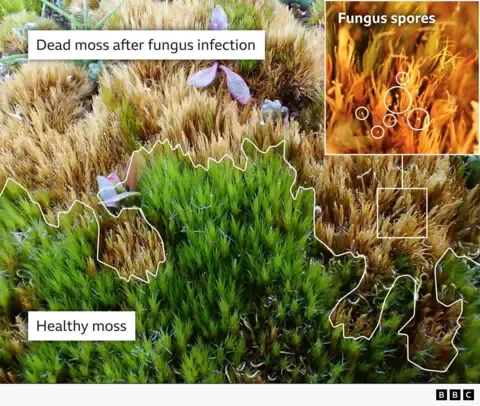
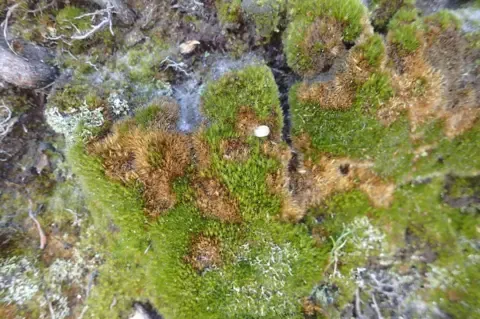
Dr. Greiff showed "fairy rings of death" in south Wales, where the fungus has killed the moss. These brown rings of dead moss, when viewed closely, show white blobs on the moss tips — the fungus at work.
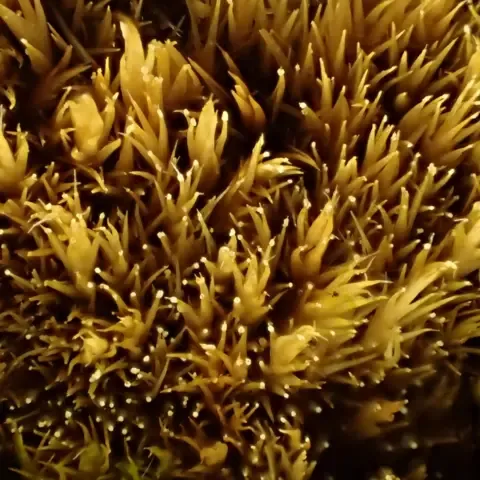
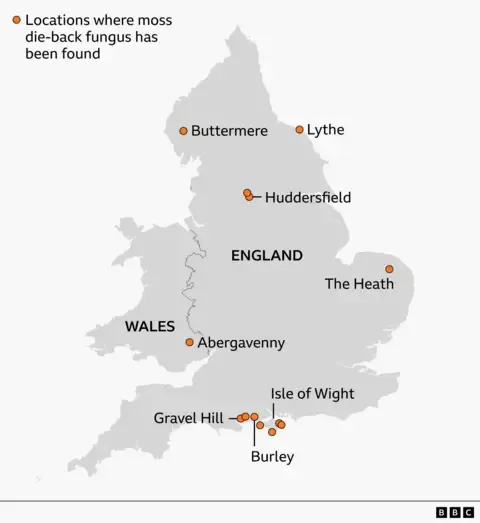
In areas where the moss has died, baby heather plants are now able to grow. Dr. Greiff has found the fungus in various locations across England and Wales.
A Natural Solution
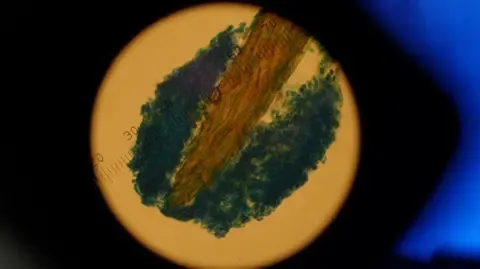
Identifying the fungus involved extensive DNA sequencing. Under a microscope, the fungus appears to cling to the moss stem, ballooning like candy floss. It even penetrates the moss cells.
The moss die-back fungus is a close relative of the ash die-back fungus, which has killed many ash trees in Britain. However, Dr. Greiff's analysis suggests this new fungus primarily affects heath-star moss and only one other moss type to a limited extent. More research is needed to confirm these findings.
Dr. Greiff believes this fungus might have originated from a native species that adapted to kill heath-star moss. This makes it a rare example of the British environment naturally fighting back.
Human efforts to control invasive species, like feeding contraceptives to grey squirrels, are often resource-intensive and expensive. Having a natural biological control agent like this fungus is incredibly valuable.
Scientists are examining old moss samples in museum collections, some from the 1880s, to pinpoint when and how the moss die-back fungus appeared.
Dr. Nathan Smith, Head of Plant and Earth Science at Amgueddfa Cymru museum, noted that this fungus offers a chance to save unique moss landscapes. These landscapes are home to many insects, fungi, molluscs, and other plants.
Britain's nature is among the most depleted globally, with one in six species at risk of extinction. Discovering a natural control for habitat destruction offers significant hope for conservation efforts.