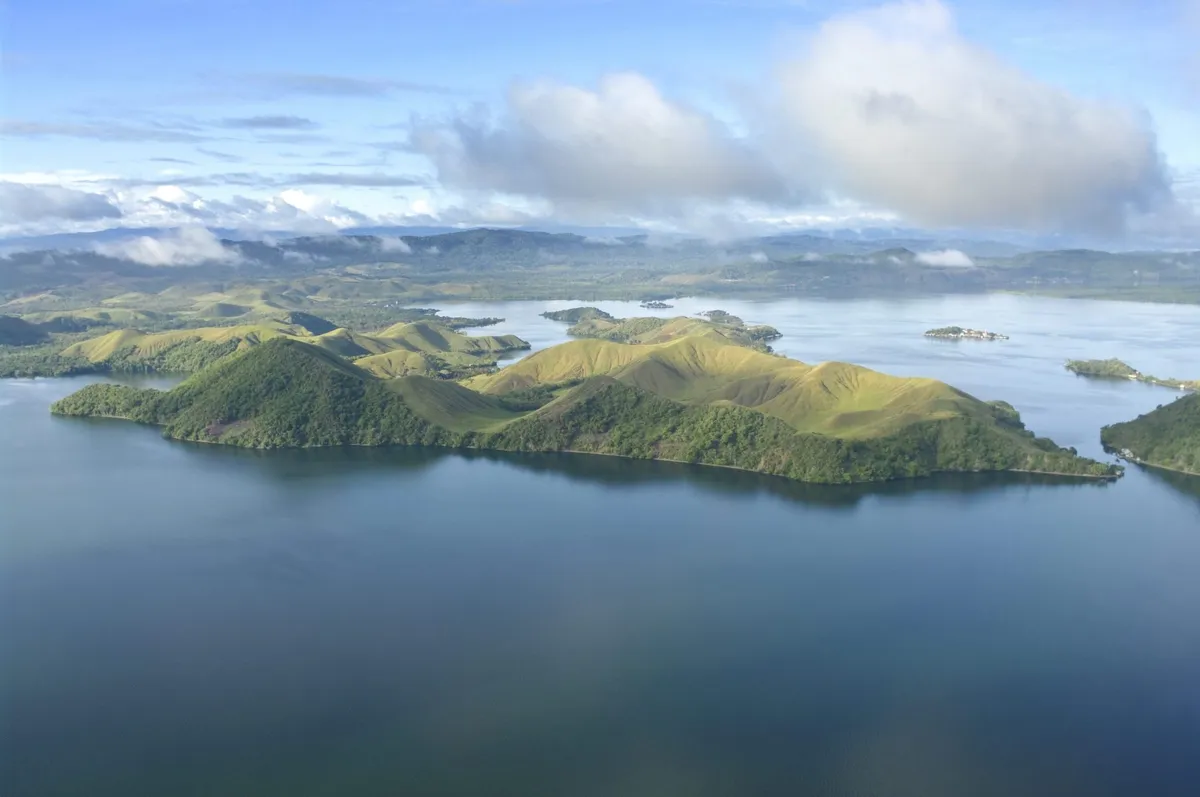
Papua New Guinea just dropped a new ocean sanctuary into the Bismarck Sea, and it's a whopper: 214,000 square kilometers, roughly the size of the entire United Kingdom. And in case that wasn't clear, all fishing and extractive activities are now officially banned.
This Western Manus Marine Protected Area (MPA) isn't just the biggest "no-take" zone in Melanesia. It's also strategically placed, covering 6.7% of PNG's industrial fishing grounds and a full 10% of its tuna-catching real estate. Scientists, with their infinite wisdom, believe this will actually boost productivity in the surrounding fisheries. Because apparently, that's how oceans work now.
The Shark Who Knew Too Much
So, how exactly did they figure out where to draw the lines for this aquatic behemoth? By following sharks. Specifically, individual gray reef sharks, an endangered species with a lot on their plates (and in their stomachs). Scientists tagged them and tracked their daily commutes between the shallow reefs and the deep-sea diners where they hunt.
We're a new kind of news feed.
Regular news is designed to drain you. We're a non-profit built to restore you. Every story we publish is scored for impact, progress, and hope.
Start Your News DetoxTheir movements unveiled an underwater "marine highway" – a complex system of mountains, ridges, and canyons that acts like a nutrient conveyor belt, bringing rich water from the deep to the surface and back again. Dolphins, whales, and even other sharks, like scalloped hammerheads, use this submerged superhighway. Seabirds, too, stop for a bite. The MPA's boundaries were then drawn to protect this entire intricate dance, not just the sharks' bedrooms.
What They Found When They Looked Closer
A three-month expedition in 2024 by National Geographic Pristine Seas helped set the ecological baseline. The results were a mixed bag, like finding a five-star restaurant in a ghost town.

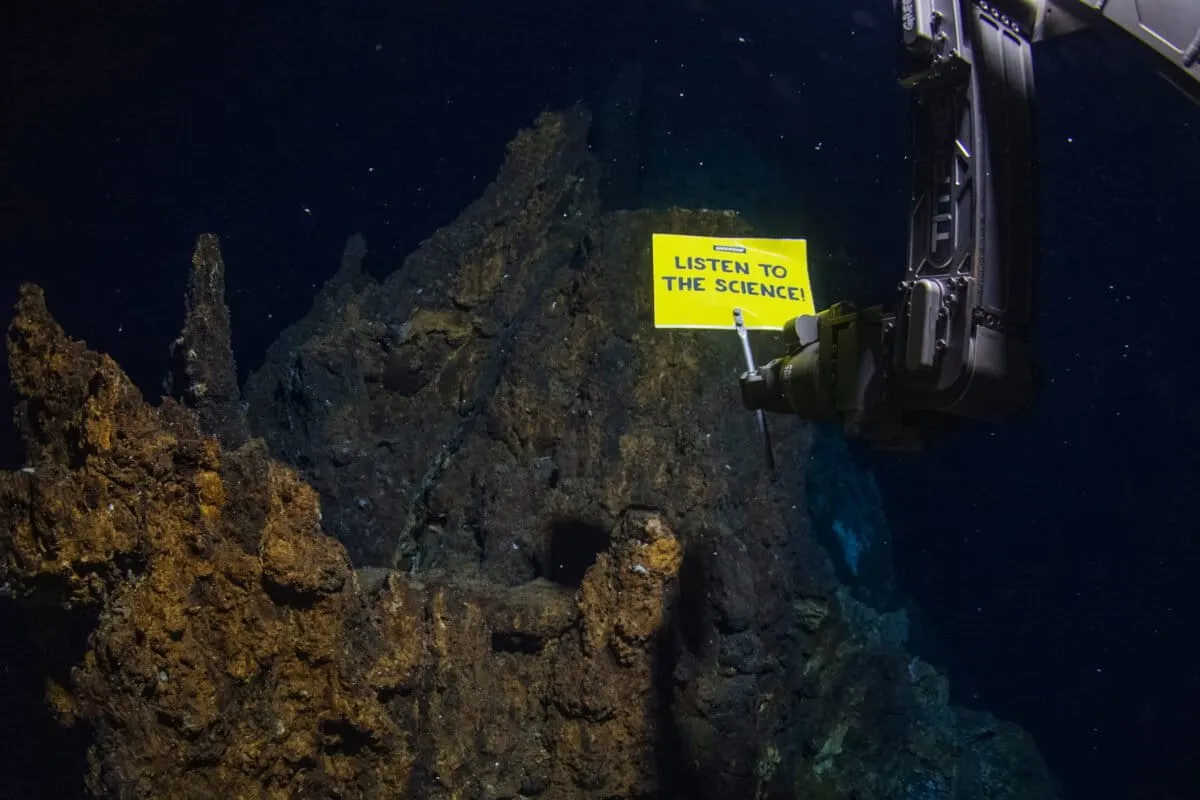
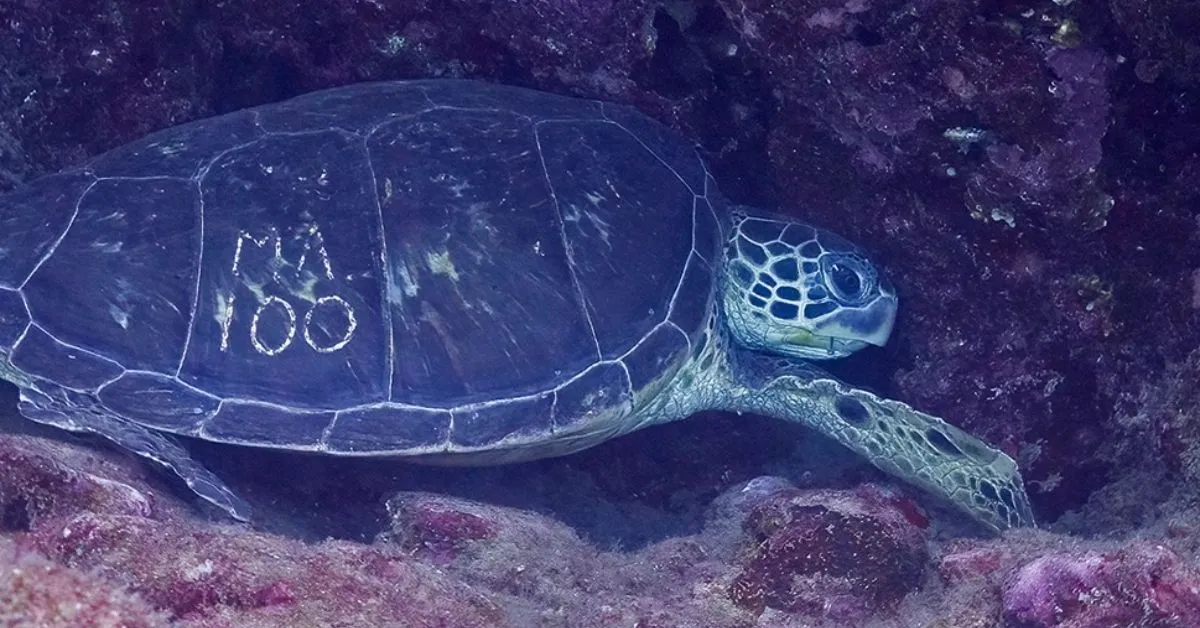
Coral reefs in the Western Islands were pristine, teeming with wahoo and jacks. But the shark numbers were suspiciously low, which is usually a flashing neon sign for overfishing. On the deep-sea front, they discovered species never before recorded in PNG, including the yokozuna slickhead, a fish so large it sounds like a sumo wrestler. This rich, undescribed biodiversity just screamed, "Protect us!"
They logged over 700 types of reef fish and more than 300 species of hard corals. PNG, after all, sits squarely in the Coral Triangle, which is basically the marine biodiversity capital of the world. Let that satisfying number sink in.
This announcement was made during the first Melanesian Ocean Summit in Port Moresby, where delegates from PNG, Fiji, Solomon Islands, New Caledonia, and Vanuatu gathered. These nations are all-in on the global 30x30 campaign, aiming to protect 30% of the world's oceans by 2030. PNG's new sanctuary will account for about nine percent of its exclusive economic zone and become a cornerstone of the broader Melanesian Ocean Corridor of Reserves. Which, if you think about it, is both impressive and slightly terrifying for anyone who prefers their fish on a plate.