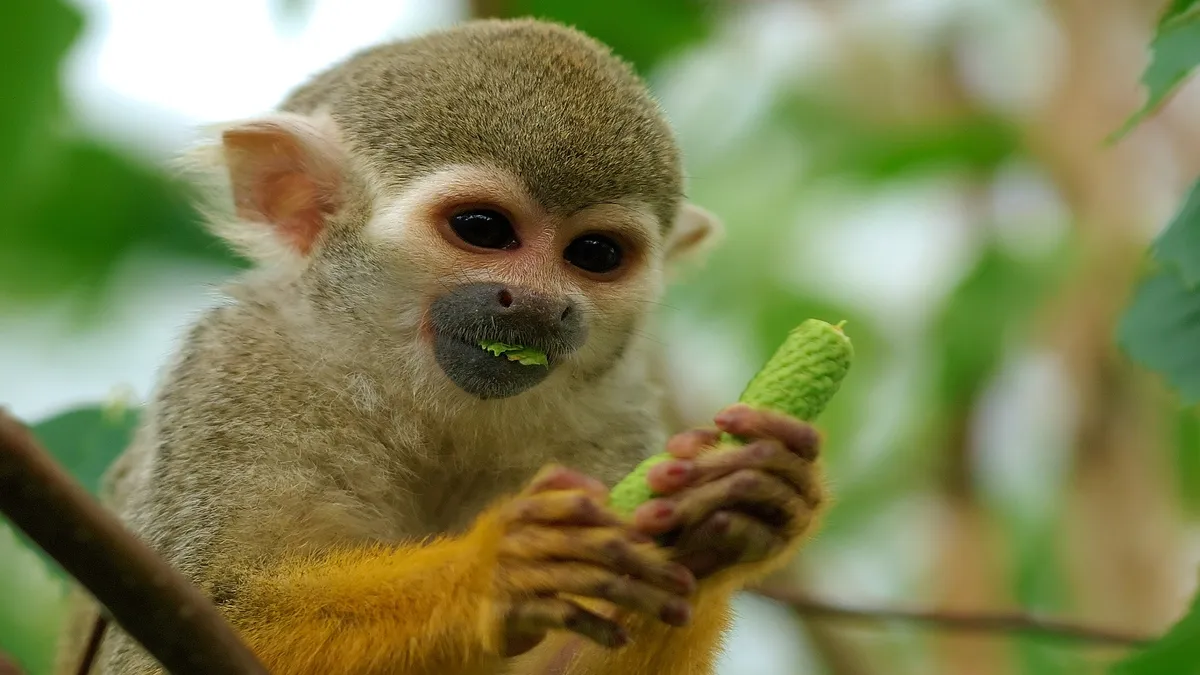
Most wildlife AI is busy looking at who's stomping around on the forest floor. You know, the usual suspects. But what about the high-rise dwellers? The ones living their best lives up in the canopy, quietly munching on leaves and generally being harder to spot than a teenager avoiding chores?
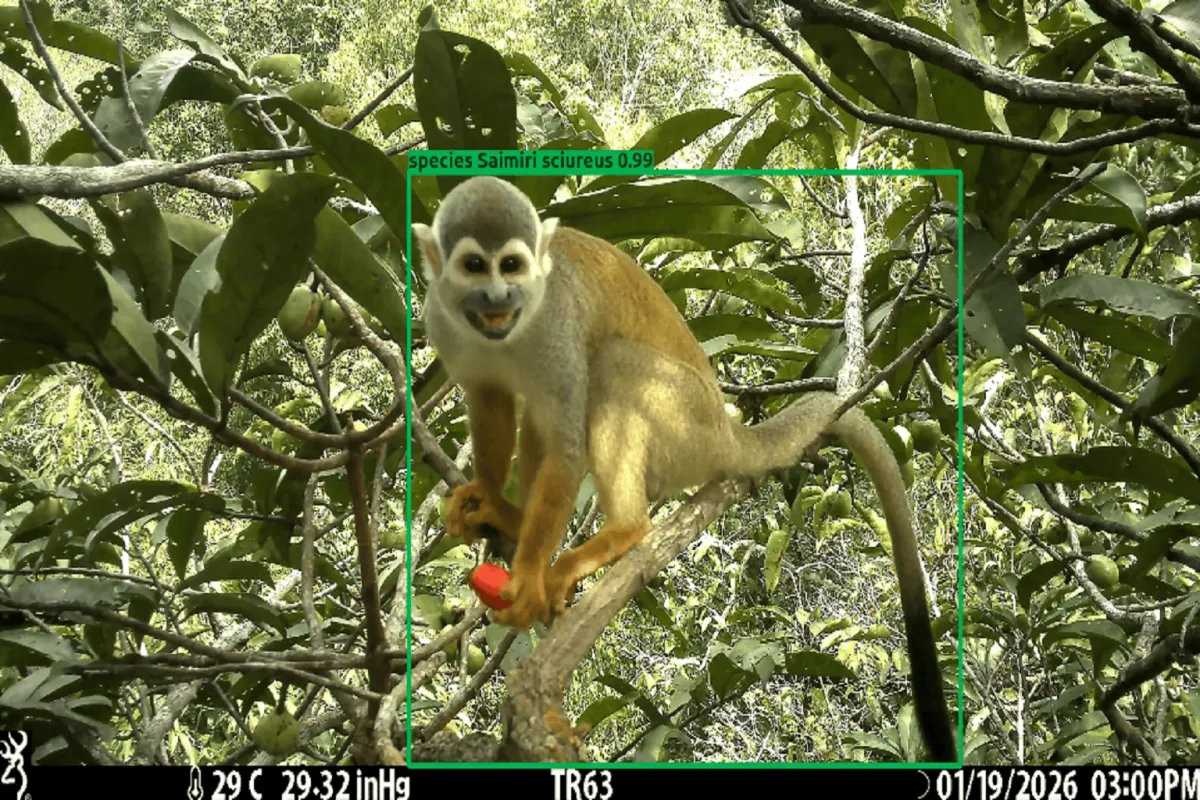
Turns out, those arboreal residents have largely been flying under the AI radar. Until now. Enter TropiCam-AI, a new model specifically designed to peer into the tropical treetops of the Americas and identify the mammals and birds living up there. Because apparently, that's where we are now: AI that literally looks up to animals.
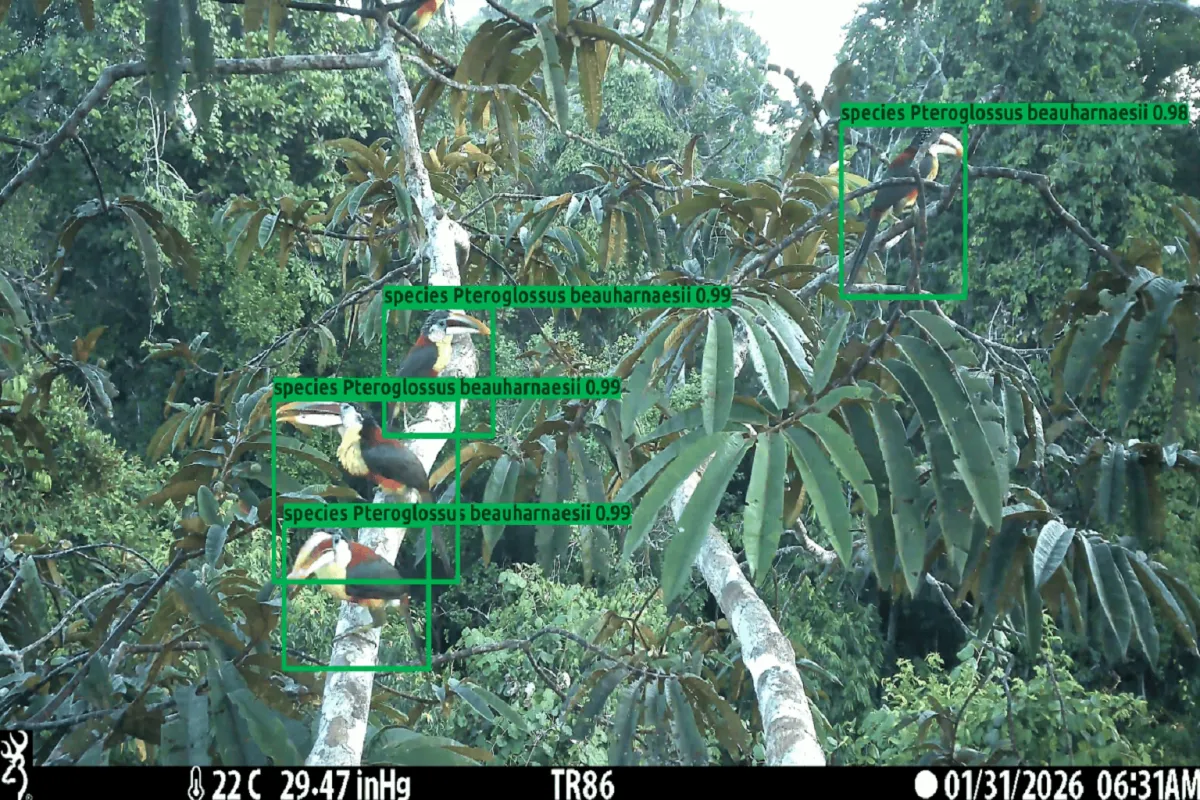
Andrea Zampetti, a Ph.D. candidate at Sapienza University of Rome, led the study. She explained that TropiCam-AI was built from the ground up (or rather, from the forest floor up) for camera surveys targeting the forest canopy. This means it's not just a repurposed ground-level AI trying to get a neck cramp; it's purpose-built for the lofty life.
We're a new kind of news feed.
Regular news is designed to drain you. We're a non-profit built to restore you. Every story we publish is scored for impact, progress, and hope.
Start Your News DetoxWhy the High Life Matters
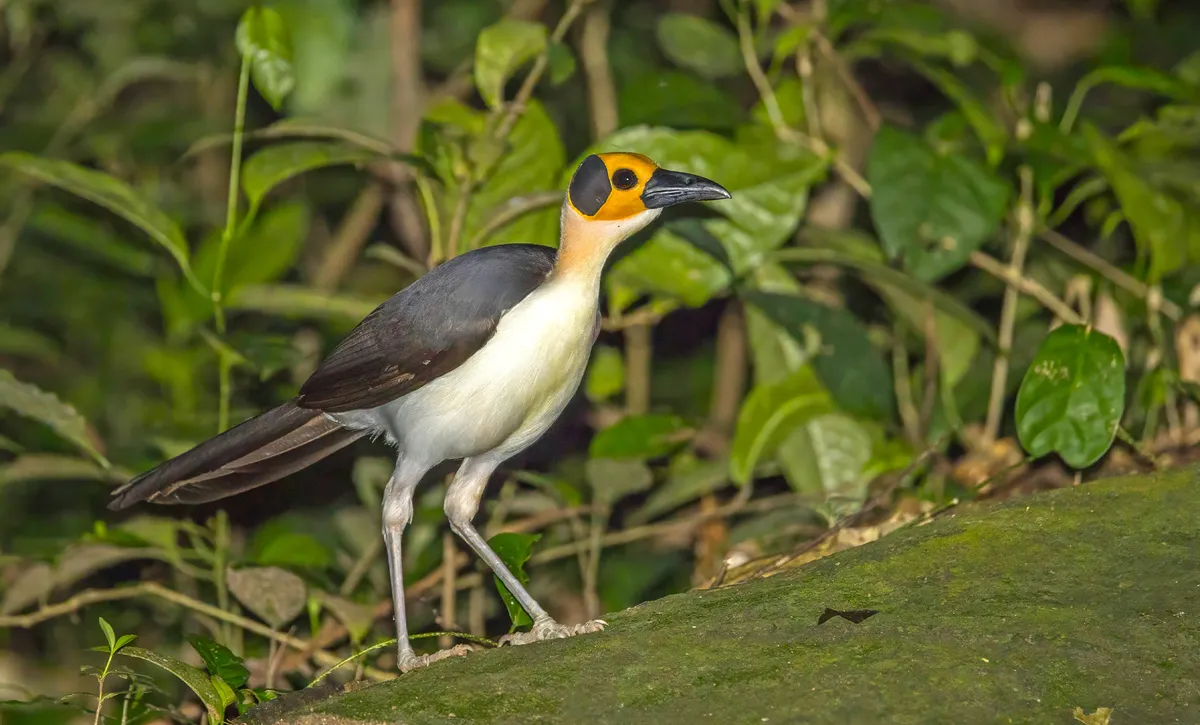
These tree-dwelling species aren't just there for aesthetics. They're basically the unsung heroes of the ecosystem, especially when it comes to seed dispersal. We're talking about primates, small mammals, and birds that munch on up to 90% of plant species in tropical rainforests. Let that satisfying number sink in.
Naturally, if your entire existence revolves around trees, deforestation isn't just a bummer; it's an existential threat. So, understanding and monitoring these canopy creatures is crucial for conservation efforts. Zampetti and her team previously pointed out that AI for these high-flying (or high-climbing) animals is far less common than its ground-based counterparts. Good thing someone finally decided to look up.