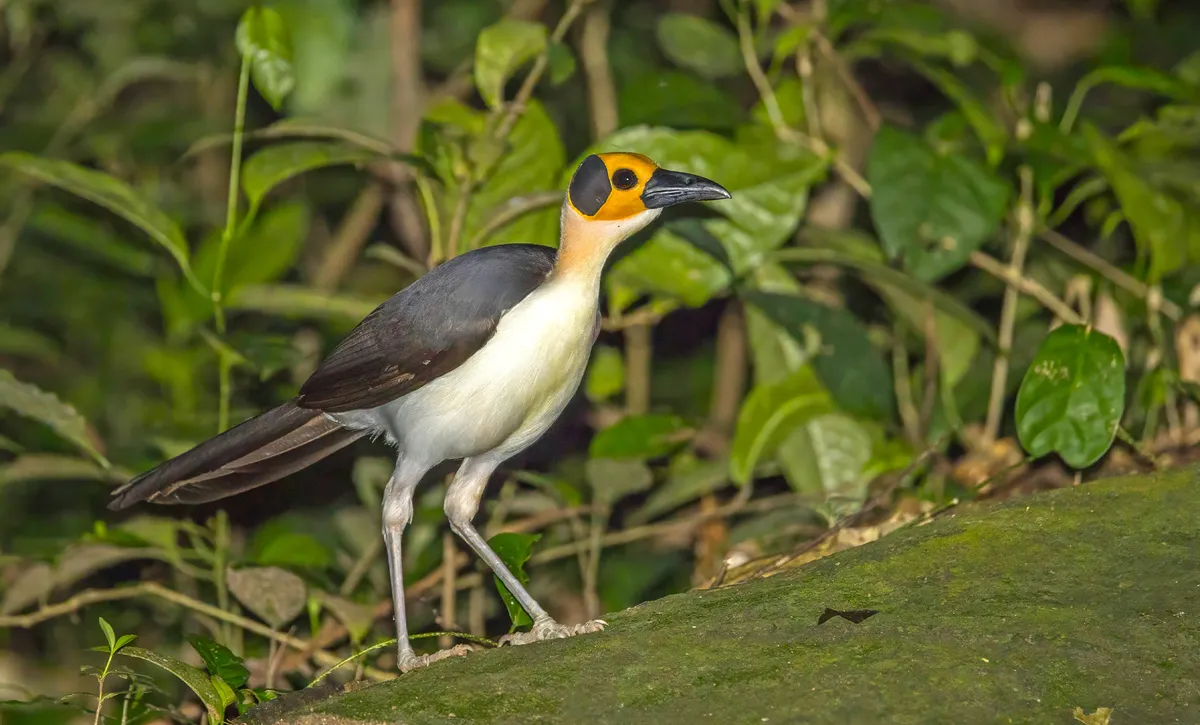
When conservation biologist H.S. Sathya Chandra Sagar first arrived in Sierra Leone's Gola Rainforest National Park, he didn't just see the trees. He heard them. A full-blown symphony of birdsong, primate hoots, and the distant, rhythmic drumming of chimpanzees on tree roots. It was the kind of vibrant soundscape that makes you think, "Ah, this place is doing something right."
Sagar, a Ph.D. researcher from the University of Wisconsin-Madison, was there to investigate a question many conservationists ponder: Does money spent on carbon conservation actually help the animals, too? His study, now published in Conservation Science and Practice, suggests a resounding yes. Turns out, when you manage carbon financing well, you're not just saving carbon markets; you're saving biodiversity.

The Forest That Came Back to Life
The Gola Rainforest is a crucial chunk of the Upper Guinean Tropical Rainforest, a sprawling green giant that once covered a staggering 700,000 square kilometers across West Africa. But like many natural treasures, it faced a tough time. Decades of mining, logging, and a brutal civil war in the 1990s chipped away at it. By 2010, Sierra Leone decided enough was enough, protecting 700 square kilometers of its remaining forest.
We're a new kind of news feed.
Regular news is designed to drain you. We're a non-profit built to restore you. Every story we publish is scored for impact, progress, and hope.
Start Your News DetoxThen came the Gola REDD+ project in 2012. This isn't just a fancy name; it's a United Nations framework designed to put a dent in emissions caused by deforestation and forest degradation. In essence, it pays communities to keep their trees standing, turning forests into valuable carbon sinks rather than timber or farmland. And if the booming wildlife chorus is any indication, it seems to be working.