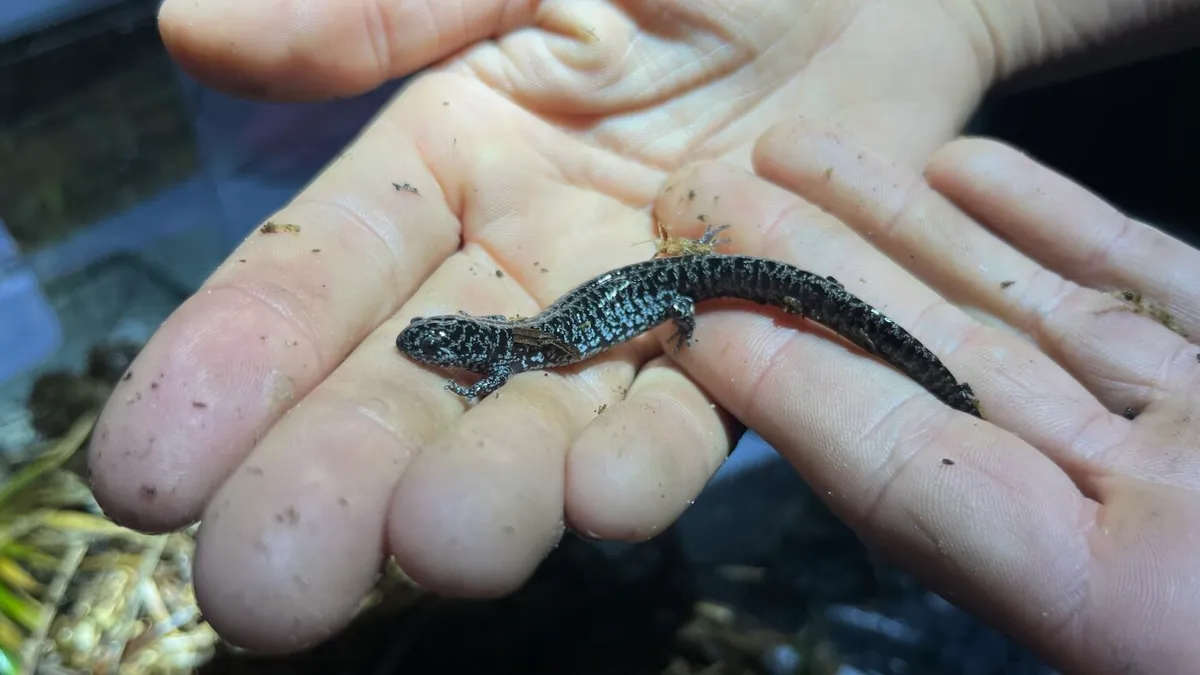
Near Tallahassee, Florida, Nicole Dahrouge searches for frosted flatwoods salamander eggs. These "frosties" are among the most endangered amphibians in the U.S. They are close to an "extinction vortex," where their small population faces compounding problems.
Dahrouge works for the Amphibian and Reptile Conservancy (ARC). Her job is to boost the salamander population and give them time to adapt. This effort starts with finding their eggs in the wild.
Frosted flatwoods salamander eggs need specific weather conditions to hatch. They are laid in the fall in temporary ponds, on dry mounds that should flood with winter rains. This is a yearly risk for the salamanders. If the ponds do not flood, the eggs dry up.
We're a new kind of news feed.
Regular news is designed to drain you. We're a non-profit built to restore you. Every story we publish is scored for impact, progress, and hope.
Start Your News DetoxWith changing weather patterns and a warming world, the salamanders are less likely to win this gamble. Dahrouge is trying to improve their chances. Eggs left in the wild have a very low survival rate. Once they hatch into larvae, their odds do not get much better. "Everything eats them," she said.
Dahrouge helps by raising as many salamanders as possible in captivity. This is a huge, ongoing effort. It shows how hard it is to save a federally threatened or endangered species once it is already at risk.
JJ Apodaca, ARC's executive director, said it takes a lot of effort and resources to bring a species back from this point. He added that "we either do this now or we watch them go extinct."
Saving a Species
Scientists learn most about frosted flatwoods salamanders during egg-laying season. These mole salamanders spend most of their lives in underground burrows. They are dark, with white-gray lines on their backs. Dahrouge described them as "beautiful."
In 1999, the U.S. Fish and Wildlife Service (FWS) listed the flatwoods salamander as threatened. Later, they realized there were two similar species: the reticulated flatwoods salamander and the frosted flatwoods salamander. The reticulateds became endangered, and the frosties remained threatened.
A 2019 FWS review found that frosted flatwoods salamanders also deserved to be listed as endangered due to "declining population trends." Seven years later, the FWS has not yet changed their status. An FWS spokesperson said that even without reclassification, they still receive similar protections.
Advocates believe the salamanders should be uplisted to reflect their true situation. They note that previous administrations tried to limit protections for threatened species.
Ecologists like Dahrouge and Apodaca focus more on stabilizing populations and improving habitats. Apodaca said, "Policy can't go out and save a species. We, as a community, we as a society have to go out and save that species."
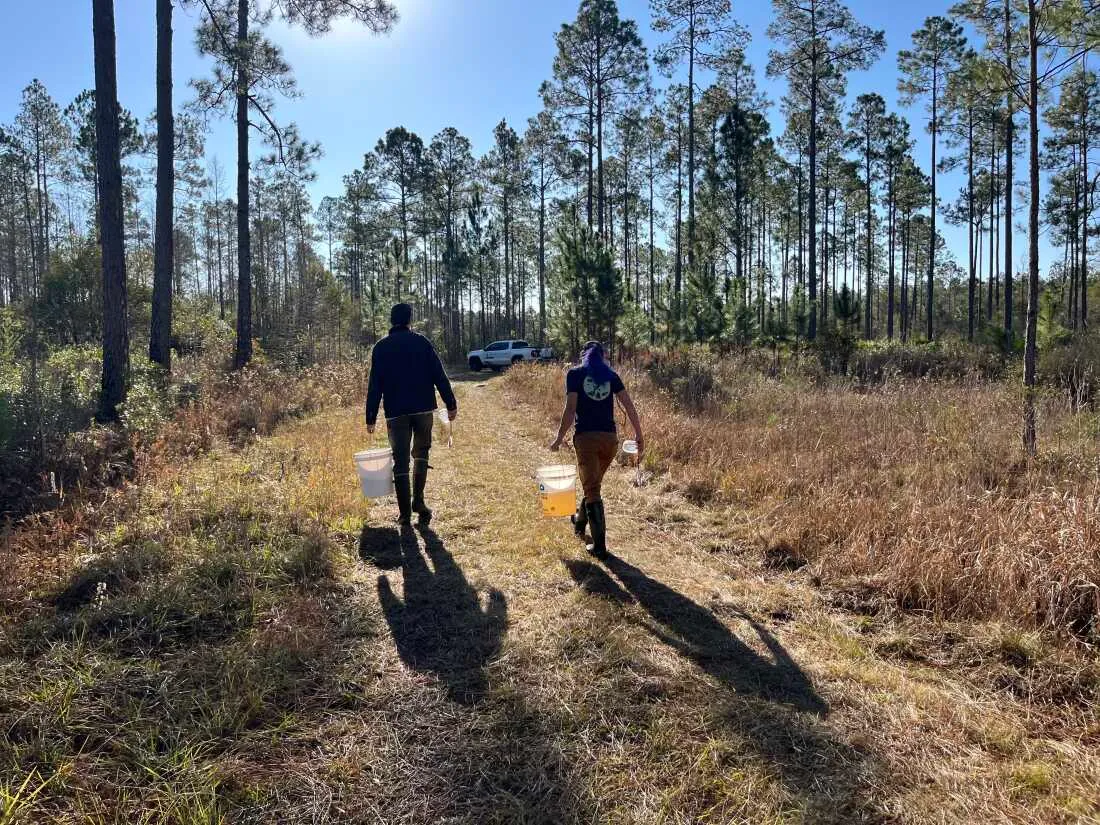
Both flatwoods salamander species need better habitats. They live in the longleaf pine forests of the Southeastern U.S. These forests are flat, open, and depend on wildfires to clear underbrush.
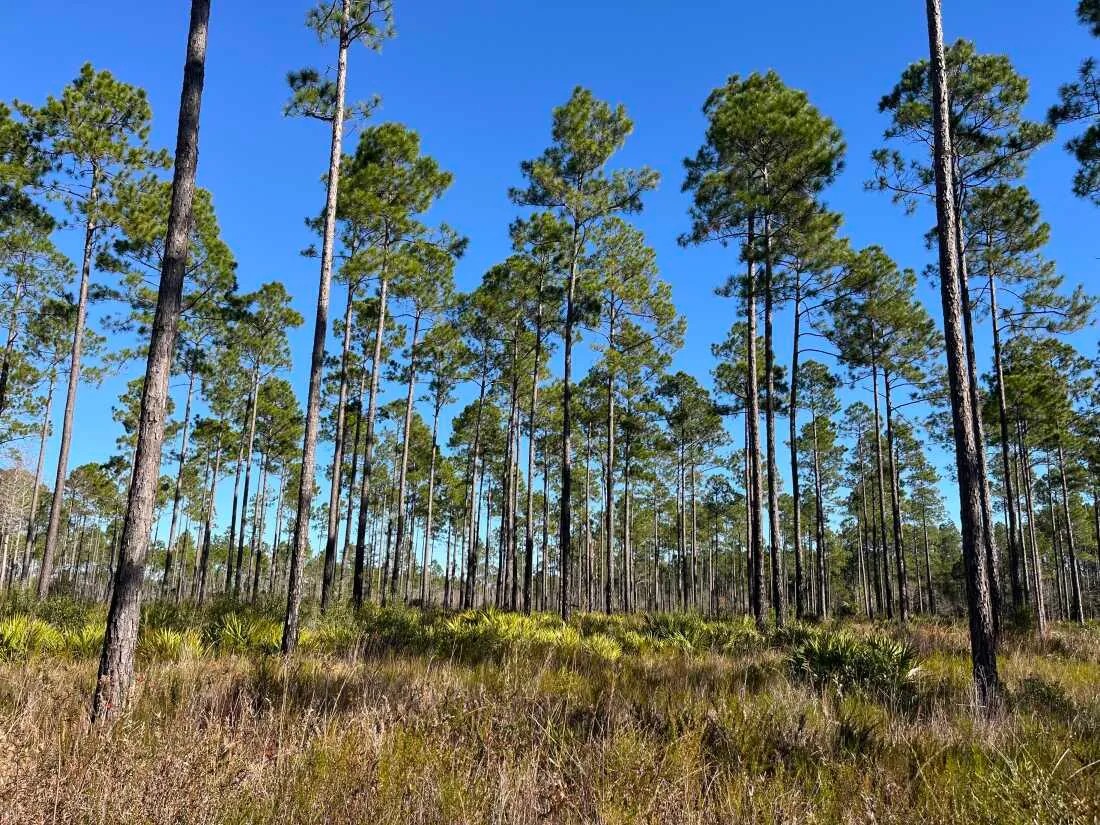
Historically, these forests covered vast areas. But large-scale logging, agriculture, new developments, and a century of fire suppression destroyed most of them. Today, only about 3% of longleaf pine forest remains. These scattered patches are where frosties, reticulateds, and other animals now cling.
Houston Chandler, science director for the Orianne Society, calls it "a globally imperiled ecosystem sitting on top of a global biodiversity hotspot."
Chandler works on Eglin Air Force Base, home to the largest remaining old-growth longleaf pine forest. He improves habitat for the reticulated flatwoods salamander by removing undergrowth and restoring wetlands. This hard work, often done in summer heat, requires constant upkeep. But it is working, with more sites now occupied by reticulated flatwoods salamanders.
Chandler noted that it took decades of fire suppression and poor habitat management to endanger these species. So, fixing it will not happen overnight.
Raising Salamanders in Captivity
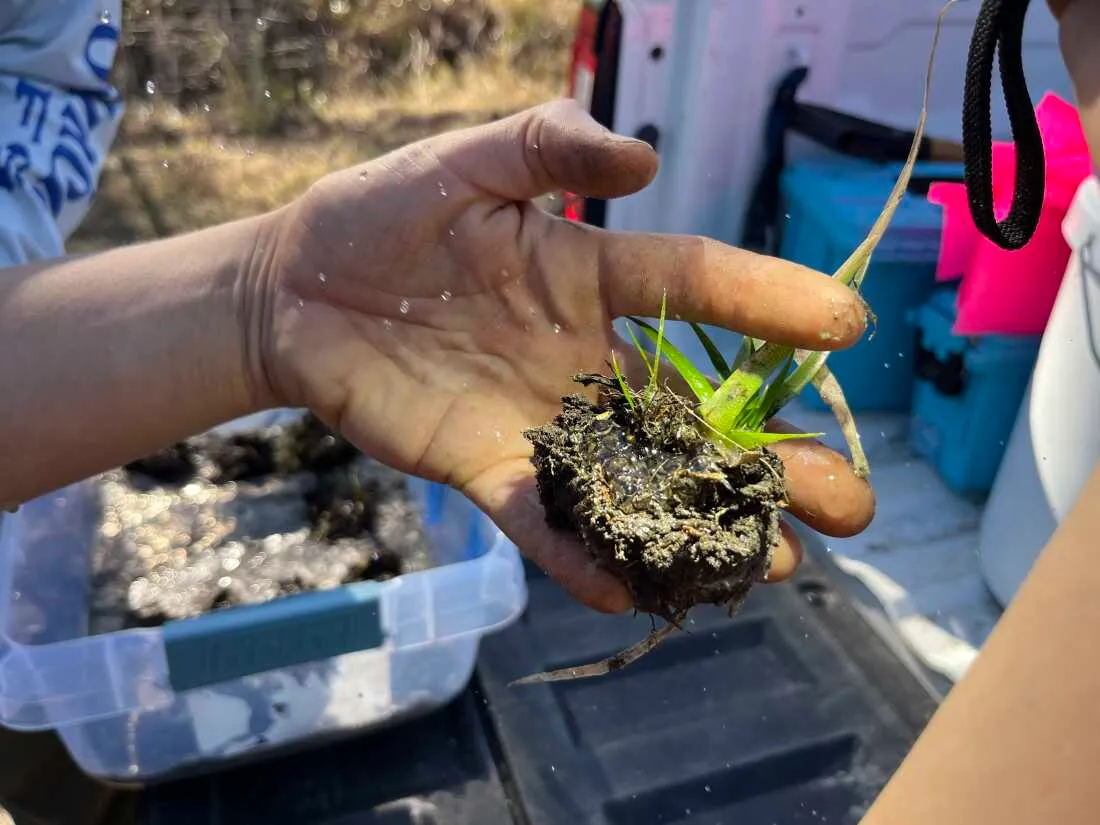
Dahrouge found a cluster of frosted flatwoods salamander eggs. They were a few weeks old, with tiny salamanders inside. She carefully scooped the patch of dirt with the eggs. In severe drought years, like the current one in the Southeast, they collect every egg cluster they find. This is called a "salvage."
To keep the eggs from drying, they are stored in plastic containers with damp earth. These are taken to a climate-controlled place.
This place is Dahrouge's backyard shed, originally built for woodworking. The eggs are stored until they are ready to hatch. Dahrouge constantly checks on them, calling herself a "helicopter parent."
Next, the eggs move to cattle tanks in her backyard. Each tank is a small artificial wetland, or mesocosm, built with plants and water collected from the field. Dahrouge and her colleague, Matthew Goetz, also collect food. Weekly, they gather silty water samples filled with arthropods and other tiny creatures for the salamanders to eat. They spend hours removing predators like dragonfly larvae, which can eat salamander larvae.
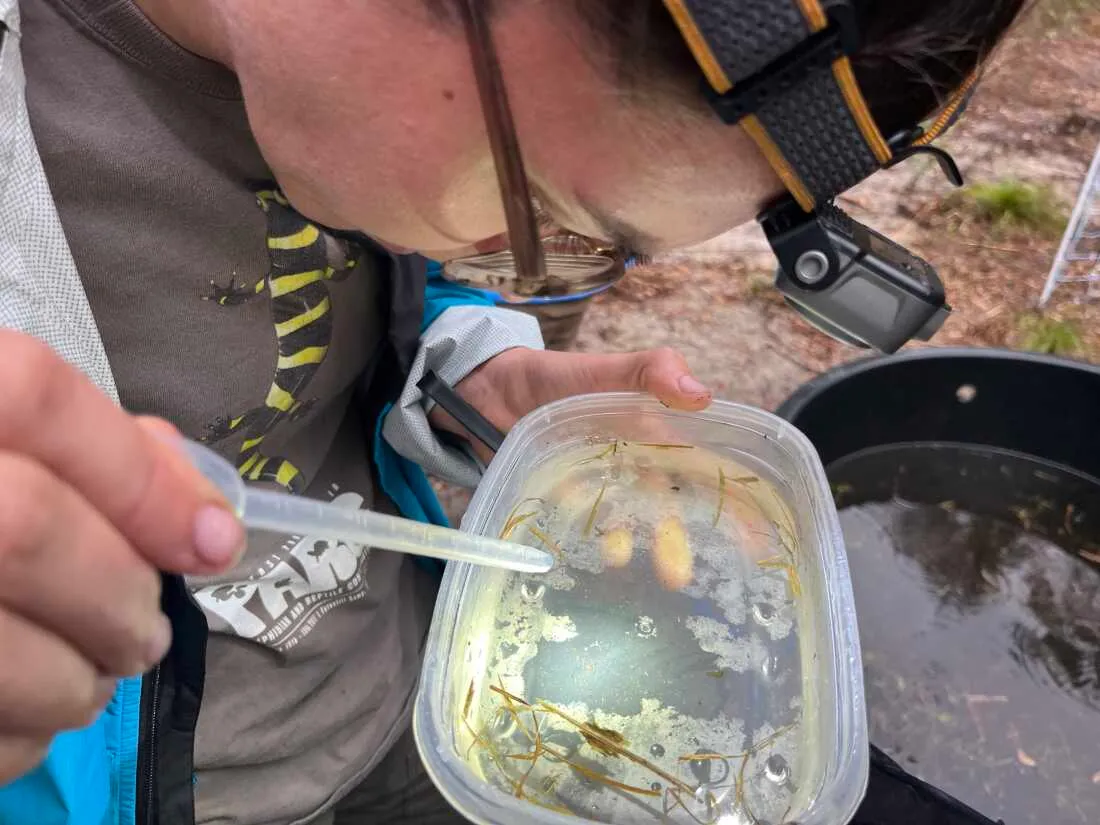
The goal is to raise many healthy larvae and salamanders to release back into their original wetlands or to boost other populations. This technique is called headstarting. It was used to save the California condor and is used for many endangered species.
Carola Haas, an ecologist at Virginia Tech, said headstarting can be "hugely powerful to keep a cohort alive." However, she noted that raising animals in tanks might select for traits that do not help them survive in the wild. She believes conservation efforts should focus on restoring habitats. "If the habitat restoration doesn't happen, nothing can persist," she said.
Currently, frosted flatwoods salamanders are only found in four areas. Some populations are isolated, risking inbreeding. All are vulnerable to hurricanes, disease, or drought.
Apodaca believes that with so little habitat and so few frosties left, habitat preservation and restoration alone will not prevent their extinction. He said, "In my opinion, there's zero chance this species makes it out and naturally recovers itself if we just fix the habitat." He believes this is true for many other endangered amphibians and reptiles.
Apodaca calls for a new era of conservation, "the age of implementation." He said, "We've got to do a lot more direct species interaction."
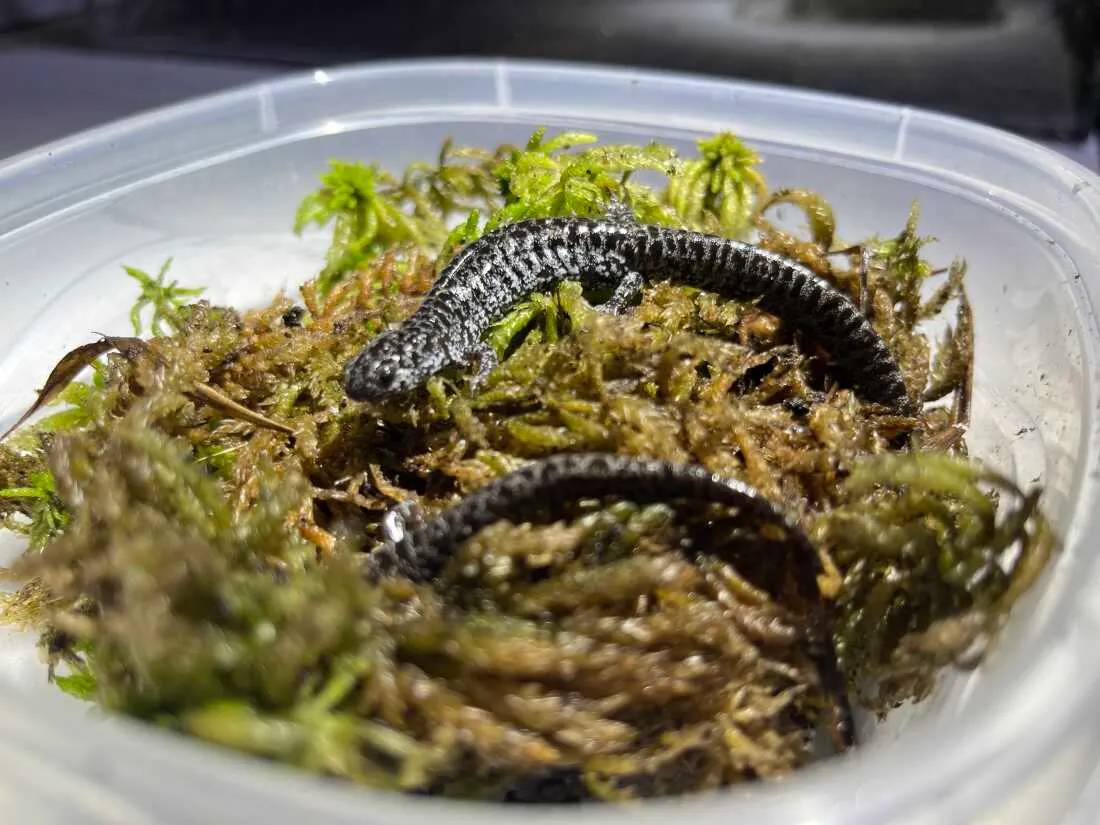
In her shed, Dahrouge held a female frosted flatwoods salamander. She lives in a "bog garden" built by Dahrouge and Goetz, where they hope to encourage captive breeding. All captive adults are named after stars because the white flecks on their stomachs resemble constellations. Andromeda is one of her favorites.
Dahrouge said, "Ninety-nine percent of the people in the world will never see this animal. And I wish that everyone could because they're just so infinitely worth knowing."
Deep Dive & References: The Extinction Vortex - Wheaton College Global warming speeding up - NPR, 2026 Frosted Flatwoods Salamander (Ambystoma cingulatum) 5-Year Review: Summary and Evaluation - U.S. Fish and Wildlife Service, 2019 Administration Revises Endangered Species Act Regulations to Strengthen Certainty - U.S. Department of the Interior Longleaf Pine - National Park Service U.S. Drought Monitor - University of Nebraska-Lincoln