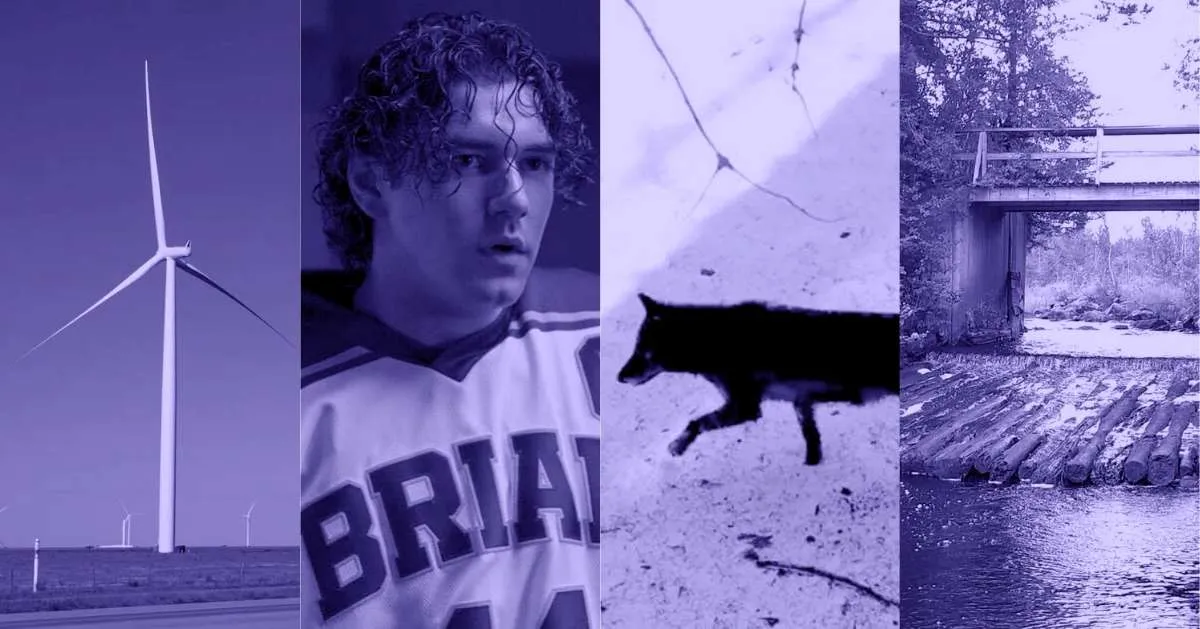
A gray wolf just sashayed into Sequoia National Park for the first time in over a century. Let that sink in. This isn't just any wolf; it's a trailblazer who trekked hundreds of miles across California, marking a quiet, furry return for a species that was effectively kicked out in 1924 for, well, being wolves around livestock.
Now, these "pioneering individuals" are protected, but their comeback isn't without its own drama. Some Northern California communities are already bracing for wolf activity, proving that even a century can't entirely erase old habits or anxieties.
Good News You Can Actually Use
Meanwhile, across the globe, humanity seems to be collectively getting its act together. Teenage pregnancy rates have plummeted by over a third worldwide since 2000, with some regions seeing drops of more than 75%. Even better, birth rates for girls aged 10-14, where health risks are highest, are also down. Apparently, progress isn't just for the adults.
We're a new kind of news feed.
Regular news is designed to drain you. We're a non-profit built to restore you. Every story we publish is scored for impact, progress, and hope.
Start Your News DetoxChildhood stunting, that grim consequence of malnutrition, is also on the decline. Since the 19th century, a whopping 122 countries have improved. Japan, which once saw 70% of its children stunted in the early 1900s, now boasts a mere 5%. Turns out, better food, clean water, and kicking diseases like hookworm to the curb actually work.
Europe, not to be outdone, is literally dismantling its past. Last year, 602 dams were taken down, an 11% increase from the year before. That's 2,324 miles of rivers reconnected, with a goal of 15,500 miles by 2030. Because apparently, giving rivers back their freedom is good for everyone.
And for those keeping an eye on the home front, America's largest cities are seeing violent crime rates drop like a stone. Homicides are down 17.7%, robberies 20.4%, and even aggravated assaults fell by 4.8%. Washington D.C., Philadelphia, and Memphis saw some of the biggest dips, proving that good news can happen even where you least expect it.
Big Energy, Small Footprints
Speaking of big moves, the SunZia wind project in New Mexico, the U.S.'s largest clean energy installation, is about to hum to life. It's set to power a million homes annually via a 550-mile transmission line to Arizona. A major step for clean energy, despite all the usual bureaucratic headwinds. It’ll provide clean electricity, reduce strain during peak demand, lessen reliance on fossil fuels, and help stabilize prices.
Even Texas, a state practically synonymous with oil, is getting in on the act. This year, no new coal plants will be built, and the Lone Star State is now building more solar power than any other U.S. state. Federal projections say solar will surpass coal on the Texas grid for the first time ever in 2026. Because apparently, even Texas knows a good thing when it sees it.
And a Few More Things to Make You Smile
Stephen Colbert's "Late Show" charity auction pulled in nearly $2.5 million for World Central Kitchen. Scientists used DNA from animal poop to help save the world's rarest marsupial (because science finds a way). A new app in Seattle helps people find little free food pantries. Colorado is shrinking its prison population, and Australia created a "living bank" to protect at-risk marine life. The USPS is even reissuing beloved Mister Rogers Neighborhood stamps after they won an "encore contest." Because who doesn't need a little more Mr. Rogers?
A GoFundMe raised $1 million for veterans across all 50 states. A new whale detection network in San Francisco alerts ships to protect our big ocean friends. A new drug might slow, or even reverse, a rare form of ALS. Scientists found a "molecular goldmine" in coral reefs for new medicines. An autonomous reef robot uses underwater microphones to map marine life. And a guaranteed income program for Black mothers in Mississippi is making 82% of participants more hopeful about their children's futures. That's a lot of good, right there.
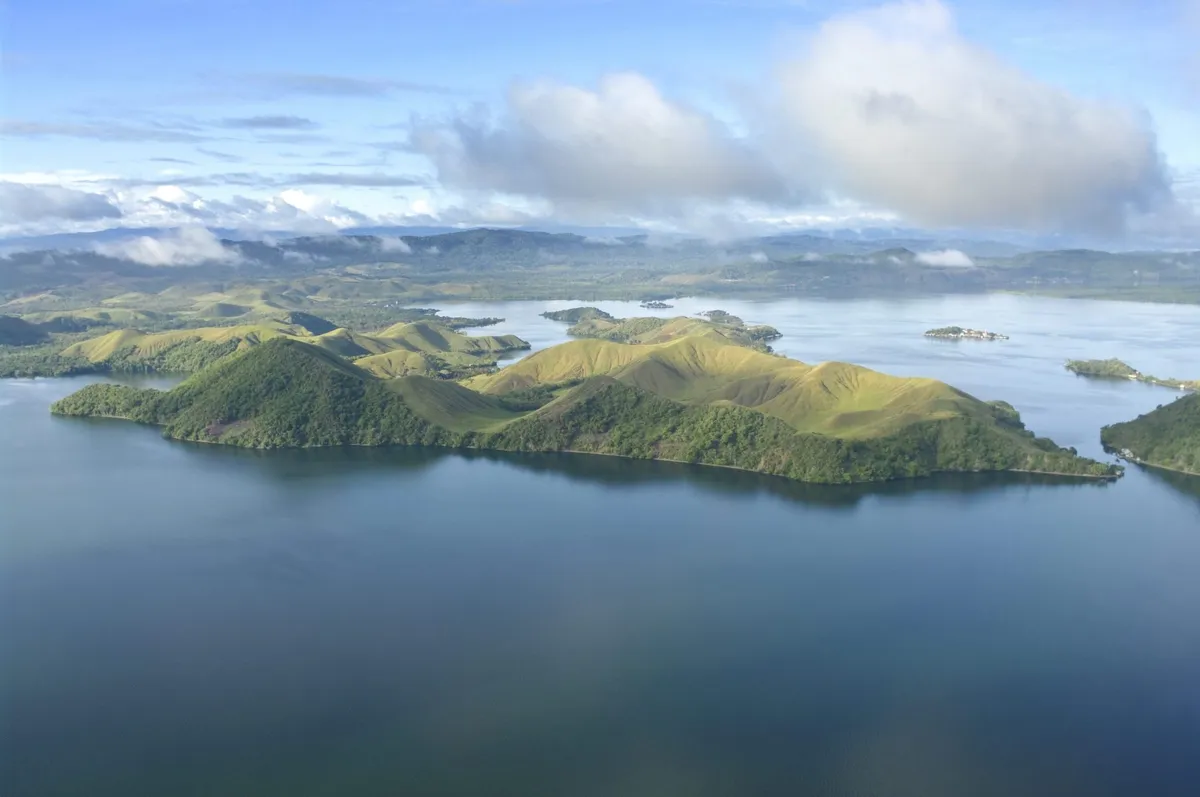
Oh, and conservationists are celebrating the birth of a rare wild horse, proving the species is no longer extinct. An Oregon city created a $1 billion clean energy fund for vulnerable residents. Scientists invented a new immunotherapy for cancer that can be given in under two minutes. The Oregon Symphony performed lullabies written by incarcerated and homeless parents. "Forever chemicals" in Canadian seabird eggs have dropped dramatically. A "dementia village" in Wisconsin is a tiny town built just for residents with memory loss, aiming to maintain their quality of life. Papua New Guinea announced its largest-ever marine protected area. And a new study found that beavers are turning rivers into powerful carbon sinks, storing carbon at rates up to ten times greater than other systems. So, next time you see a beaver, give it a nod. It's doing important work.