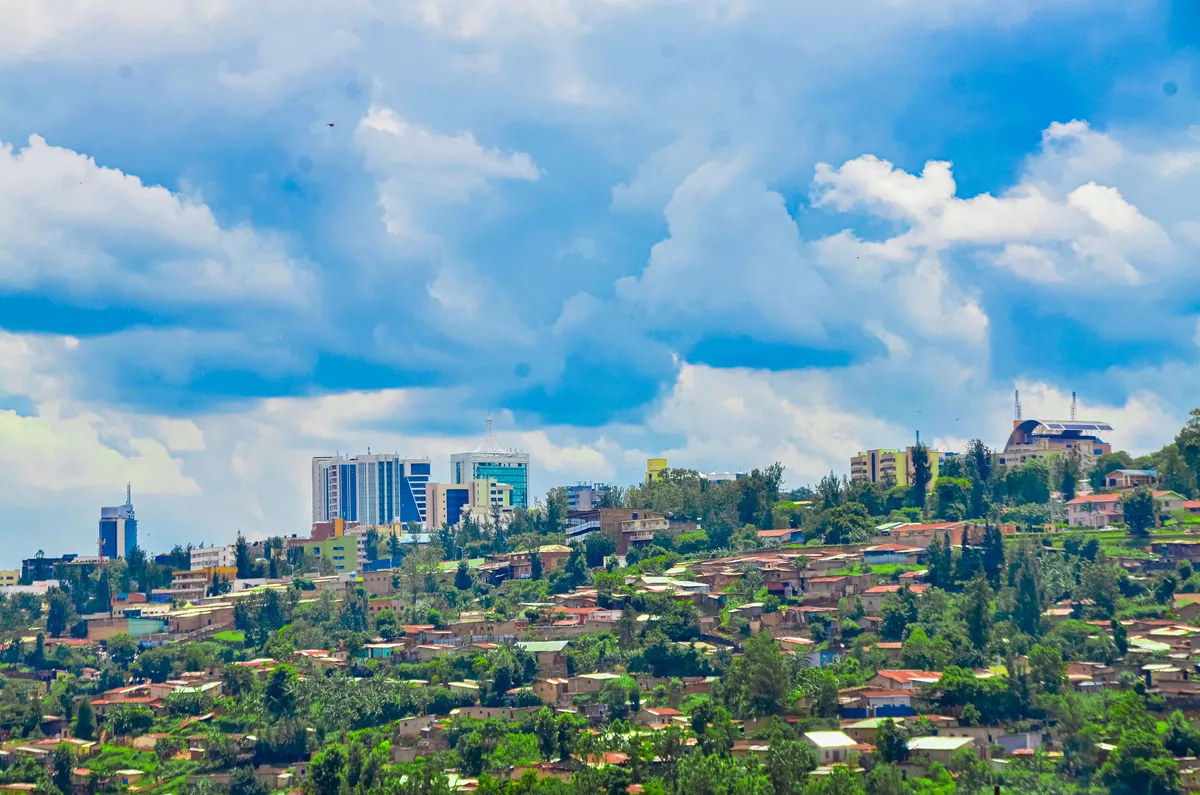
Africa's urban centers are feeling the heat, literally. More scorching days, sweltering nights, and relentless heatwaves are becoming the norm. Coastal cities? They're battling the double whammy of heavier rains and rising sea levels. It's a lot. But a new book suggests a surprisingly elegant — and ancient — solution: trees.
Urban Forests and Green Spaces in Africa isn't just a collection of pretty pictures; it’s a manual for survival. It packs 34 examples from 14 countries, all pointing to how strategically placed trees and green spaces aren't just nice-to-haves, but vital infrastructure. Think of it as nature's air conditioner, flood defense, and biodiversity haven, all rolled into one leafy package.

The projects are as diverse as the continent itself. There's Kigali, Rwanda, restoring its wetlands. Nairobi, Kenya, is busy planting dense native forests. Harare, Zimbabwe, is actively trying to cool its hottest zones. And then there’s the delicate art of relocating massive baobab trees in Senegal, because apparently that's where we are now. Even South Africa is getting in on the act, resurrecting degraded urban land.
We're a new kind of news feed.
Regular news is designed to drain you. We're a non-profit built to restore you. Every story we publish is scored for impact, progress, and hope.
Start Your News DetoxIt turns out, trees do a lot more than just look good and store carbon. They're cooling cities, managing floodwaters before they become disasters, and providing essential homes for local wildlife. Take Bahir Dar, Ethiopia: some of its main streets boast nearly 100% tree canopy cover, making it one of Africa's greenest cities. It’s a pretty convincing argument that sometimes, the best way forward is to look to the ground beneath our feet.