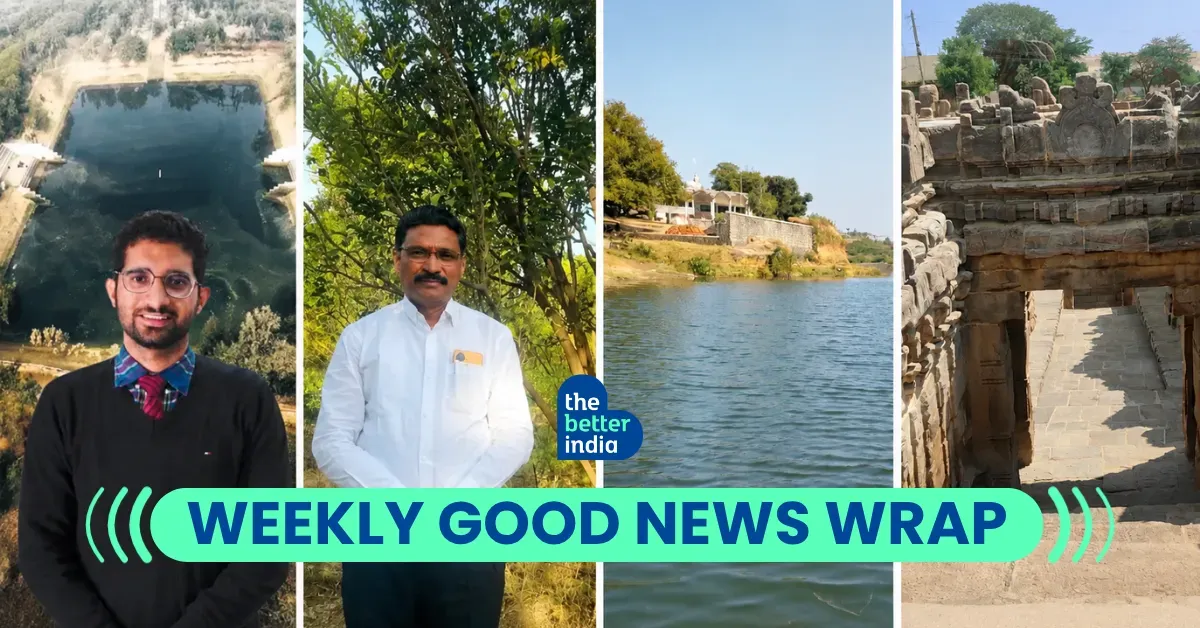
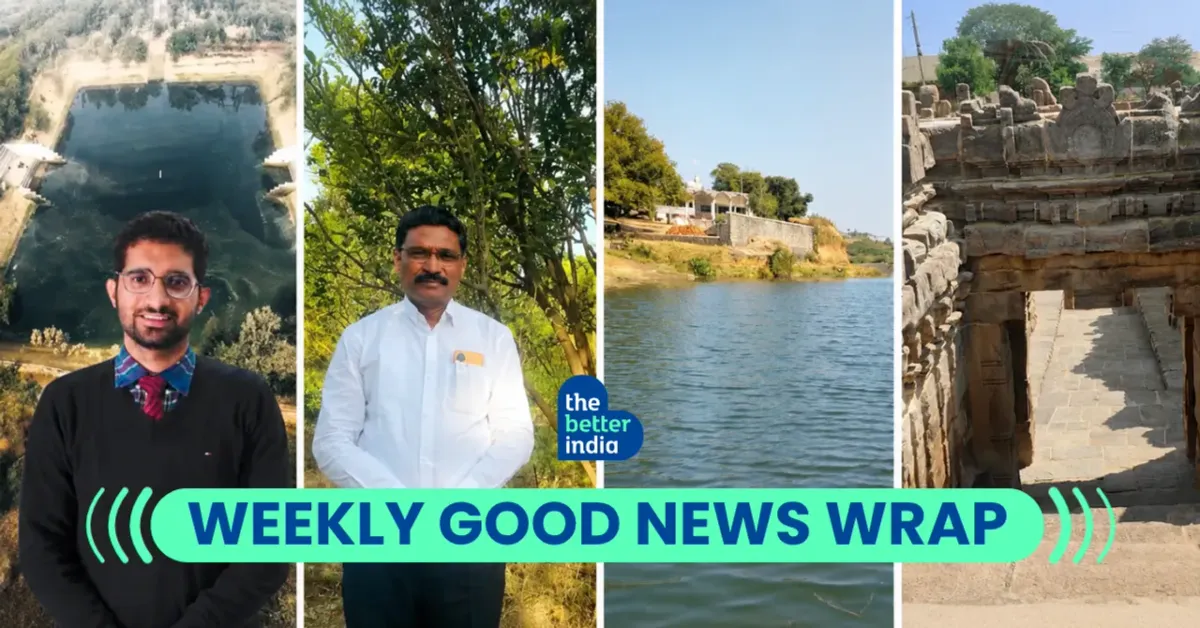
The monsoon is practically knocking on India's door, having already given the Andaman & Nicobar Islands an early, five-day surprise visit. Kerala is next on the list, and for many parts of the country, this isn't just rain — it's a lifeline. Delhi's Yamuna River is looking a bit parched, water treatment plants are running on fumes, and water tankers are practically a tourist attraction.
But while the headlines often scream about scarcity, a quiet revolution has been brewing. Across India, people have spent the last year doing something rather sensible: making sure that when the heavens open, there's somewhere for all that precious water to go.
The Bureaucrat Who Convinced Companies to Recharge
Varanasi, a city that knows a thing or two about history, was facing a very modern problem: a severe water shortage. Enter IAS officer Himanshu Nagpal. He noticed that while 700 borewells were being drilled annually, exactly zero water was being put back into the ground. Companies were legally obligated to install rainwater harvesting systems but kept claiming a distinct lack of real estate. Nagpal's dryly brilliant solution? Put them on public buildings instead.
We're a new kind of news feed.
Regular news is designed to drain you. We're a non-profit built to restore you. Every story we publish is scored for impact, progress, and hope.
Start Your News DetoxSuddenly, over 1,000 schools, colleges, and hospitals became vital groundwater recharge points. They built 393 new ponds. They even redesigned 6,000 handpumps to actively push water underground. A 30-kilometer polluted river was brought back from the brink. The result? 39 villages now have their water supply restored, all thanks to a simple redirect, not some futuristic tech.
The Farmer Who Built His Own Dams
Out in Vidarbha, citrus farmer Amol Langote has been quietly waging his own one-man war against drought since 2018. Every year, he builds two to four check dams on the Purna River, funded entirely from his own pocket. We're talking Rs 50,000–60,000 a pop. When a fungal disease slashed his income from a healthy Rs 35 lakh to a lean Rs 8 lakh, he didn't stop. He just redirected funds he'd usually spend on cultural celebrations to his dams instead. Because priorities.
These dams do the simple but crucial job of slowing the river, allowing water to actually seep into the aquifer below. Six nearby villages now have a more stable water supply than they've seen in years. Let that sink in.
Karnataka's Ancient Stepwell Rises Again
In Sudi, Karnataka, a flight of sandstone stairs now descends into the 11th-century Nagakunda stepwell. Built by the Kalyani Chalukyas, this architectural marvel had spent decades buried under roots and rubble, its intricate naga carvings and ancient groundwater recharge system completely forgotten. Which, if you think about it, is a bit like having a supercomputer hidden under your garden shed.
The Deccan Heritage Foundation, teaming up with Karnataka's Adopt a Monument scheme, painstakingly cleared the debris and reset the stones. They even restored the original percolation channels. So when the monsoon arrives this year, Nagakunda will do what it was designed to do a thousand years ago: slow down the rain and send it underground.
Ujjain's Officer Who Didn't Wait for Funds
On the outskirts of Ujjain, the 4.2-acre Yam Talaiya pond had been slowly silting up for years. This isn't just any pond; it's vital for a local temple, a deity, and the entire farming community. IAS officer Anshul Gupta decided it would be Madhya Pradesh's first Amrit Sarovar — a revived pond. And he didn't wait for the wheels of government funding to grind into action.
Instead, he roped in the Environmentalist Foundation of India and 125 volunteers. Eight months of desilting, reinforcing bunds, and clearing weeds later, the pond's capacity jumped by nearly a third, adding a whopping 22.8 million liters of water. Wildlife returned. The temple had its sacred pond back. And farmers had their water supply restored. Sometimes, you just need to get your hands dirty.