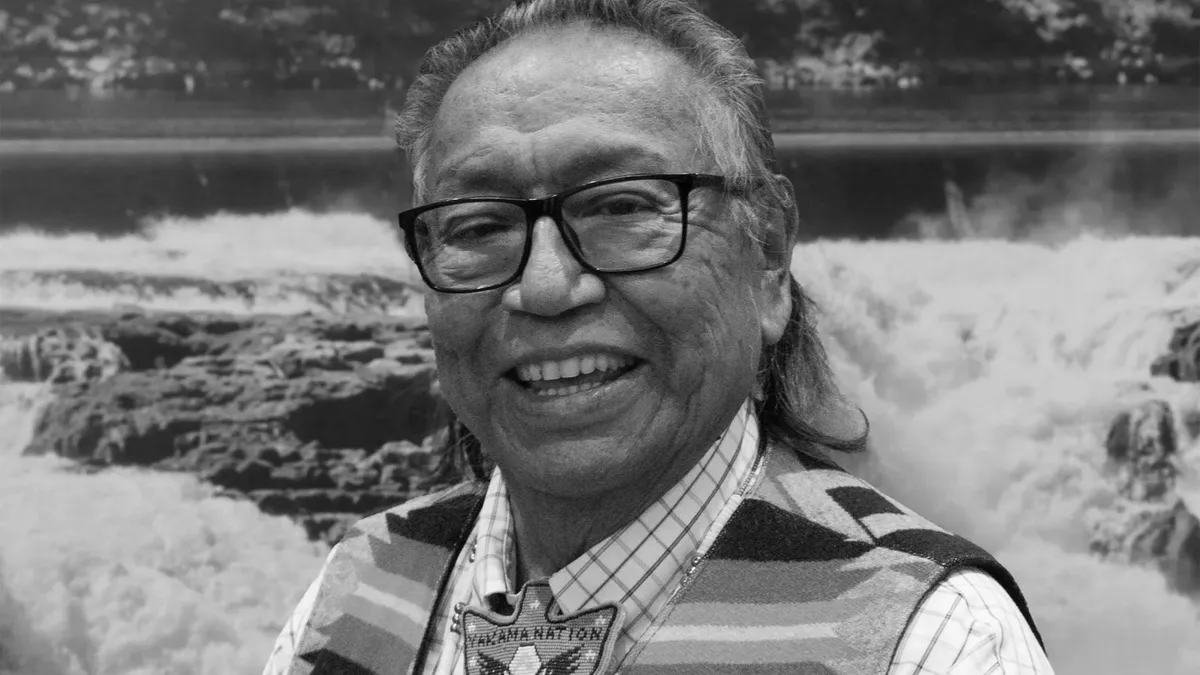
Some people see a river. Davis Washines, known to many as Yellowash, saw a sacred lifeline. For 74 years, this Yakama elder dedicated his existence to protecting the Columbia River and its iconic salmon, understanding that its health was inextricably linked to the well-being of his people. He passed away on May 1st, leaving behind a legacy as profound as the river he championed.
Yellowash wasn't just an advocate; he was a guardian. He viewed the toxic waste near Bradford Island — a traditional Yakama fishing spot right by the Bonneville Dam — not merely as pollution, but as a direct assault on the water, the salmon, and the very culture that relied on them. For government officials, it was a cleanup site. For the Yakama Nation, it was a treaty-protected breadbasket. The difference in perspective, as Yellowash showed, was everything.
A Life Woven with Purpose
His life was a remarkable tapestry of roles, blending law enforcement, ceremony, and relentless public service. Yellowash wasn't one to sit still. He served as the Yakama Tribal Police chief, and then, perhaps even more fittingly, as the Columbia River Inter-Tribal Fish Commission police chief. Because apparently, even fish sometimes need a good cop.
We're a new kind of news feed.
Regular news is designed to drain you. We're a non-profit built to restore you. Every story we publish is scored for impact, progress, and hope.
Start Your News DetoxHis influence stretched far and wide within the Yakama Nation. He sat on the Tribal Council, chaired the General Council, and acted as a crucial government relations liaison for the Department of Natural Resources. Trustee, board chair, counselor, teacher, ceremonial leader — the man collected titles like most people collect stamps, each one a testament to his unwavering commitment.
Yellowash’s public service career kicked off in 1973 with the Yakama Tribal Police, where he eventually became chief in '86, later returning to the post. His work wasn't just about upholding laws; it was about honoring traditions and ensuring justice for a river and a people who deserved nothing less. And if that's not a life well-lived, what is?