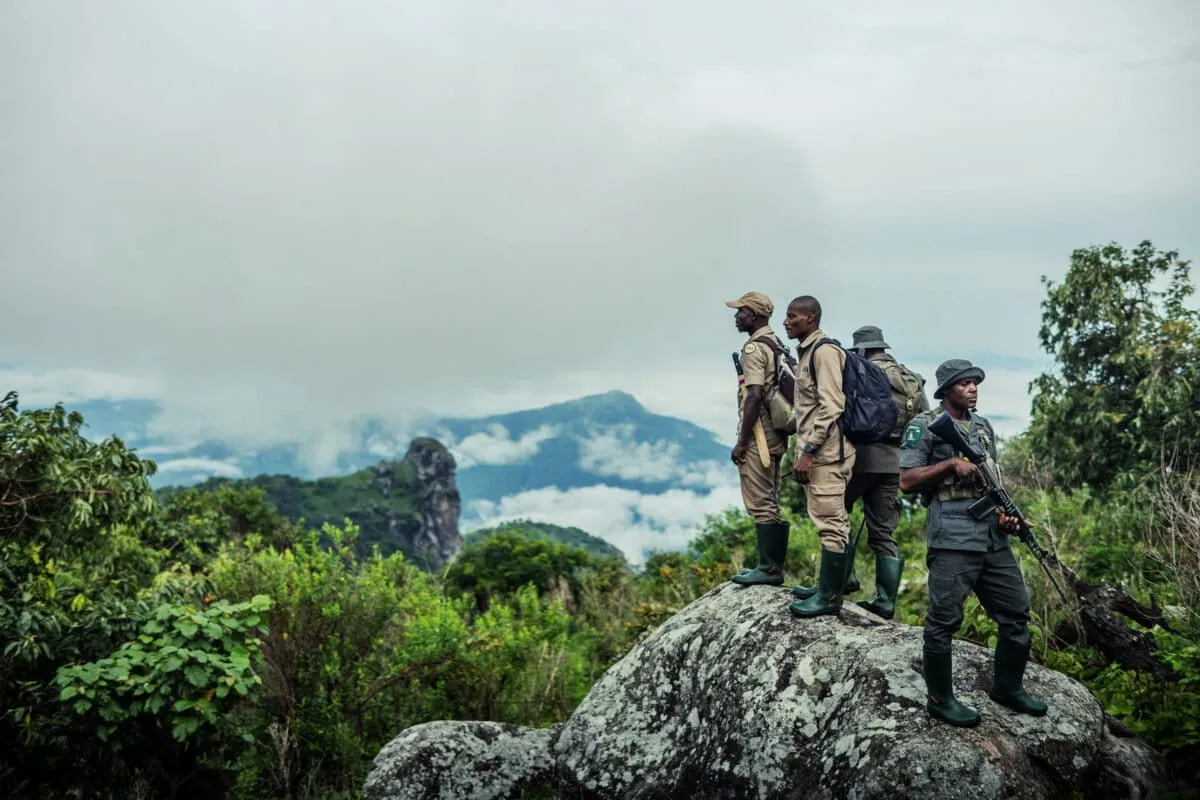
For nearly a decade, the world's rarest chimpanzee subspecies — the Nigeria–Cameroon chimpanzee — was, for all intents and purposes, off the grid. Their home, Nigeria's Gashaka Gumti National Park, had become a no-go zone. Scientists packed up by 2018, park rangers followed suit, and the chimps were left to fend for themselves against poachers and bandits.
Imagine a research hub, once buzzing with activity, suddenly going silent. "All research stopped," noted conservationist Elisha Emmanuel. Research stations crumbled. It was a bleak picture for a species already teetering on the edge.
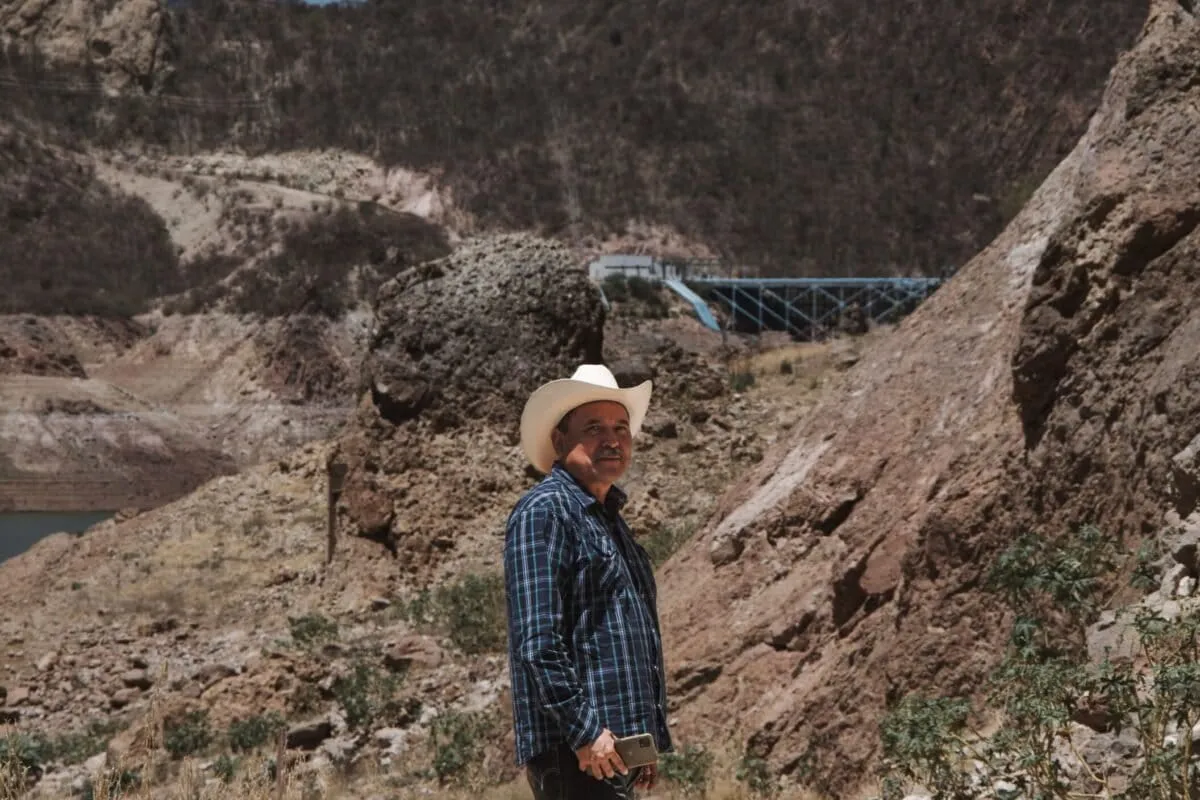
But here's where the story takes a turn, largely thanks to the kind of grit you only find in people deeply connected to their land. While the experts fled, local research assistants like Maigari, who grew up in a nearby village, held their ground. "It's our bush," he said. "If they want to kill me, they will kill me because the chimps are my friends." Let that sink in for a moment.
We're a new kind of news feed.
Regular news is designed to drain you. We're a non-profit built to restore you. Every story we publish is scored for impact, progress, and hope.
Start Your News DetoxThen, a lifeline. In 2018, the Nigerian government teamed up with the Africa Nature Investors Foundation (ANI). This local nonprofit didn't just talk a good game; they trained and hired over 180 new rangers. Emmanuel confirms the park is now significantly safer, allowing science to slowly, cautiously, restart.
For Maigari and his fellow field assistants, this means getting back to the painstaking work of tracking and observing. The first big move? A massive camera-trap survey, with researchers now deploying a new helicopter to strategically place those all-important eyes in the sky. Because sometimes, the most profound conservation stories aren't about grand scientific breakthroughs, but about the quiet, determined bravery of those who refuse to abandon their wild neighbors.