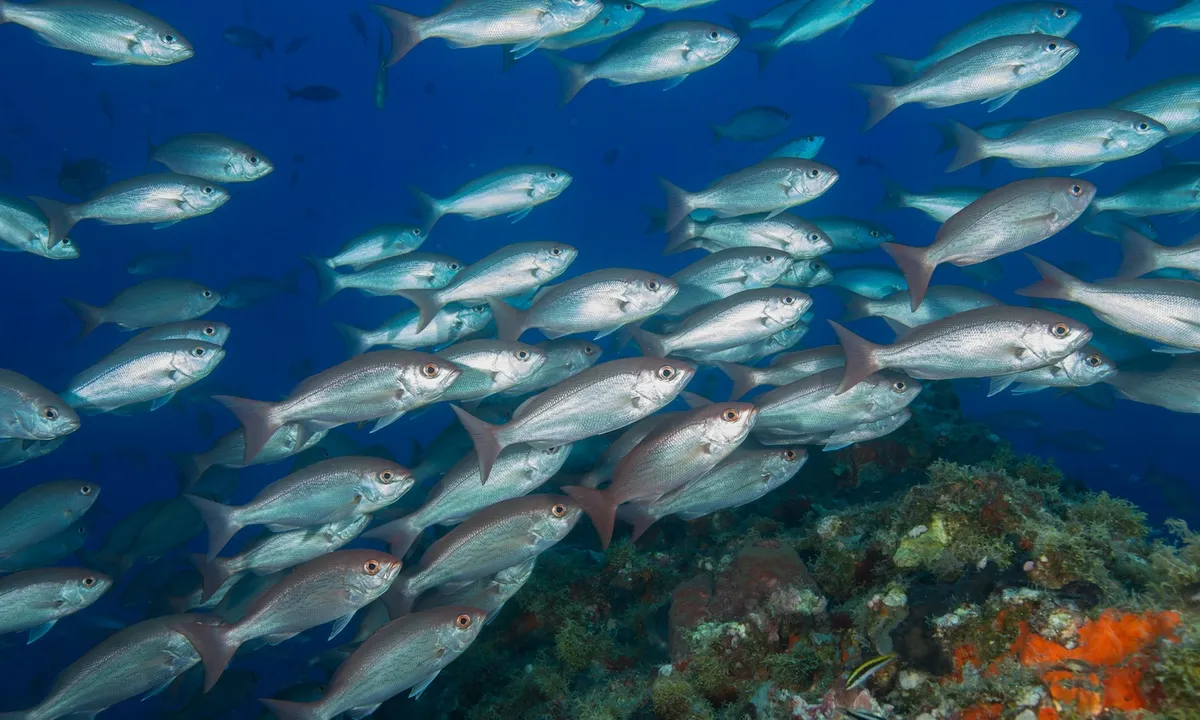
Turns out, the fight for good food isn't just happening on land. While we're all busy debating organic kale and farm-to-table ethics, a similar, equally intense battle is brewing beneath the waves. The North American Marine Alliance (NAMA) is on a mission to stop corporate giants from gobbling up our fisheries and turning the ocean into just another factory floor.
Niaz Dorry, NAMA's Coordinating Director, points out that the same old story is playing out in our oceans as it has on land: everything from fishing rights to the very water itself is being commodified, snatched up, and turned into profit centers for a select few.
The Catch-22 of Corporate Seafood
Imagine Cargill and ConAgra, but for fish. That's the future Dorry warns against. He sees a world where a handful of massive companies increasingly control food production, extending their reach into fish farming. Their goal? Maximize output, minimize cost, and ship it all off to global markets, often leaving local communities and the health of the ecosystem in their wake. Because apparently, that's where we are now.
We're a new kind of news feed.
Regular news is designed to drain you. We're a non-profit built to restore you. Every story we publish is scored for impact, progress, and hope.
Start Your News DetoxNAMA, however, believes we can flip the script. Dorry argues that if people regain control over their resources — be it seeds, land, or fishing rights — the world can absolutely feed itself. It’s about rebuilding those regional food systems, ensuring that access to good, healthy food isn't just a luxury.
They're not just talking, either. NAMA is a key player in the rather aptly named "Don't Cage Our Oceans" campaign, which is battling large-scale offshore fish farming in the U.S. Because, you know, some things shouldn't be caged.
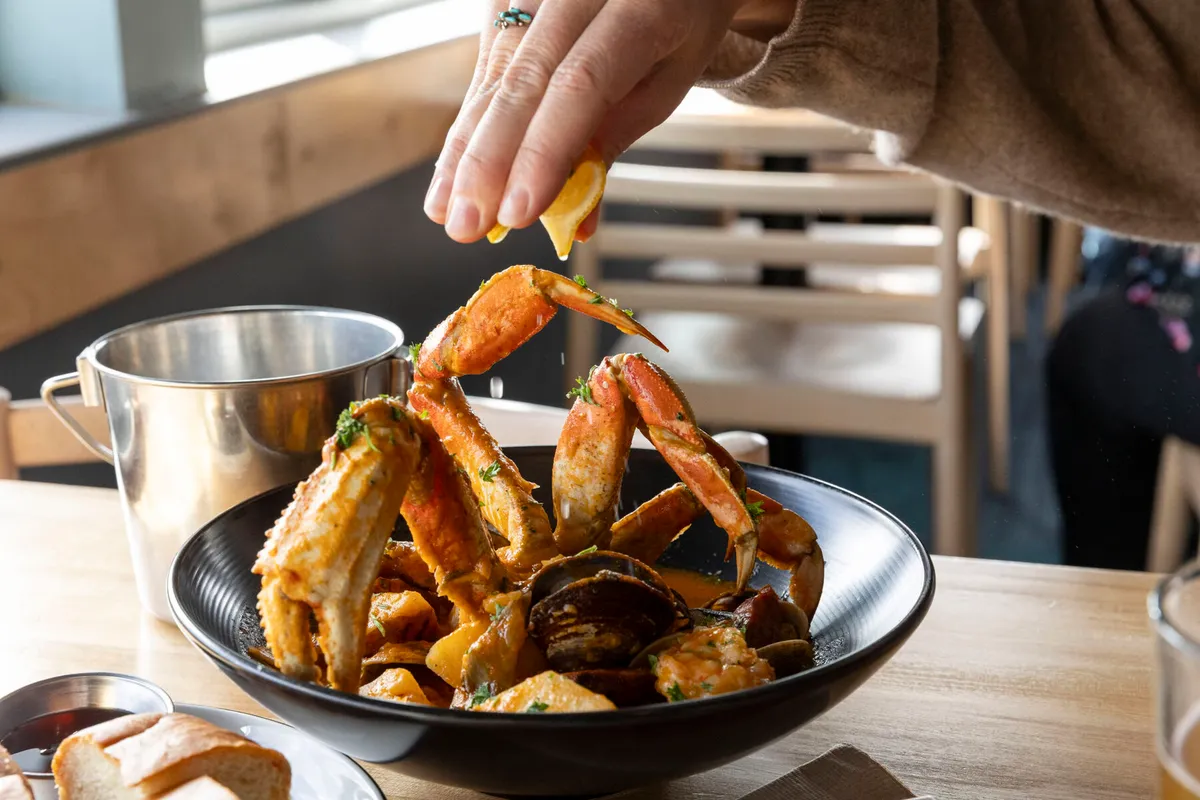
They also spearhead the Catch Share Reform Coalition, pushing for policies that actually benefit small-scale fishers. And they helped pioneer the Community-Supported Fisheries (CSF) model, a brilliant system that lets local fishers earn a fair wage and gets fresh, local seafood directly into the hands of nearby communities. Think CSA, but for the stuff that swims.
Ultimately, Dorry says it boils down to one thing: a truly democratic system. One where policies are, in a radical concept, "for the people, by the people." Which, if you think about it, is both impressive and slightly terrifying that we even need to fight for it.