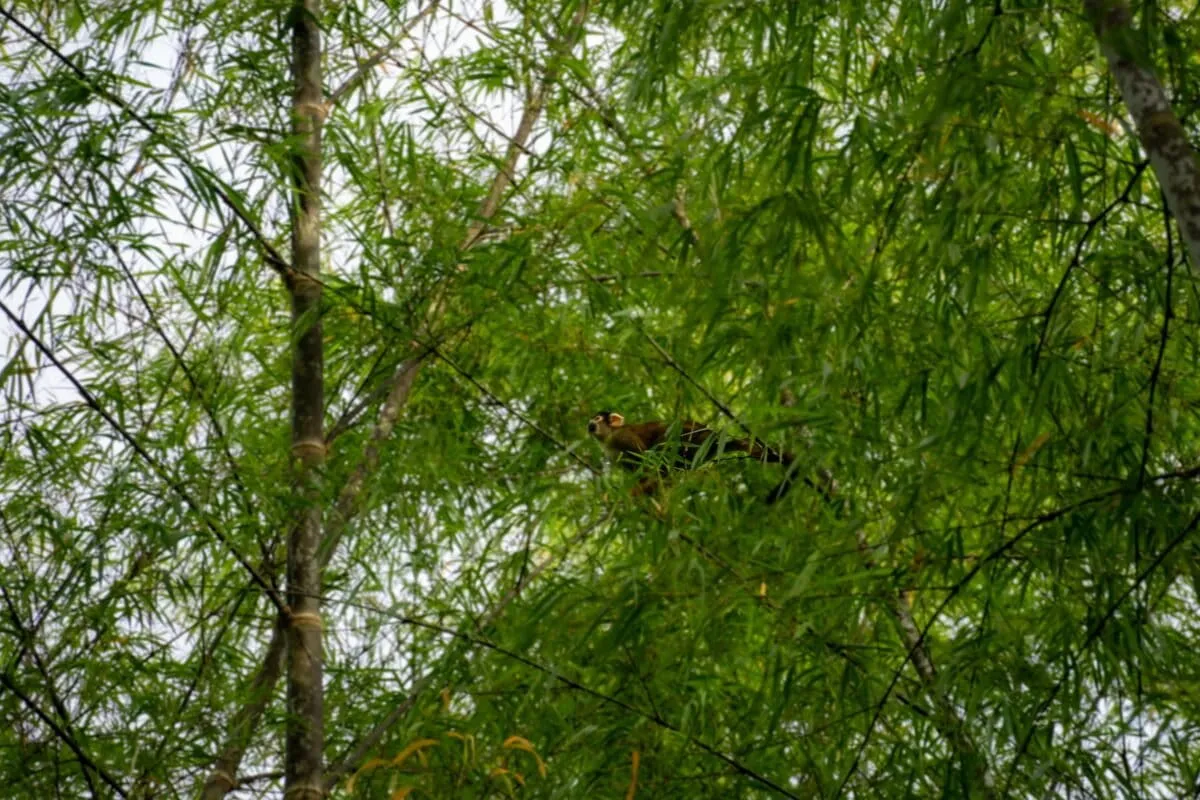
In a corner of Peru known more for illicit crops than natural beauty, something unexpected is happening. Children in Pichari are gathering to watch monkeys swing through the trees. Monkeys. In the Valley of the Rivers Apurímac, Ene and Mantaro (VRAEM), that's like seeing a unicorn ordering a latte. This region, sadly famous for the deforestation driven by illegal coca farming, is getting a surprising green makeover.
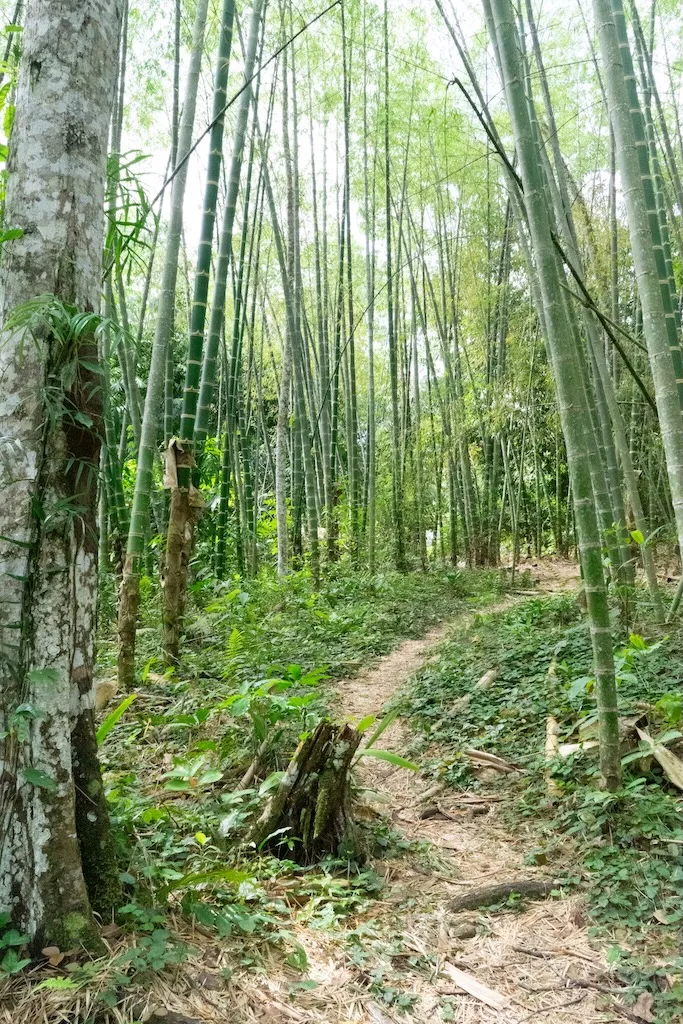
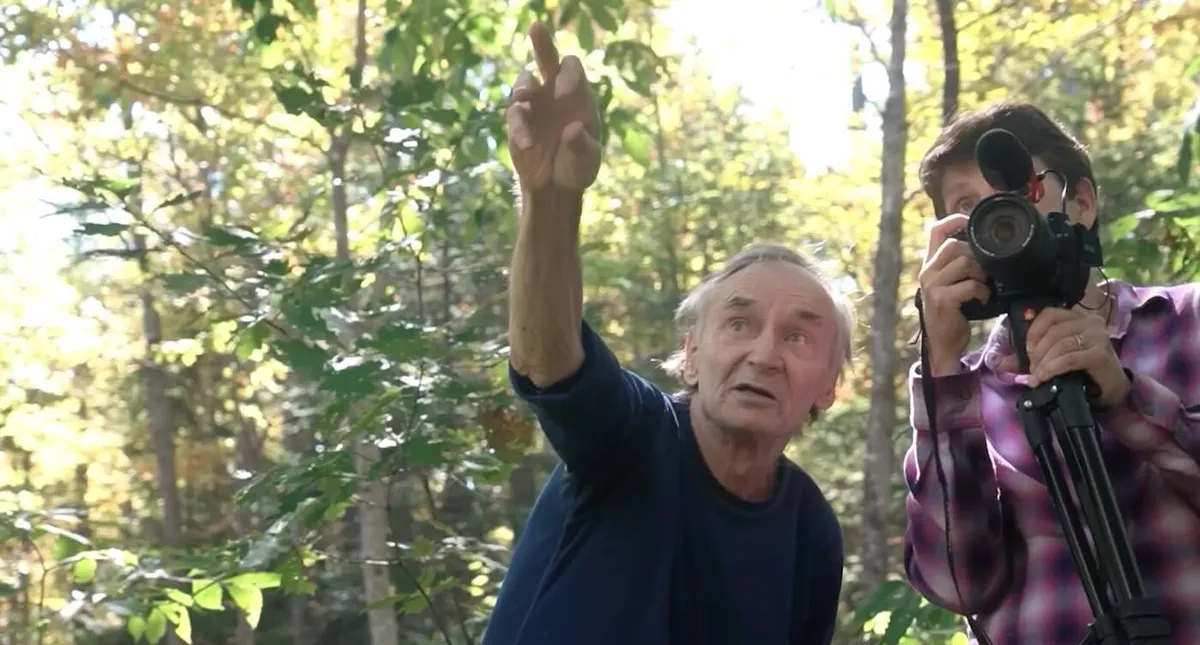
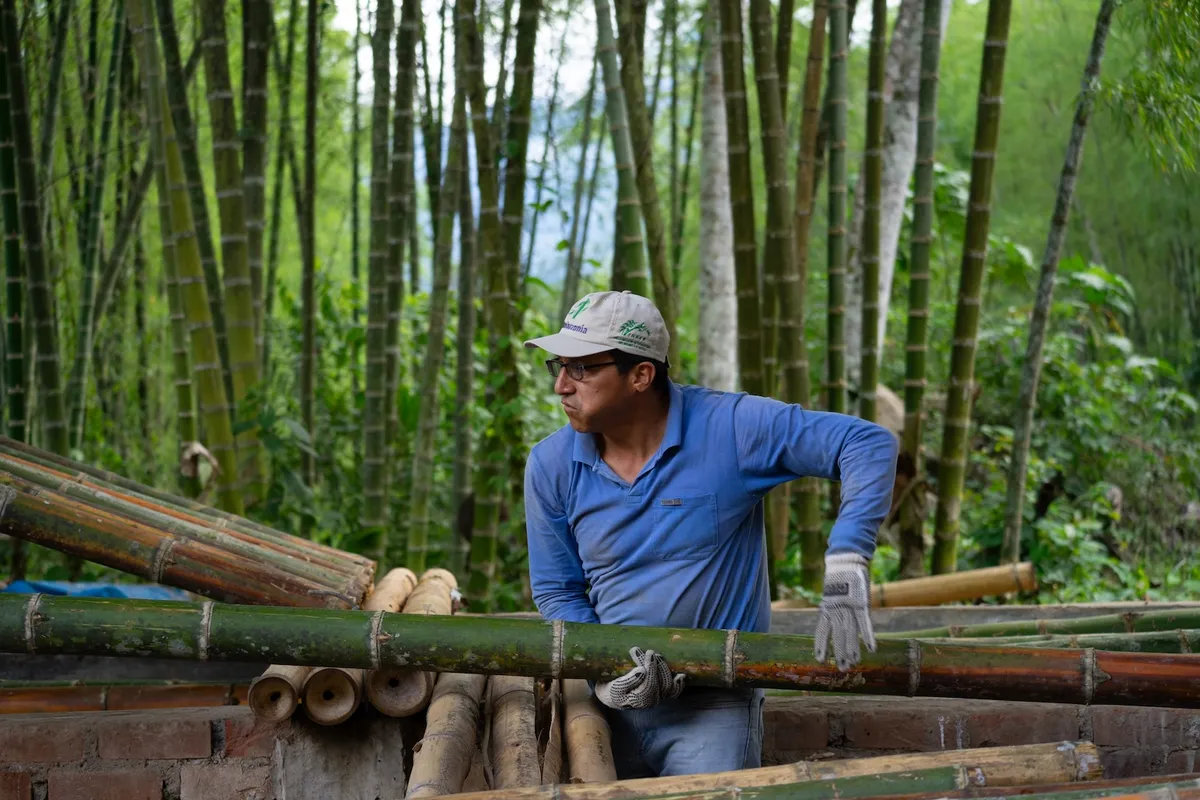
Meet Yuri Paredes, the man behind this particular monkey-magnet. He's cultivated a 6-hectare (15-acre) bamboo forest near Pichari, the region's main city. His efforts are proof that sometimes, all it takes is a bit of strategic planting to coax nature back from the brink.
The Bamboo Offensive
For decades, coca cultivation has been the villain of VRAEM, tearing down primary forests and sucking the life out of the soil. But now, Peruvian authorities are rolling out a new strategy: bamboo. They're betting that this fast-growing giant grass can not only restore ecosystems and bring back the local wildlife but also offer farmers a legitimate, much-needed income stream. Because apparently, that's where we are now: bamboo vs. coca, in a high-stakes ecological showdown.
We're a new kind of news feed.
Regular news is designed to drain you. We're a non-profit built to restore you. Every story we publish is scored for impact, progress, and hope.
Start Your News DetoxIn 2023, the Ministry of Agriculture's PROVRAEM initiative launched the Bamboo Sustainable Development Project. The goal? To support over 2,400 farming families and build an entire bamboo industry from the ground up. It's an ambitious plan, to say the least.
So far, PROVRAEM has poured about 16.7 million soles ($4.9 million) into the effort, resulting in nearly 1,300 hectares (about 3,200 acres) of bamboo planted. And they're not stopping there, with plans to continue the project for at least three more years. The idea of bamboo as an economic powerhouse might sound a little wild, but if it means more monkeys and fewer illicit fields, it's a gamble worth watching.