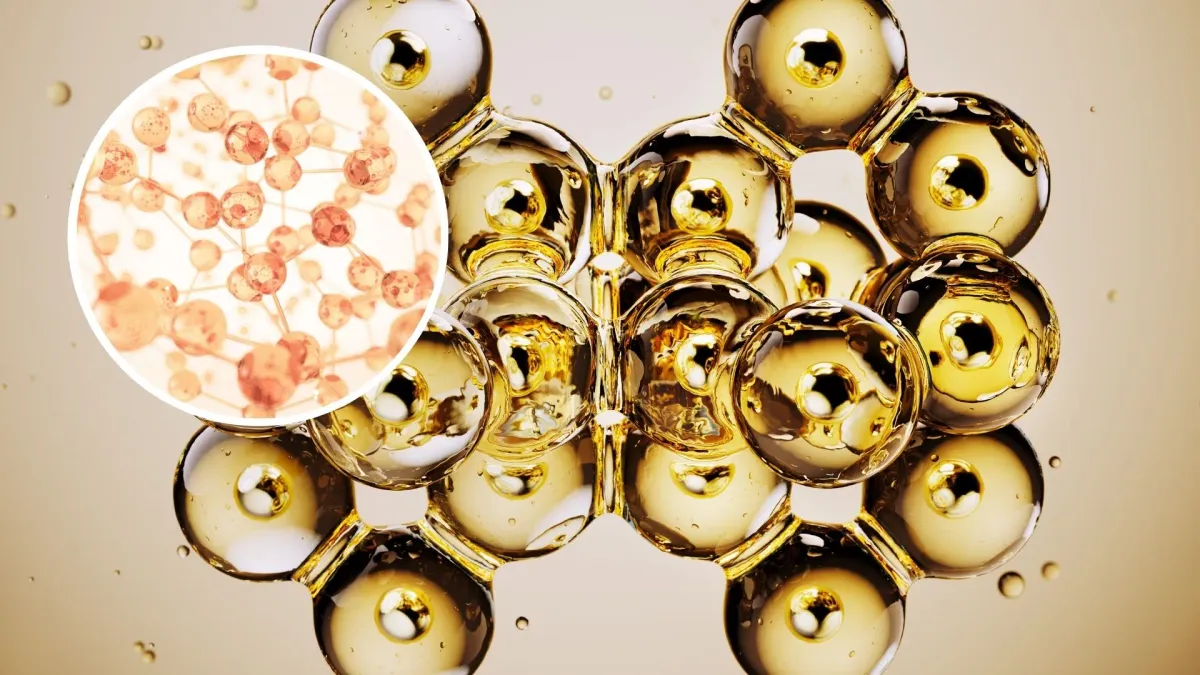
Turns out, sometimes the best way to speed things up is to pump the brakes. Japanese scientists have been tinkering with tiny “nanoreactors” and discovered a counter-intuitive secret to making chemical reactions more efficient: let the molecules take their sweet time.
For ages, the logic was simple: more molecules, faster to the catalyst, quicker reaction. But new research from Tohoku University flips that script entirely. They’ve found that by slowing the entry of molecules into these microscopic catalyst-filled shells, the reactions actually perform better. Which, if you think about it, is both impressive and slightly terrifying for anyone who's ever tried to rush a project.
The Art of the Nanoscale Traffic Jam
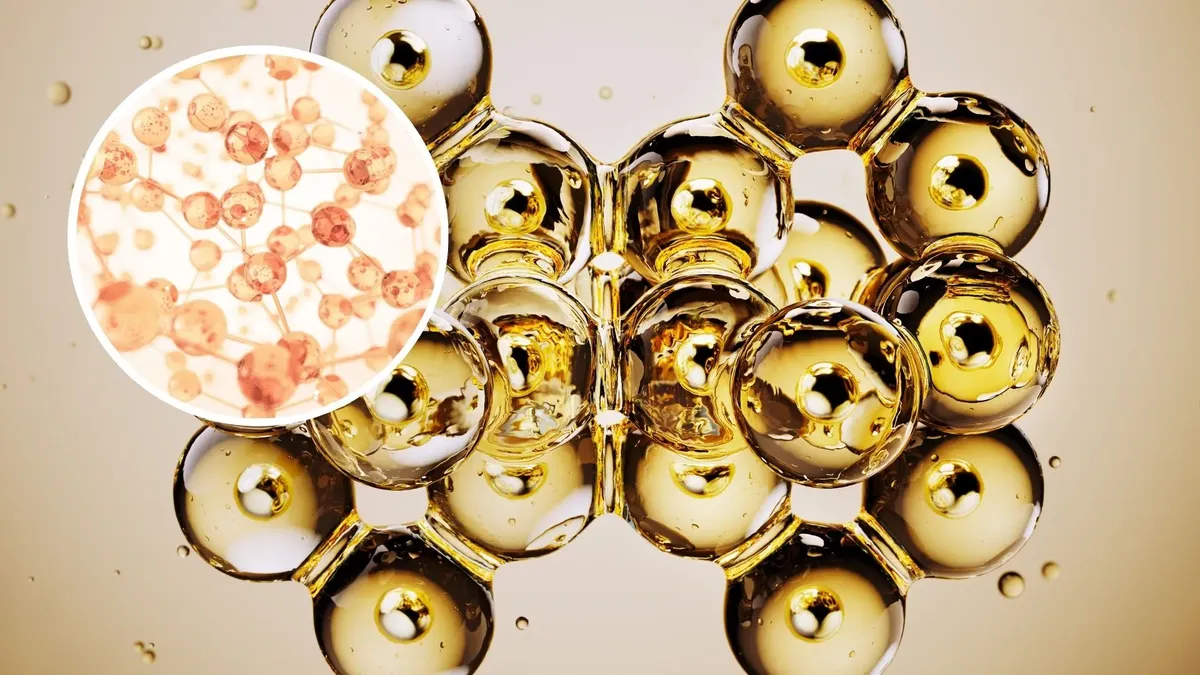
Imagine a tiny, molecular-level traffic jam. If too many reactant molecules flood into the nanoreactor at once, they essentially clog up the active spots on the catalyst. It’s like trying to get 50 cars onto a two-lane road simultaneously — chaos, and not much progress. By gently limiting the flow, the catalyst can work steadily, without getting overwhelmed or running out of materials. It's about balance, not brute force.
We're a new kind of news feed.
Regular news is designed to drain you. We're a non-profit built to restore you. Every story we publish is scored for impact, progress, and hope.
Start Your News DetoxKanako Watanabe from Tohoku University, one of the researchers, quite aptly compared it to traffic. More cars don't always mean faster travel; sometimes, they just mean more bottlenecks. The Chemical Engineering Journal study confirms that a controlled, slower flow is the real power move.
This discovery could seriously shake up how nanoreactors are designed. Instead of just maximizing reactant input, engineers can now focus on fine-tuning the shell structures to precisely control the flow. This isn't just about making things a little bit better; it could lead to catalysts that work much more efficiently, potentially using fewer expensive materials like precious metals.
So, it seems that in the world of nanoscale chemistry, patience isn't just a virtue; it's a performance-enhancing strategy. Who knew that slowing down could be the key to unlocking faster, more efficient chemical reactions?