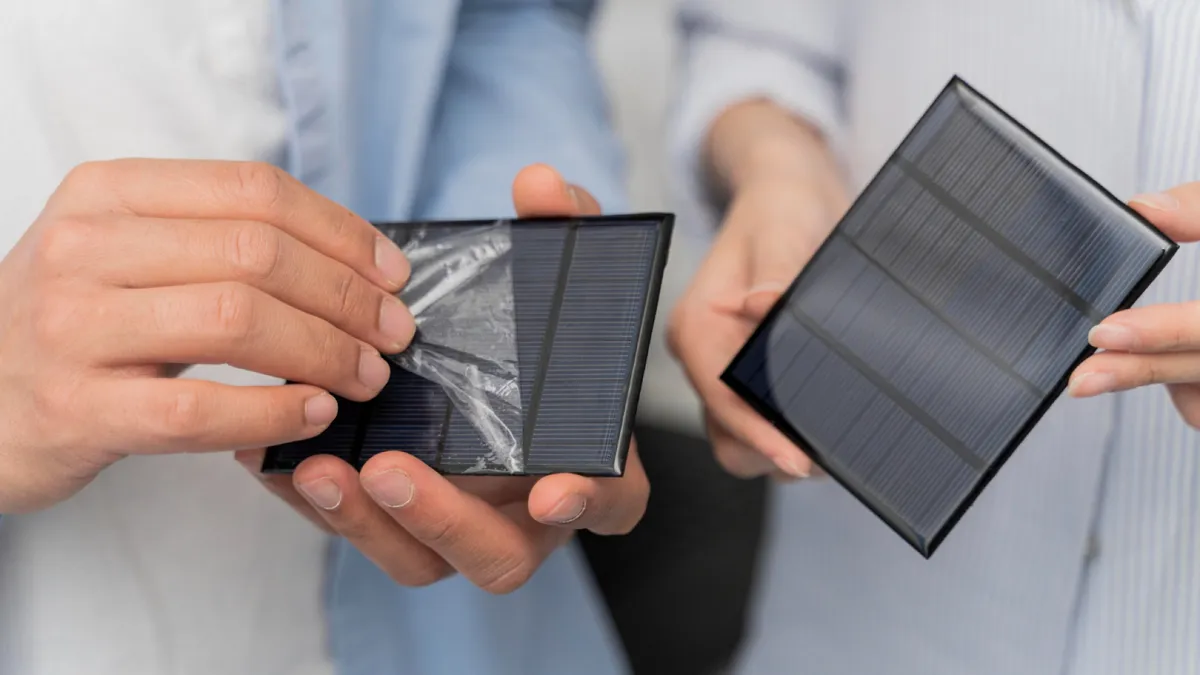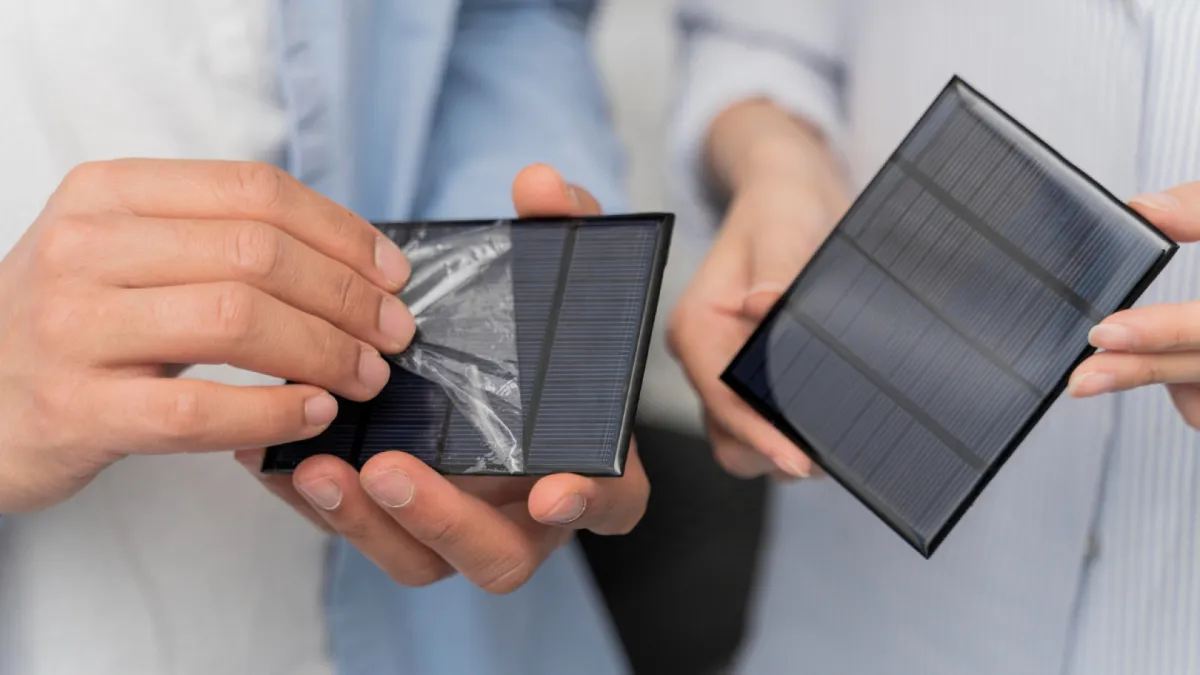
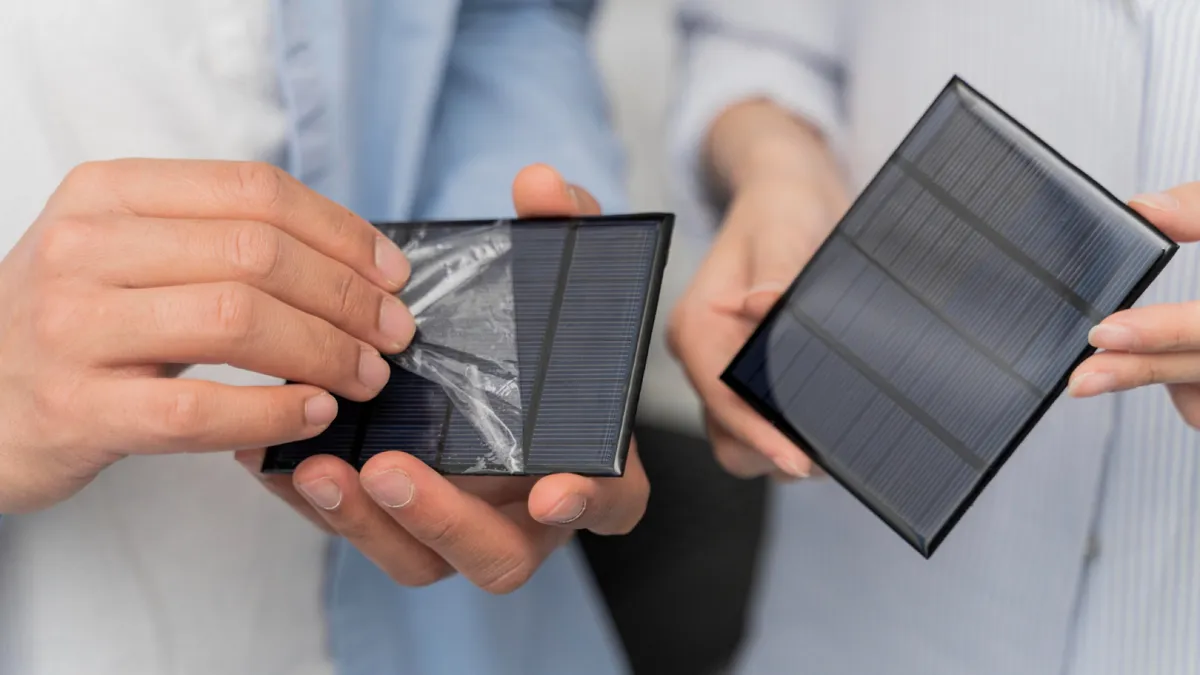
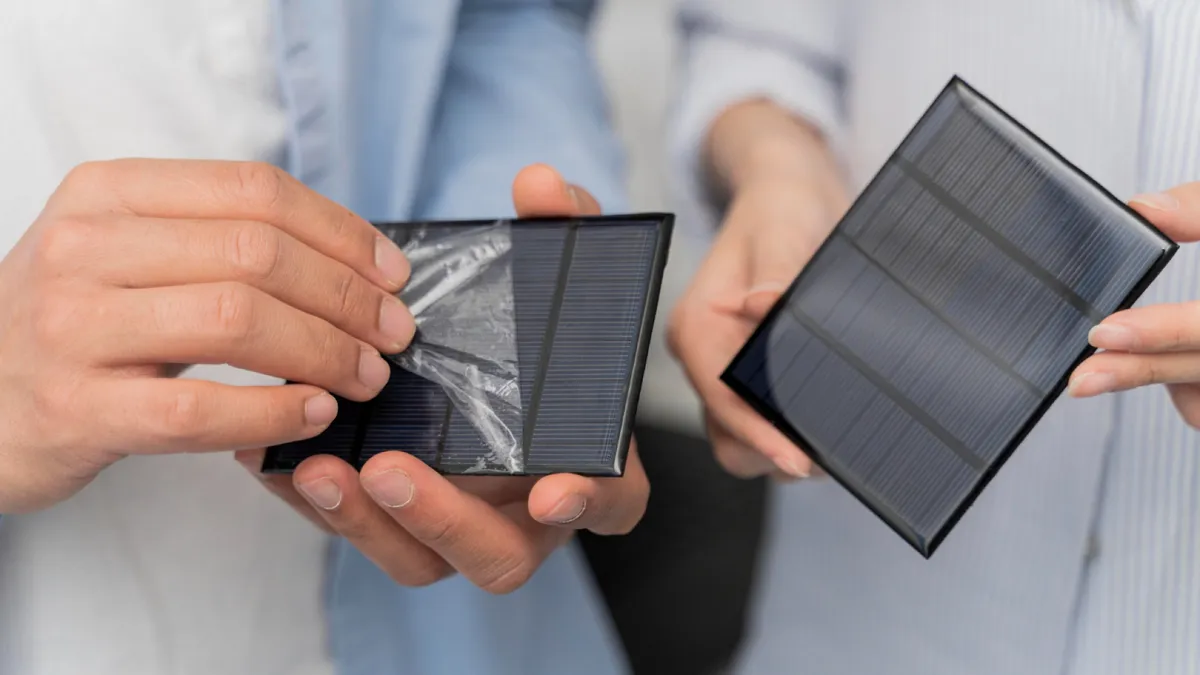
Perovskite solar cells (PSCs) are the sleek, lightweight future of energy. Think solar panels you can put on your car, your windows, or even your portable gadgets. They're cheap to make and seriously efficient, but there's always been a slight mystery under the hood. Specifically, how these cells manage their energy at a microscopic level, especially when a crucial component called a "hole-collecting monolayer" (HCM) is involved.
HCMs are tiny, thin layers that pull positive charges out of the perovskite material, supercharging efficiency up to 26.9% and making the cells more stable. Impressive, right? But the exact physics of how energy levels align at the electrode–HCM–perovskite interface has been a bit of a scientific guessing game, relying on different models that made predicting performance a headache.
Unlocking the Solar Cell's Secret Language
Enter a team from Chiba University in Japan, led by Professor Hiroyuki Yoshida. They’ve just dropped the mic with the first universal model for energy level alignment in PSCs. This isn't just a tweak; it's a fundamental breakthrough that provides a consistent, unified way to understand how HCMs actually do their job and, more importantly, how to make them even better.
We're a new kind of news feed.
Regular news is designed to drain you. We're a non-profit built to restore you. Every story we publish is scored for impact, progress, and hope.
Start Your News DetoxTo build this model, the researchers basically put these materials under a scientific microscope, measuring properties like "work function" and "ionization energy." (Think of these as the materials' personal energy signatures.) These precise measurements allowed them to understand exactly how charges move and interact at those critical interfaces.
The new model smartly divides the complex electrode/HCM/perovskite interface into two distinct zones. At the electrode–HCM boundary, it's all about the electric field created by the HCM's molecules, dictating how energy lines up. But at the HCM–perovskite boundary, the model brings in semiconductor heterojunction theory – essentially, how two materials with different energy characteristics behave when they decide to share a boundary.
Predicting the Future of Power
The team pinpointed two major factors that determine how well these solar cells collect their "holes" (the positive charges that create electricity). First, there's "band bending," which is like a gradual energy slope caused by electric fields. Second, the "interfacial energy barrier height" – basically, how well the energy levels match up, which can either smooth the path for charge transfer or throw up a roadblock.
Yoshida explained that these effects boil down to a few basic parameters, like the energy signatures of the electrode, HCM, and perovskite. By crunching these numbers, their model can now explain why some HCM materials are rockstars and others… well, not so much.
They even stress-tested their model against real-world results using a whole buffet of different material combinations, and it held up. The upshot? This isn't just theory; it's a practical guide for designing the next generation of solar tech, providing clear rules for picking and designing HCMs. Which means less trial-and-error, faster development, and ultimately, more efficient, reliable, and widespread solar power. Let that satisfying number sink in.