Conservationists have, for a long time, focused on the numbers: how many animals are left, how much land do they have? But what if the real secret to saving a species isn't just counting bodies, but understanding their brains?
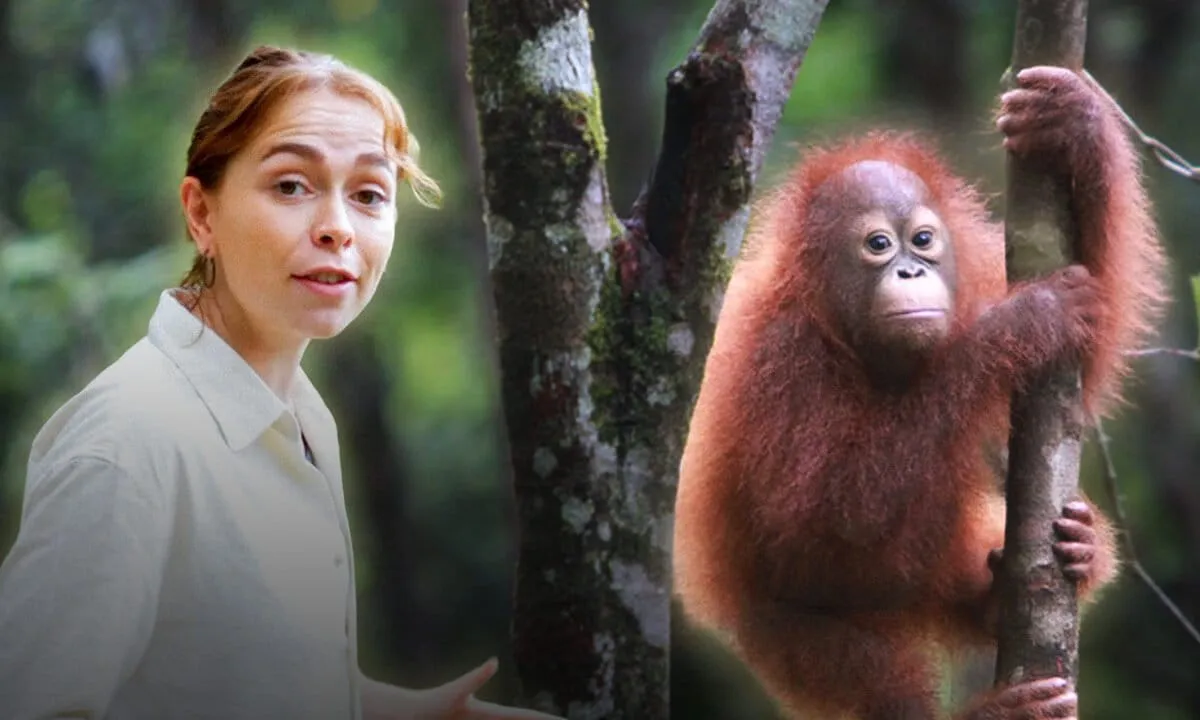
That's where geographer Khatijah Rahmat comes in. She's deep-diving into how elephants perceive and navigate time itself. Because, as she points out, we humans tend to assume everyone, everywhere (even other species) is on our clock. Spoiler: they're not.

Turns out, an elephant's sense of time is less about ticking seconds and more about a vast, intricate tapestry woven from memory. And some of those threads are pretty dark.
We're a new kind of news feed.
Regular news is designed to drain you. We're a non-profit built to restore you. Every story we publish is scored for impact, progress, and hope.
Start Your News DetoxWhen Memory Becomes Trauma
Back in 2005, ecologist Gay Bradshaw dropped a bombshell: African elephants were showing clear signs of post-traumatic stress disorder. We're talking about animals witnessing their family members killed by humans, and then exhibiting trauma responses that hit uncomfortably close to home.
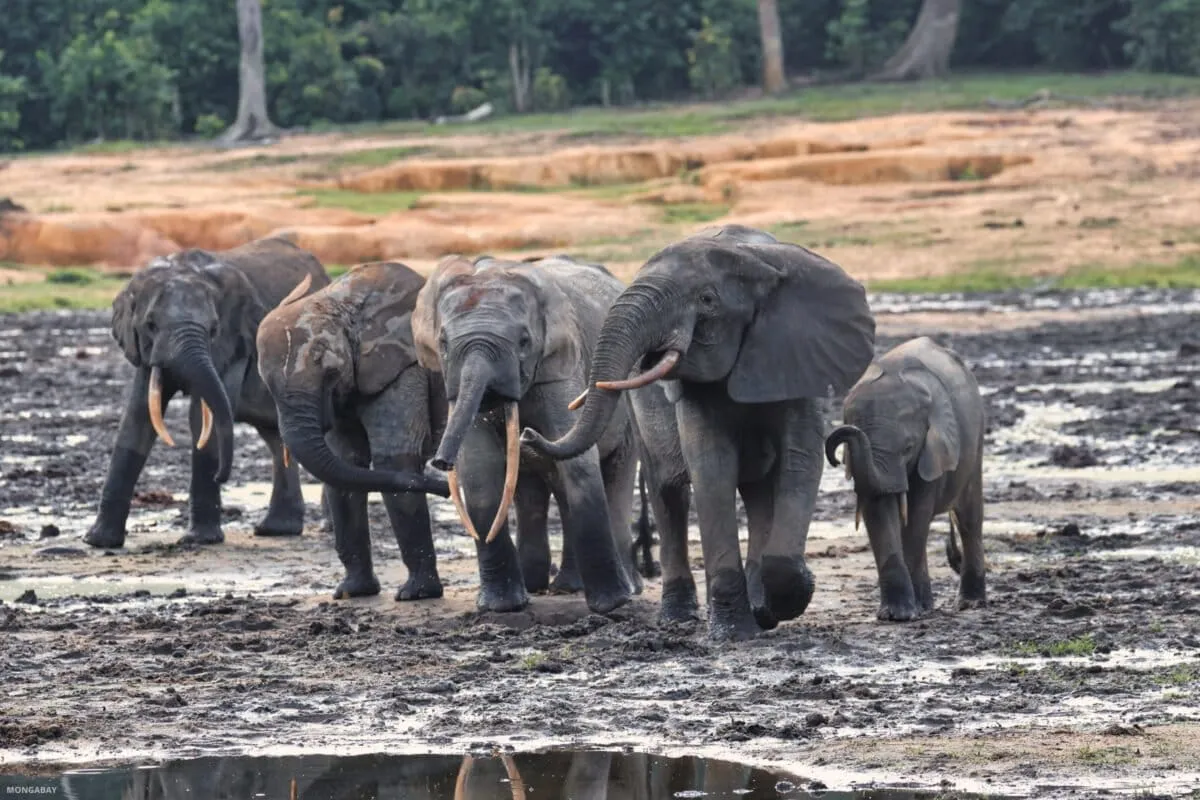
Abnormal startle reflexes, aggression, depression, even neglecting their young – it was all there. Which, if you think about it, is both heartbreaking and slightly terrifying. Because elephants, famously, never forget. This isn't just a party trick; it's a survival mechanism.
In arid landscapes, the oldest matriarch in a herd can recall water sources from droughts that happened decades ago. She then leads her entire family on an epic, years-spanning quest to find them again. Imagine remembering where you parked your car... from 1998. Now imagine that memory is critical to everyone's survival. Suddenly, those long memories, and the trauma they might hold, take on a whole new dimension for conservation.