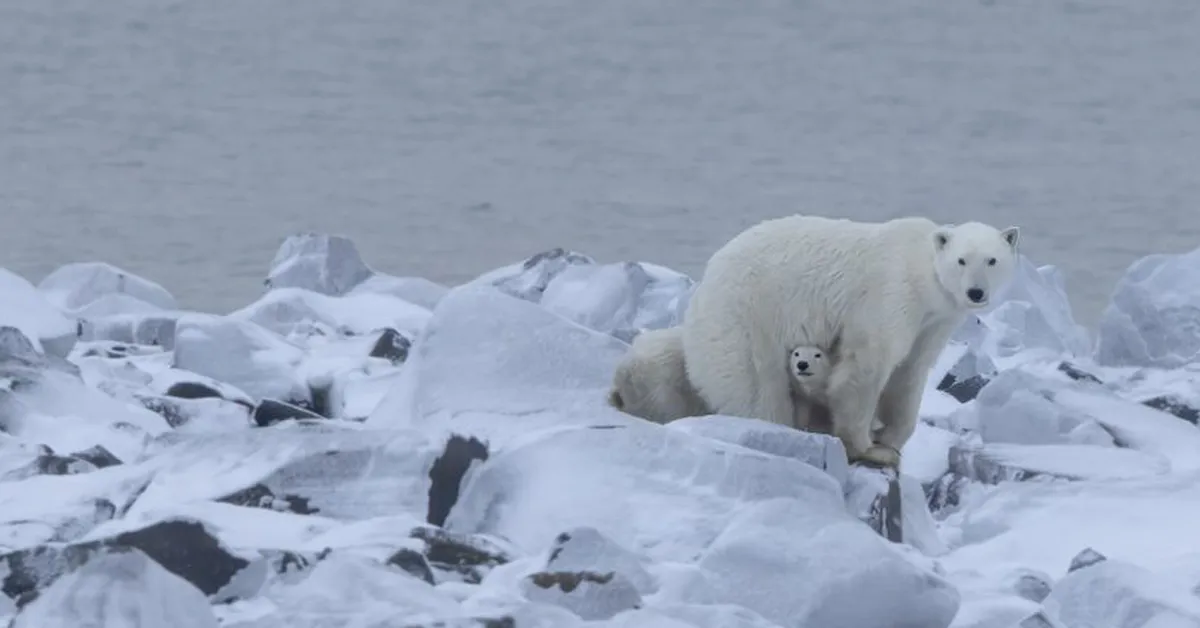
When a female polar bear emerged from her den in Churchill, Manitoba, researchers saw her with one cub. They tagged both to track them. Months later, the mother, known as X33991, was seen again. This time, she had two cubs.
This was a big surprise for experts. Polar Bears International said X33991 had adopted a cub that wasn't hers. Researchers confirmed this by taking genetic samples from the new cub. They hope to find its biological mother.
A Rare Act of Kindness
Alysa McCall, a scientist with Polar Bears International, explained that polar bear cubs stay with their mothers for about two to two and a half years. This short time is crucial for them to learn how to survive. In December 2025, the cubs were about 10 or 11 months old. Their adoptive mother, X33991, was about five years old.
We're a new kind of news feed.
Regular news is designed to drain you. We're a non-profit built to restore you. Every story we publish is scored for impact, progress, and hope.
Start Your News DetoxPolar bear adoptions are very rare. Researchers have studied the Western Hudson Bay polar bear population for over 45 years, tracking more than 4,600 bears. This adoption is only the 13th known case in this group.
It's not clear what happened to the adopted cub's birth mother. However, it's also possible that the cub wasn't an orphan but got mixed up with another litter.
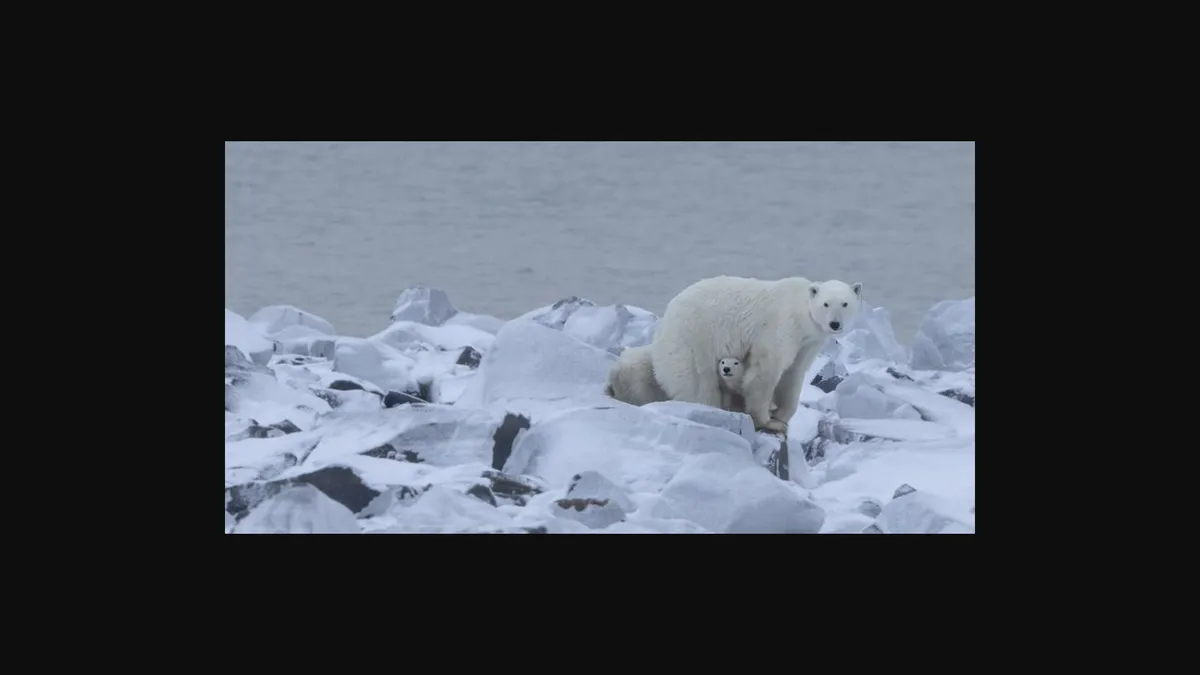 Photo by Dave Sandford / Discover Churchill
Evan Richardson, a scientist with Canada’s environment department, suggested that female polar bears are very maternal. They might pick up a crying cub on the tundra and take it along.
Hope for the Cub's Future
X33991 and her two cubs have now moved onto the sea ice. There, she will hunt seals and teach both cubs important survival skills. You can even track their journey online.
Experts say only about half of all polar bear cubs survive their first year. Having X33991's help greatly improves the adopted cub's chances.
McCall noted that this adoption gives the cub a real chance to reach adulthood. She finds it hopeful and shows how incredible and fascinating polar bears are. It suggests that polar bears might even look out for each other.