Maryland's public transit system has, for years, been running a bit like a teenager left unsupervised with the car keys: occasionally unreliable, prone to breakdowns, and leaving a lot of people stranded. But Governor Wes Moore just signed a new law that basically hands the keys over to a couple of very serious, very grown-up oversight boards. Because apparently, that's where we are now.
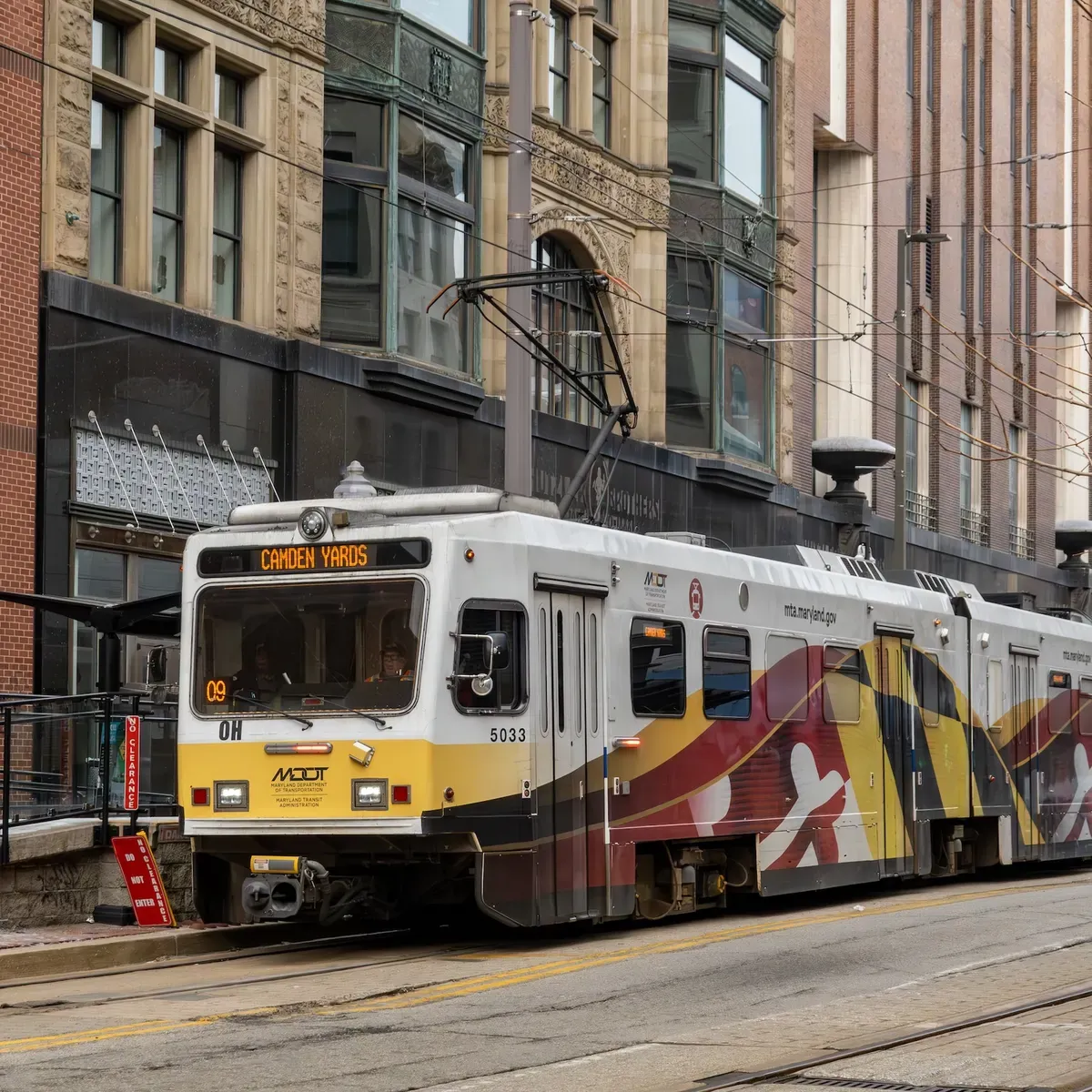
The Maryland Transit Administration Reform Act creates two new groups: an oversight board for the MTA itself, and a Commuter Services Advisory Board. Their job? To keep a hawk-like watch over budgets, service plans, and where all those grant dollars actually go, particularly for Baltimore-area transit. Think of it as a much-needed dose of adult supervision for the buses and commuter rails.
This isn't some spur-of-the-moment decision. Activists, particularly from the Maryland Legislative Coalition, have been clamoring for better transit oversight for ages. They've watched as the state's public transportation, a lifeline for workers, students, and anyone needing to get to a doctor's appointment, struggled with underfunding and the kind of unreliability that makes you seriously consider just walking. This new bill? They're thrilled.
We're a new kind of news feed.
Regular news is designed to drain you. We're a non-profit built to restore you. Every story we publish is scored for impact, progress, and hope.
Start Your News DetoxAnd it's not just talk. Maryland is throwing some serious cash at the problem: $22.1 billion, to be precise, earmarked for transportation projects between 2026 and 2031. This includes everything from the monumental task of repairing the Key Bridge to highway and tunnel upgrades, and even sprucing up the state's airport light rail line. Oh, and finally finishing that 16-mile light rail line connecting New Carrollton to Bethesda, which, if you think about it, is both impressive and slightly terrifying how long these things take.
The Maryland Department of Transportation, surprisingly, is on board with this new act. They're even working with the Baltimore Metropolitan Council to study creating a full-blown rail authority. The report on that little venture is due by December 1, so mark your calendars. Because if there's one thing a state transit system needs after years of neglect, it's a couple of new boards and a cool $22 billion. What could possibly go wrong?