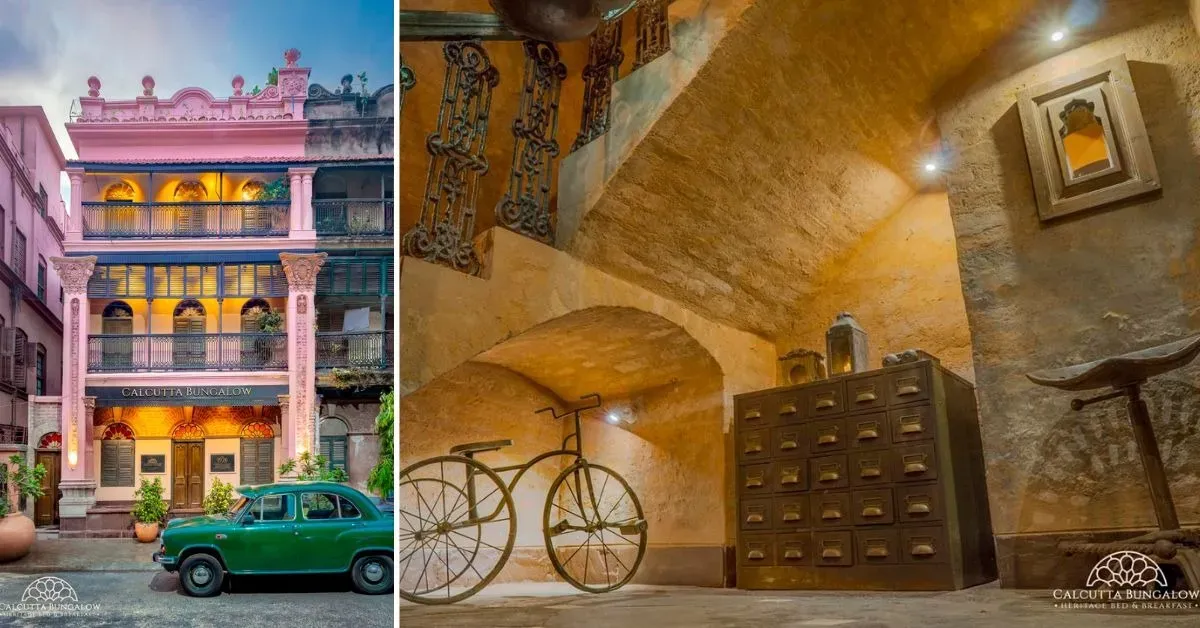
Iftekhar Ahsan, the founder of Calcutta Walks, sees more than just new buildings in Kolkata. He sees ghosts of the past, hiding behind modern storefronts, tucked into quiet courtyards, and whispering from old bungalows. And in 2013, he realized simply leading tours wasn't enough to keep those whispers from fading entirely.
His worry? Kolkata, a city bursting with unique character, was slowly losing its soul to the relentless march of the new. His solution? Find a piece of that past and bring it back to life.
A Bungalow, a Dream, and a Dash of Jaggery
He found his muse in the Shyam Bazar neighborhood: a 1926 bungalow. While the rest of the world was getting jazzy with Art Deco, this place held onto its classical roots, a true relic of Calcutta’s “golden era.” Even better, it was structurally sound. Minimal repairs, maximum charm.
We're a new kind of news feed.
Regular news is designed to drain you. We're a non-profit built to restore you. Every story we publish is scored for impact, progress, and hope.
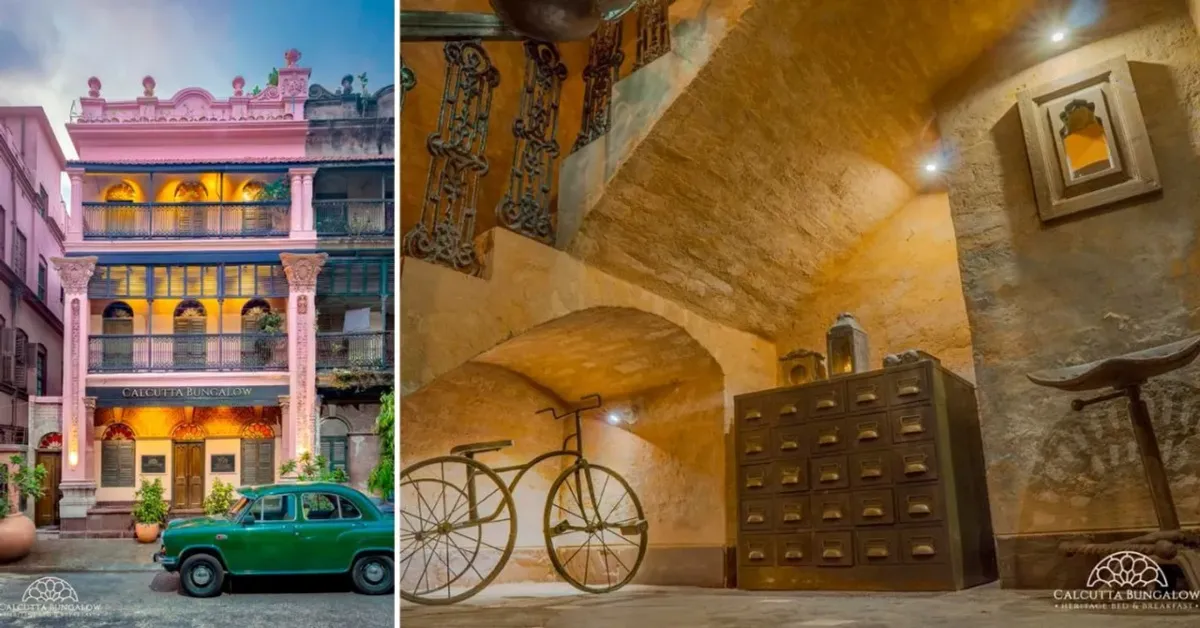
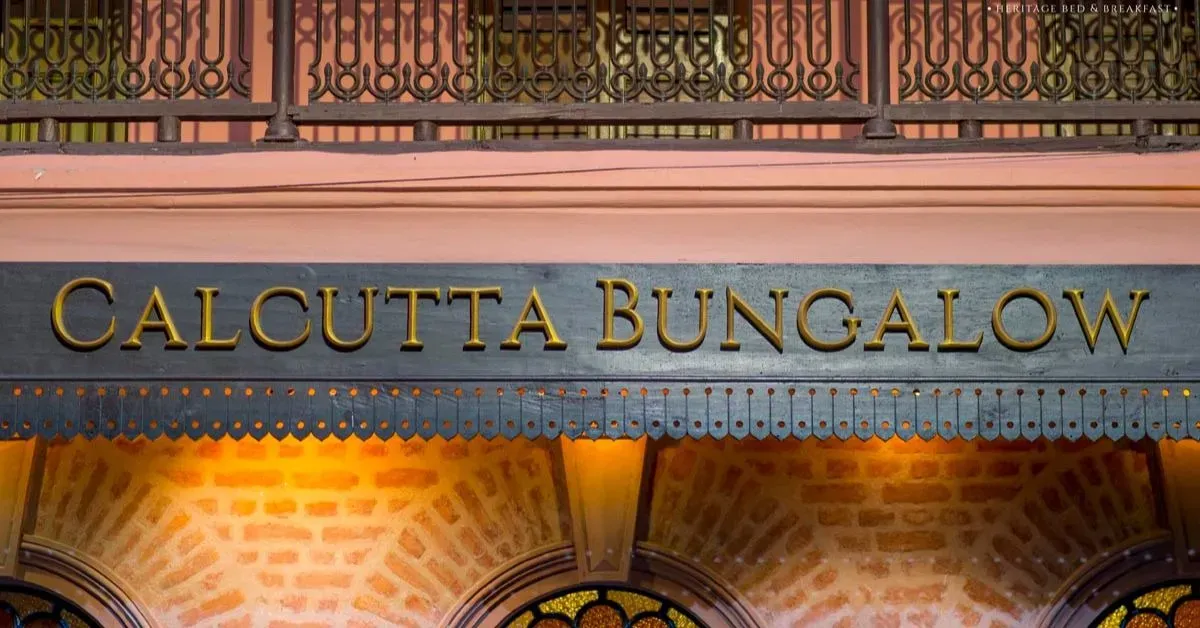
Start Your News DetoxIftekhar’s vision was clear: restore it to its former glory as an upper-middle-class home from the early 1900s. Think Burma teak, colored glass, cast iron railings, and rich red mandana stone floors. To complete the scene? A vintage yellow Ambassador taxi permanently parked outside, just waiting for a story.
After two years of acquiring the property and another three years of meticulous restoration, the Calcutta Bungalow opened its doors as a heritage hotel in 2018. Five years to open a hotel? Let that satisfying number sink in.
Iftekhar, who grew up far from Kolkata’s tales in Rajasthan, started Calcutta Walks to champion the city’s often-overlooked history. He wanted the bungalow to resist the modern urge for sleek polish, to remain true to its intimate past.
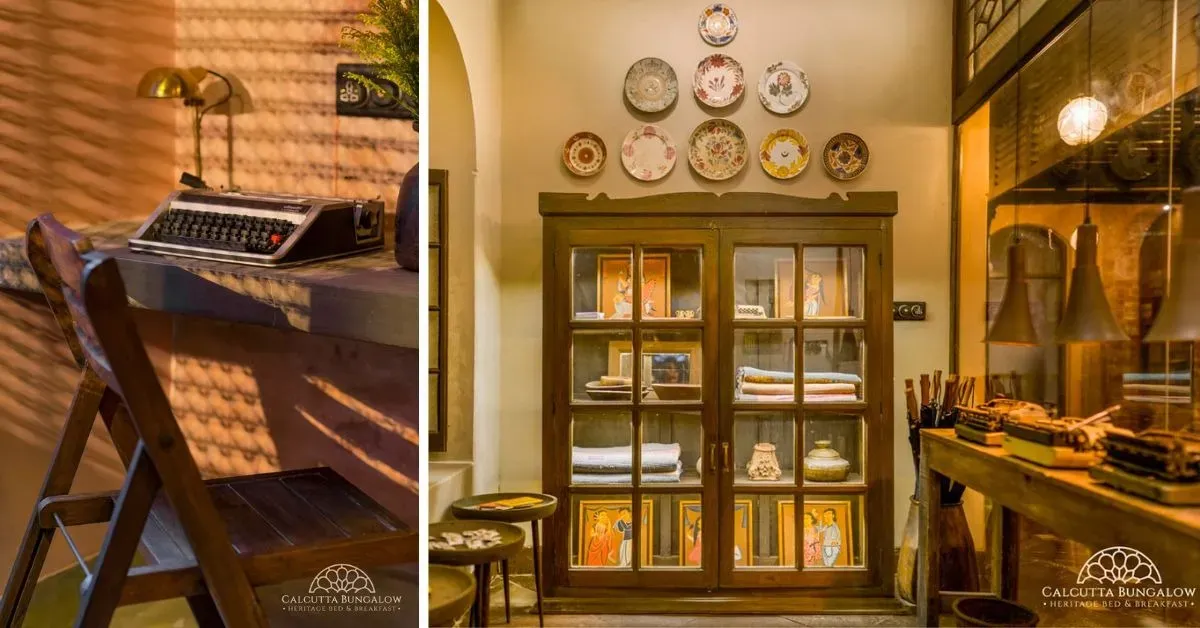
They didn’t go for grandeur; they went for soul. Old wood and iron from other demolished buildings found new purpose. Khorkhoris — traditional Bengali windows — were upcycled into courtyard art and even bedside tables. Each room even boasts a functional typewriter, a subtle nudge for guests to slow down and maybe, just maybe, tap out a few thoughts.
The very walls tell a story. Exposed brick is held together by an ancient mortar mixed by Raj mistries (brick layers) from Murshidabad. Their secret recipe? Jaggery, wood apple pulp, fenugreek seeds, and betel nuts, all cured for weeks. Which, if you think about it, is both impressive and slightly terrifying. Scenographer Swarup Dutta explained this traditional mix helps the walls breathe, preventing moisture damage while honoring techniques of the past.
Your Room, Your Story
Each of the bungalow’s rooms is a love letter to a different facet of Kolkata’s cultural past:
- Patuapara salutes Bengal's scroll painters.
- Jatrapara celebrates folk theater.
- Boipara is for the bookworms, inspired by College Street’s literary hub.
- Sahibpara nods to the European influences that shaped the city.
Beyond the bungalow, guests can dive deeper into Kolkata with Calcutta Walks. Explore British colonial architecture on the White Town Walk, or wander along the Hooghly River, from vibrant flower markets to artisan quarters. Foodies can embark on Bengali cooking experiences or street food trails, while the Melting Pot Walk explores diverse neighborhoods like Bow Barracks.
And if that’s not enough, you can apparently play chess with grandmasters under a flyover or fish in the East Calcutta Wetlands. Because apparently, that's where we are now. And it’s glorious.