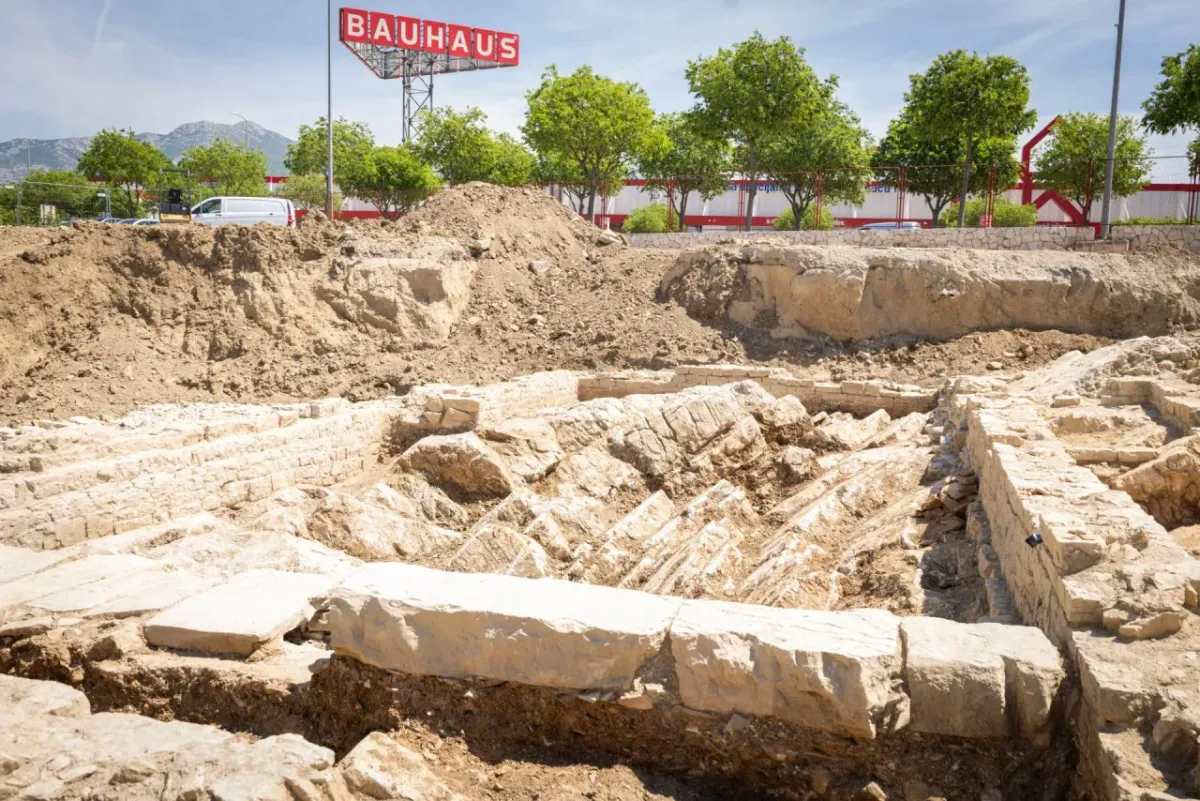
Turns out, if you dig around in a neighborhood in central Alexandria, you might just unearth a few centuries. That's exactly what archaeologists in Moharam Bek recently did, pulling up a treasure trove of Greek, Roman, and Byzantine artifacts that probably haven't seen the light of day since, well, the Byzantine era.
Egypt's Ministry of Tourism and Antiquities announced the finds, which include everything from grand statues of ancient gods to the kind of everyday items you'd expect to find in a city that's been bustling for thousands of years: coins, lamps, and ceramic pots. Because apparently, even the ancients needed good lighting and something to put their olives in.
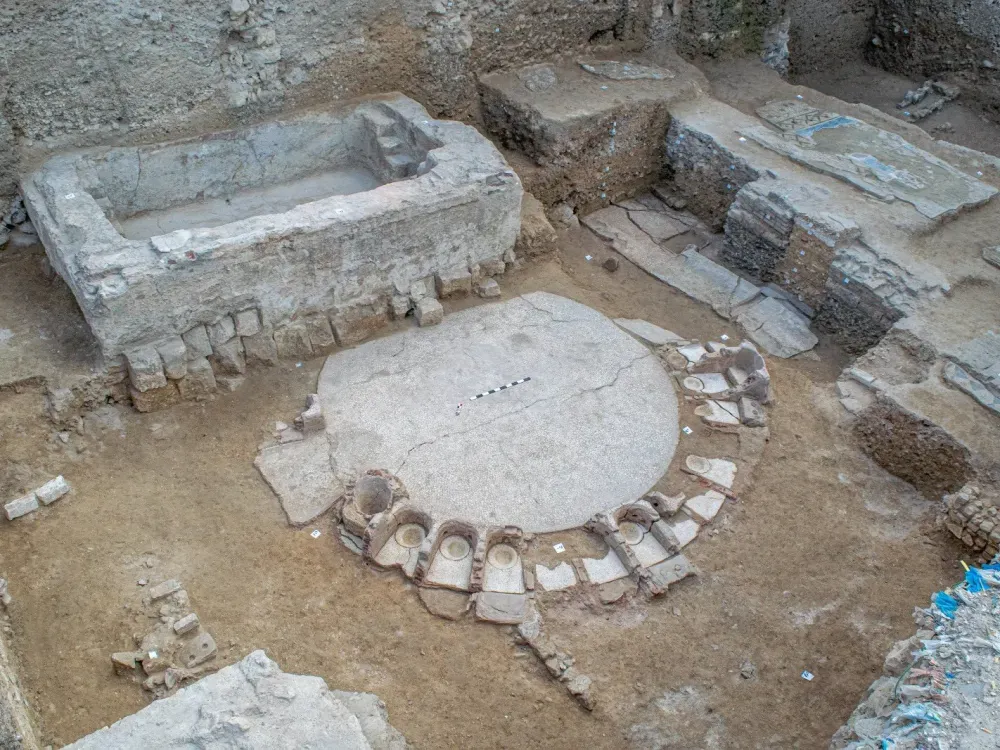
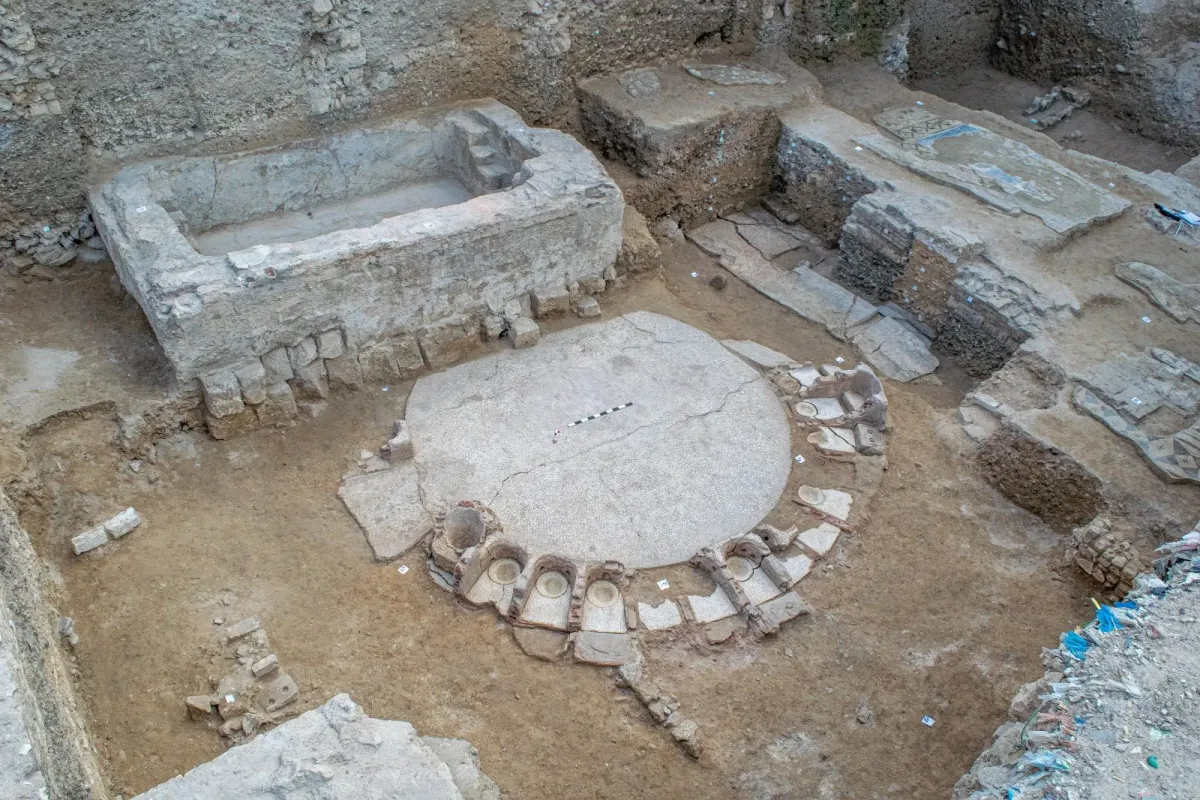
But it wasn't just small trinkets. The team also uncovered entire buildings. We're talking a public bathhouse (because hygiene, even then, was a thing), intricate mosaics from a Roman home (because who doesn't love a bit of floor art?), and some surprisingly advanced water systems. Which, if you think about it, is both impressive and slightly terrifying given our modern plumbing woes.
We're a new kind of news feed.
Regular news is designed to drain you. We're a non-profit built to restore you. Every story we publish is scored for impact, progress, and hope.
Start Your News DetoxMohamed Abdel Badi of the Supreme Council of Antiquities noted that the site offers a fascinating peek into how homes and public spaces evolved in ancient Alexandria. The oldest bits date back to the Ptolemaic period (305-30 BCE), including a rather chic round public bath, known as a tholi, and those aforementioned mosaic floors, likely from a Roman house that had some serious curb appeal.
Among the statues are some familiar faces from the ancient pantheon: Bacchus, the god of wine (naturally), Asclepius, the god of medicine (who probably had his work cut out for him after Bacchus got involved), and Minerva, the goddess of wisdom (who likely just shook her head at all of it).
Hisham El-Leithy, secretary general of the SCA, pointed out that these discoveries firmly cement Alexandria's status as a major player in the ancient world, known for its sophisticated architecture and, dare we say, a pretty decent quality of life. The finds span 400 years, offering a compelling narrative of urban adaptation over time. Because cities, much like people, have to learn to roll with the punches.
Archaeologists are still digging in Moharam Bek, so who knows what else they'll unearth. Some of these freshly excavated pieces are slated for display at the Graeco-Roman Museum in Alexandria. Just in case you needed another reason to book a trip.