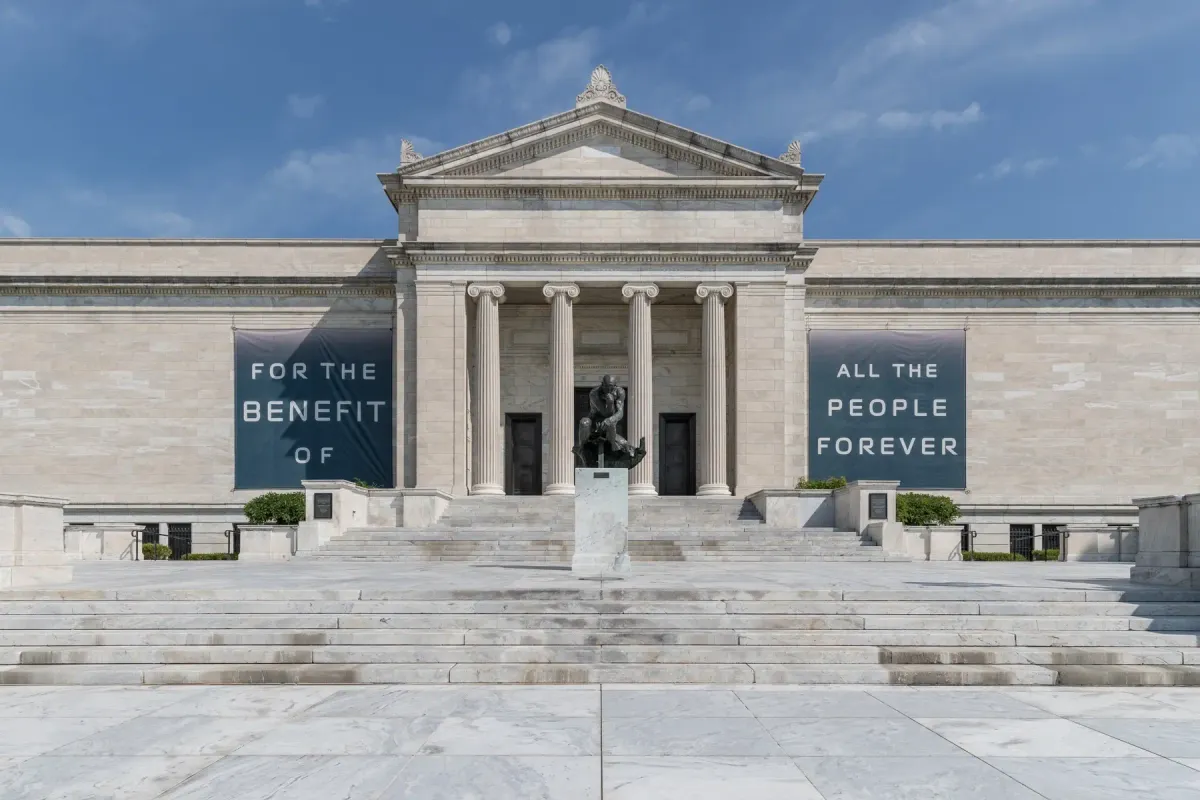
In a delightful twist of public finance, Cleveland, Ohio, has figured out a way to keep its museums and art groups thriving: every time someone in Cuyahoga County lights up, a portion of the cigarette tax goes directly to the arts. It's an unusual funding model, to say the least, and likely the only one of its kind in the U.S.
Since 2007, this surprisingly effective — and somewhat ironic — tax has funneled a staggering $270 million into the local arts scene through the nonprofit Cuyahoga Arts and Culture. For a little perspective, the entire state of Ohio pulled in only $48 million from the National Endowment for the Arts during the same period. Let that satisfying number sink in.
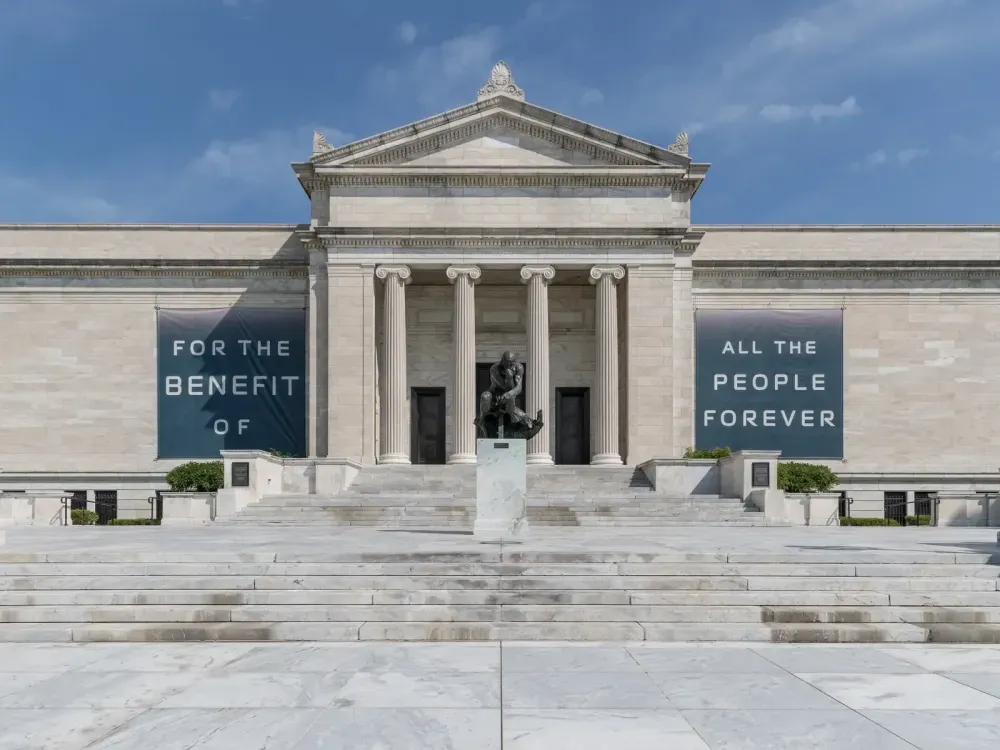
Over the years, nearly 4,000 grants have been doled out to 485 nonprofits, ensuring that everything from the venerable Cleveland Museum of Art (founded in 1913) to the more avant-garde Museum of Contemporary Art Cleveland (1968) gets a piece of the action. Even the 135-year-old Cleveland Institute of Art, where future Picassos are presumably learning to sketch, benefits.
We're a new kind of news feed.
Regular news is designed to drain you. We're a non-profit built to restore you. Every story we publish is scored for impact, progress, and hope.
Start Your News DetoxIt's not just the big names, either. Organizations supporting artists directly, like ICA-Art Conservation (the nation's first nonprofit regional art conservation center) and Sculpture Center, also get a boost. Even groups like the Cleveland Arts Prize, which hands out $10,000 awards to artists, writers, musicians, and dancers annually, are on the receiving end. Because apparently, even the Muses need a little nicotine-funded patronage these days.
Of course, there's a certain dark humor to it all. Running a museum is notoriously expensive, and ticket sales barely scratch the surface. Institutions often rely on wealthy donors, which can sometimes lead to sticky situations — think climate activists protesting fossil fuel money at the British Museum. So, while the source might raise an eyebrow, it certainly keeps the lights on.
Speaking of irony, this isn't the first time tobacco money has brushed up against high culture. The Whitney Museum of American Art at Philip Morris operated in New York from 1983 to 2008. It even got renamed "at Altria" in 2003, because nothing says cutting-edge art like a rebrand tied to a tobacco giant.
Here's the kicker: as public health initiatives succeed and smoking rates decline (a good thing for Cuyahoga County residents, obviously), the tax revenue for museums inevitably shrinks. Adult smoking rates in Cleveland have nearly halved over the past decade, leading to a 50% drop in that sweet, sweet art money. But fear not, culture lovers! Voters, with a clear understanding of what's at stake, overwhelmingly chose to more than double the tax rate last year. Because sometimes, the show must go on, even if it's funded one puff at a time.