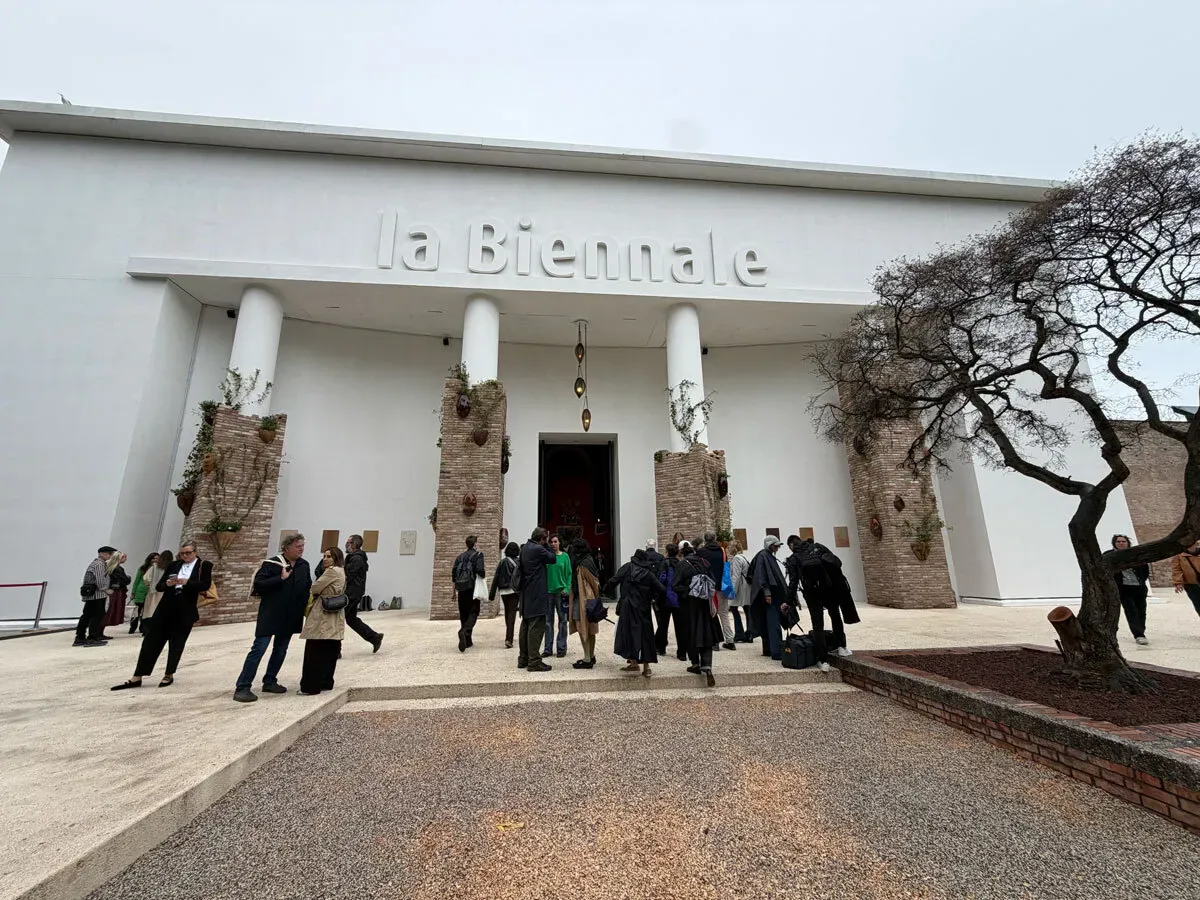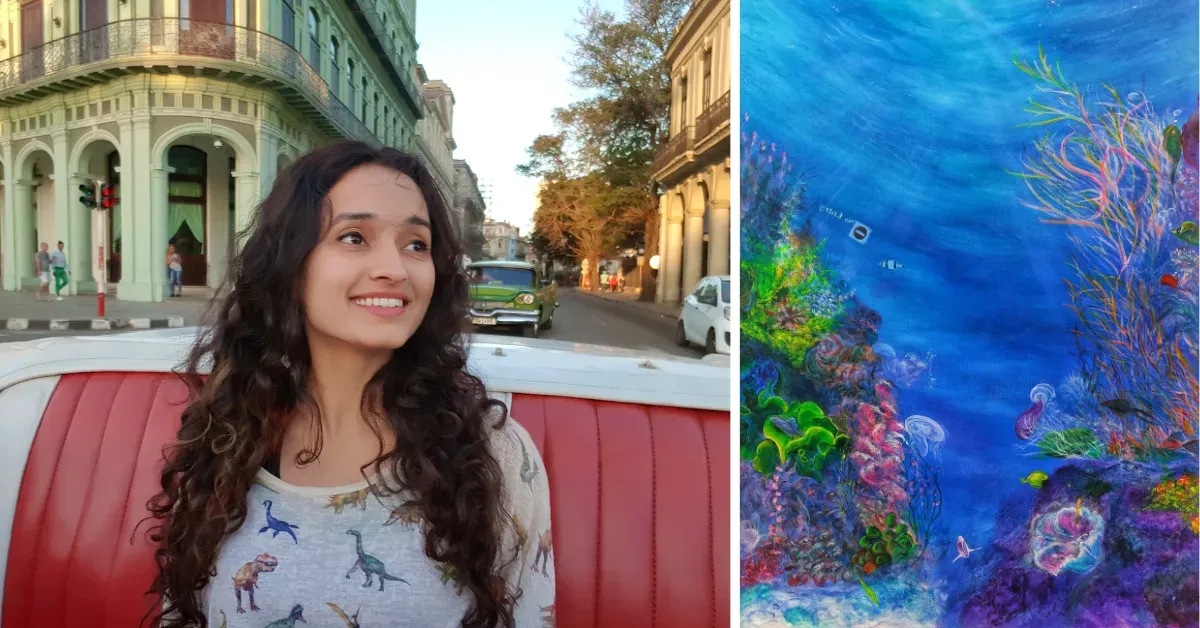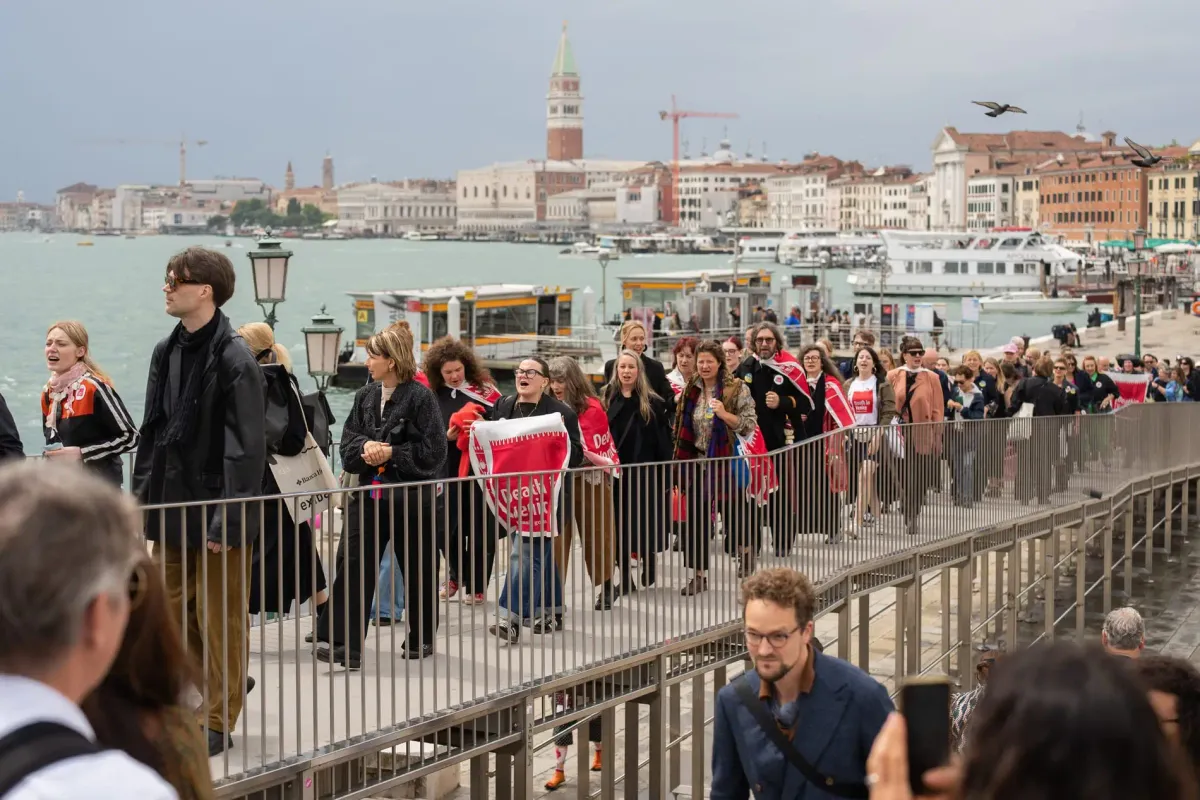
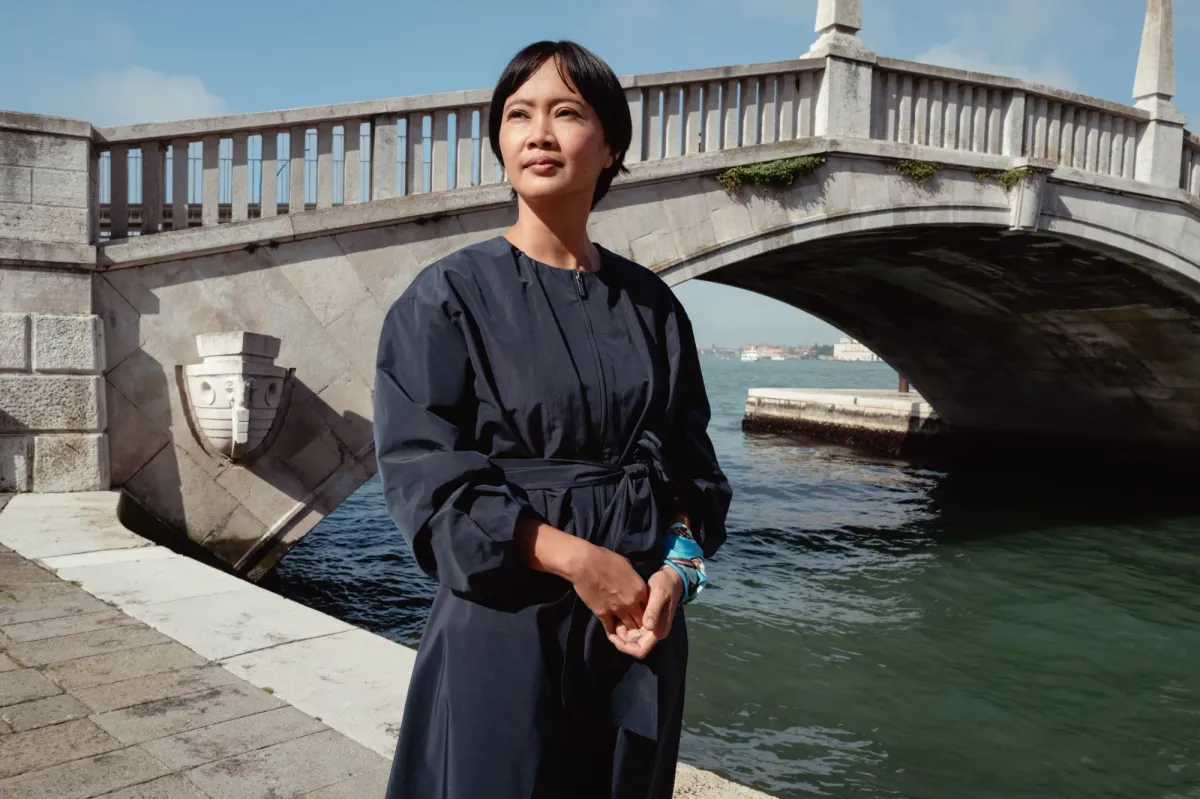
Dian Suci, an artist with Indonesian roots, just snagged the prestigious 2025–27 Max Mara Art Prize for Women. The announcement dropped at the Venice Biennale, which, if you’re keeping track, is basically the Olympics for art. Cecilia Alemani, the prize's curator and head juror, was there to make it official, alongside a few other big names from the art and fashion worlds. Because apparently, high fashion and deep art go hand-in-hand now. And sometimes, they even award cash.
Crafting Spirit, State Power
This isn't just a pat on the back. The Max Mara Art Prize, which kicked off in 2005, is all about boosting mid-career women artists. Suci gets a six-month residency in Italy, custom-built around her winning project. After that, she'll get solo shows at Jakarta's Museum MACAN and Italy's Collezione Maramotti. And for the grand finale, the Collezione Maramotti will acquire her new works. Which, if you think about it, is both impressive and slightly terrifying for an artist: make something brilliant, we’ll buy it.
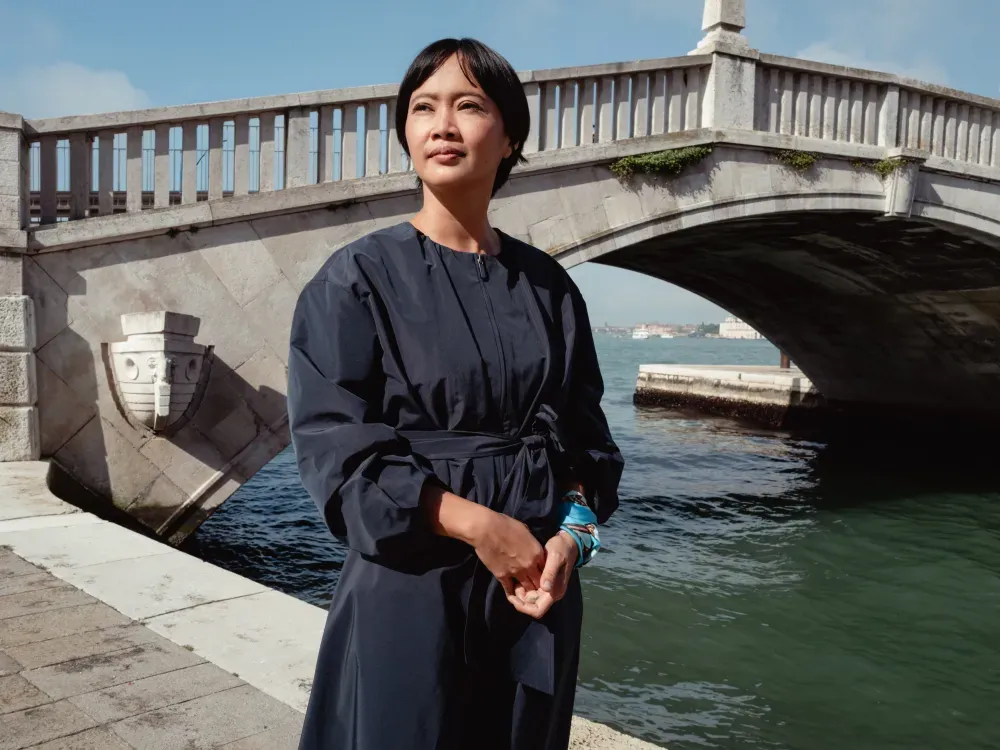
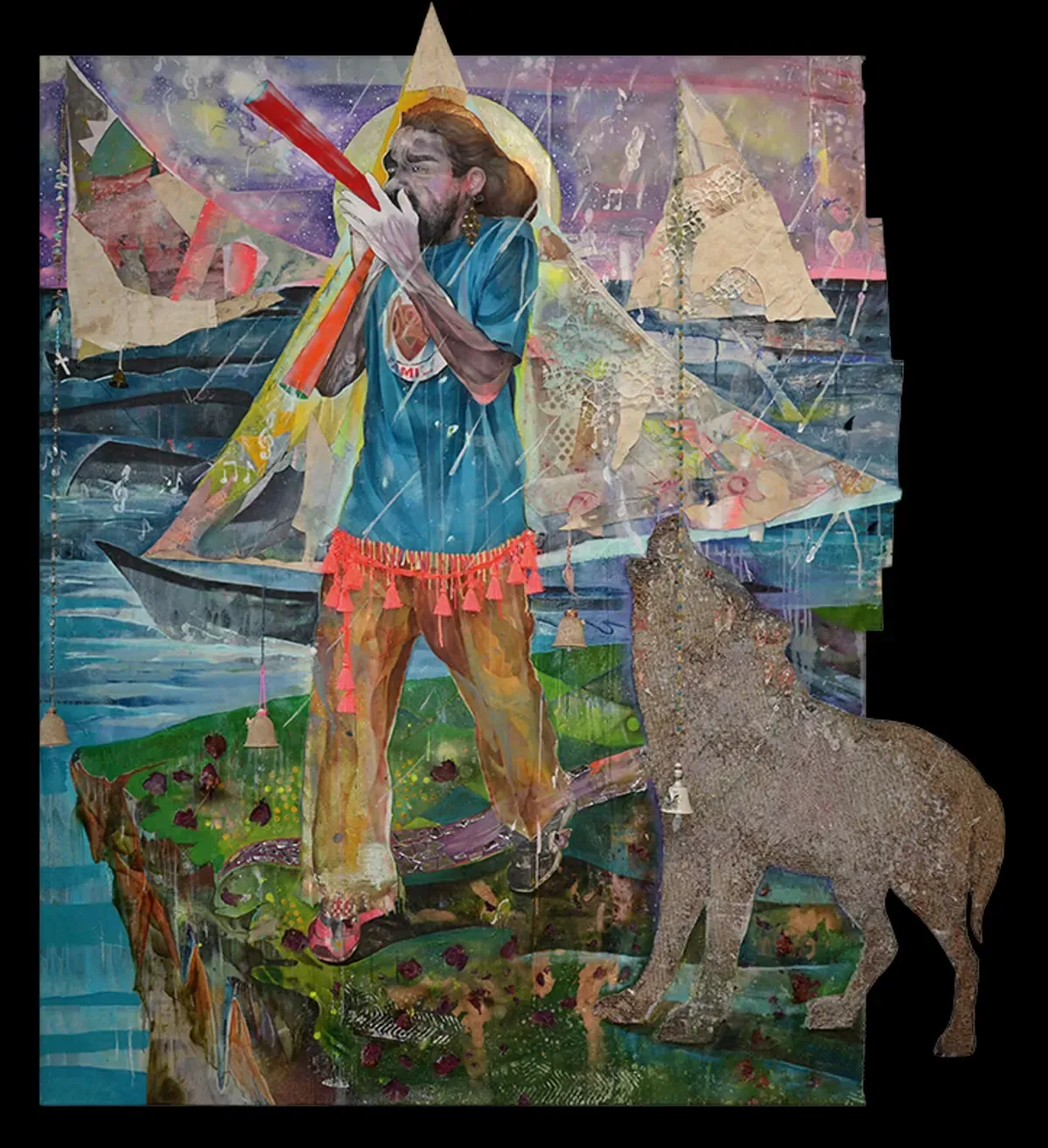
Suci’s work often blends installations, paintings, sculptures, and videos, frequently digging into the surprisingly tangled threads between home life and state power. Her winning project, “Crafting Spirit: Cultural Dialogues in Heritage and Practice,” is set to explore spiritual traditions in both Italy and Indonesia through the lens of handmade crafts. Because apparently, even a well-made basket can hold a secret.
We're a new kind of news feed.
Regular news is designed to drain you. We're a non-profit built to restore you. Every story we publish is scored for impact, progress, and hope.
Start Your News DetoxWhile in Italy, Suci will be hitting up cities like Assisi, Rome, and Florence. Her mission? To figure out how creating votive objects and religious images actually showcases resilience in our very modern, very chaotic world. Suci herself puts it best, explaining her project springs from “stories of the body and memory within the lives and gestures of women artisans.” She’s looking at how their work often walks a tightrope between pure devotion and sheer survival.
Cecilia Alemani lauded Suci’s knack for transforming “everyday domestic life into a realm of political resistance.” And given that this tenth edition of the prize is specifically shining a spotlight on Indonesian art, Suci’s work seems to be exactly what they were looking for. Let that satisfying symmetry sink in.