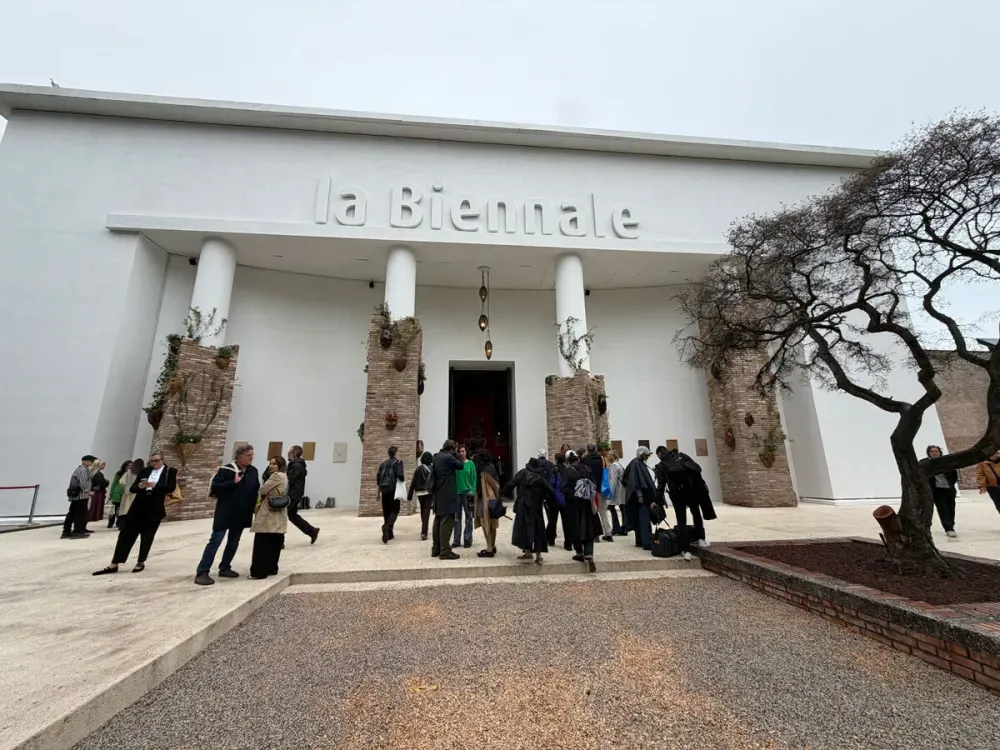
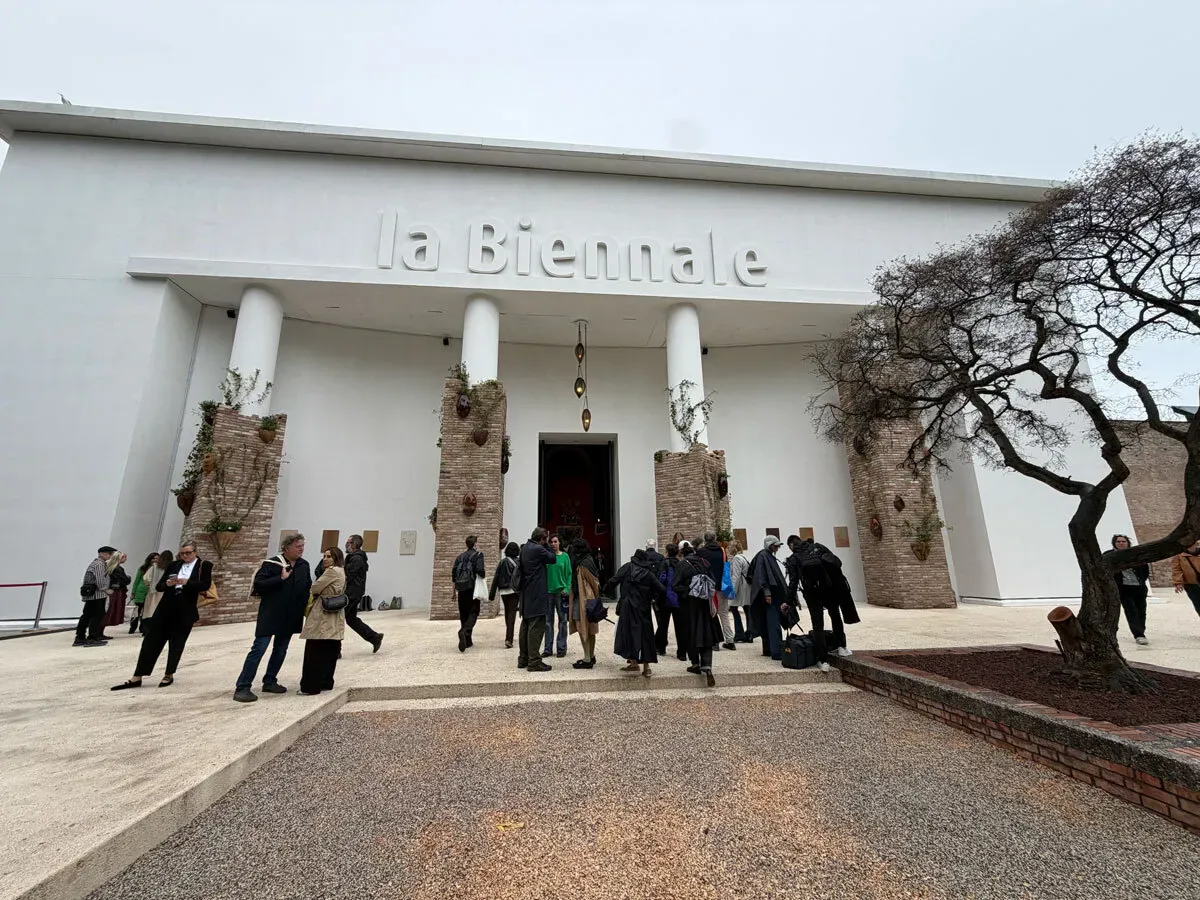
The Venice Biennale, usually a spectacle of art and the occasional eyebrow-raising national pavilion, is facing some heavy lifting this year. Not just the usual controversies (looking at you, Israel and Russia), but something far more profound: the unexpected passing of its central exhibition curator, Koyo Kouoh, a year ago.
Talk about a twist in the artistic plot. Before her death, Kouoh had already laid the groundwork for the main event, titled "In Minor Keys." She penned the curatorial text and assembled a dream team of five advisors. This squad, aptly named La Squadra di Koyo, is now bringing her vision to life, proving that even in absence, a powerful artistic voice can resonate.
Gardens and Ghosts
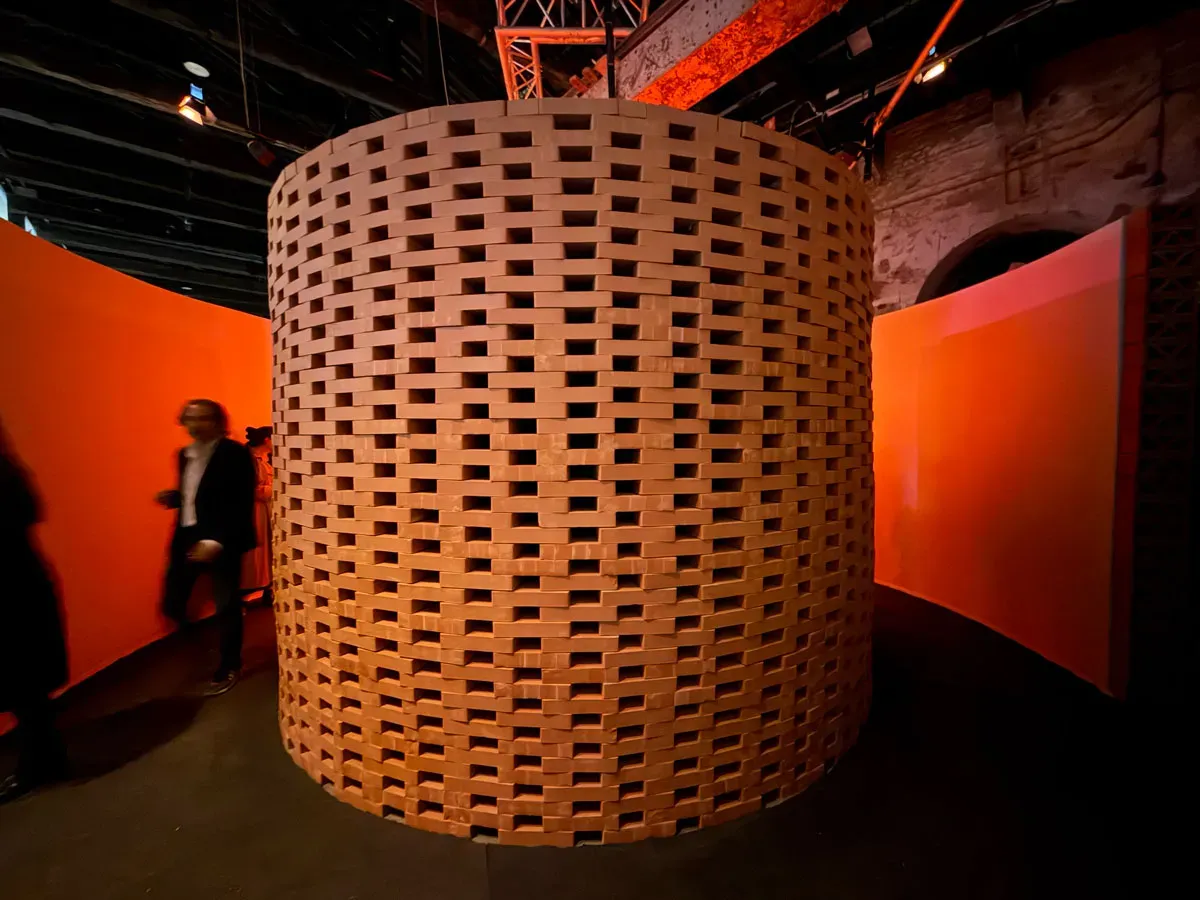
The exhibition itself is a sprawling affair, showcasing 110 artists and collectives across the Giardini’s Central Pavilion, the Arsenale, and various outdoor nooks. It's a place where modern life's surreal edges meet magical realism, where beauty persists despite the relentless drumbeat of global events.
We're a new kind of news feed.
Regular news is designed to drain you. We're a non-profit built to restore you. Every story we publish is scored for impact, progress, and hope.
Start Your News DetoxKouoh’s original intent was clear: this wasn't to be a mere laundry list of global woes, nor an escape from them. Yet, the artists, in their infinite wisdom, manage to make both visible in ways that hit you right in the gut. La Squadra points to literary giants like Toni Morrison's Beloved and Gabriel García Márquez's One Hundred Years of Solitude as guiding lights, where "magical realism deepens an emotional register." Which, if you think about it, is a pretty eloquent way to say things get weird, beautiful, and deeply felt.
A central thread weaving through the show is the landscape. We're talking lush gardens that somehow exist alongside scarred, harsh earth – and yet, they endure. It's a testament to survival, highlighting artists who crafted their work from the margins, not as a choice, but as a necessity. The exhibition also digs into archives, pondering what's there, what's missing, and whether those gaps should even be filled. It's a reminder that sometimes, just celebrating existence is an act of profound resilience.