Well, this is certainly a tale of two governments. On one side, France is making it significantly simpler to return colonial-era art. On the other, a U.S. federal judge just slammed a government agency for using ChatGPT to cut grants, specifically targeting anything that dared mention diversity.
Let's start with the AI kerfuffle, because apparently that's where we are now. A federal judge recently laid into the U.S. Department of Government Efficiency (DOGE) Service for unconstitutionally slashing over $100 million in National Endowment for the Humanities grants. The ruling? DOGE violated the First and Fifth Amendments. Not a great look.
Their brilliant method for deciding which projects to defund? They fed grant proposals into ChatGPT and axed anything the AI flagged for mentioning diversity, equity, and inclusion (DEI). Judge Colleen McMahon called this a "textbook example of unconstitutional viewpoint discrimination." She also pointed out that Congress, you know, the people who actually authorize funding, never signed off on these cuts.
We're a new kind of news feed.
Regular news is designed to drain you. We're a non-profit built to restore you. Every story we publish is scored for impact, progress, and hope.
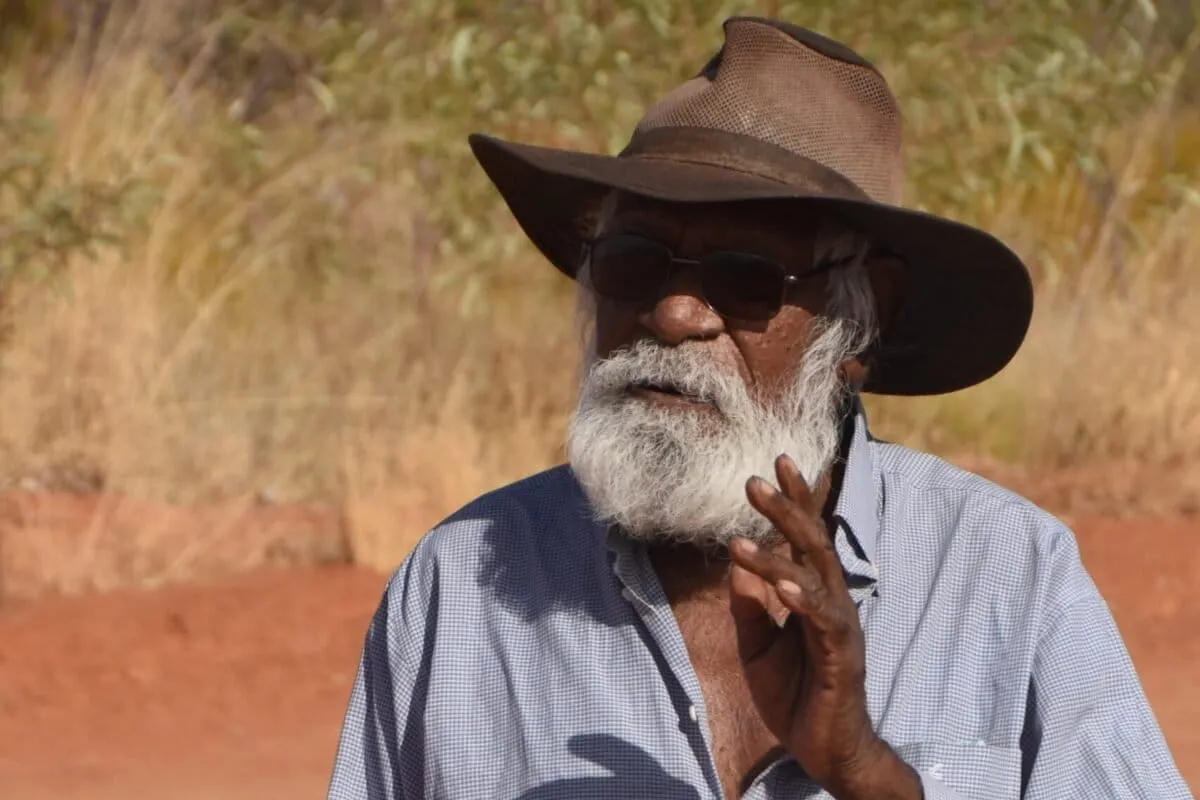
Start Your News DetoxProjects on the chopping block included those about the Holocaust, HIV in prisons, and Indigenous culture at national parks. The government tried to deflect, claiming ChatGPT was responsible for defining DEI. Judge McMahon, clearly not having it, compared their excuse to saying, "The devil made me do it." Which, if you think about it, is both impressive and slightly terrifying coming from a federal judge.
Meanwhile, Across the Atlantic...
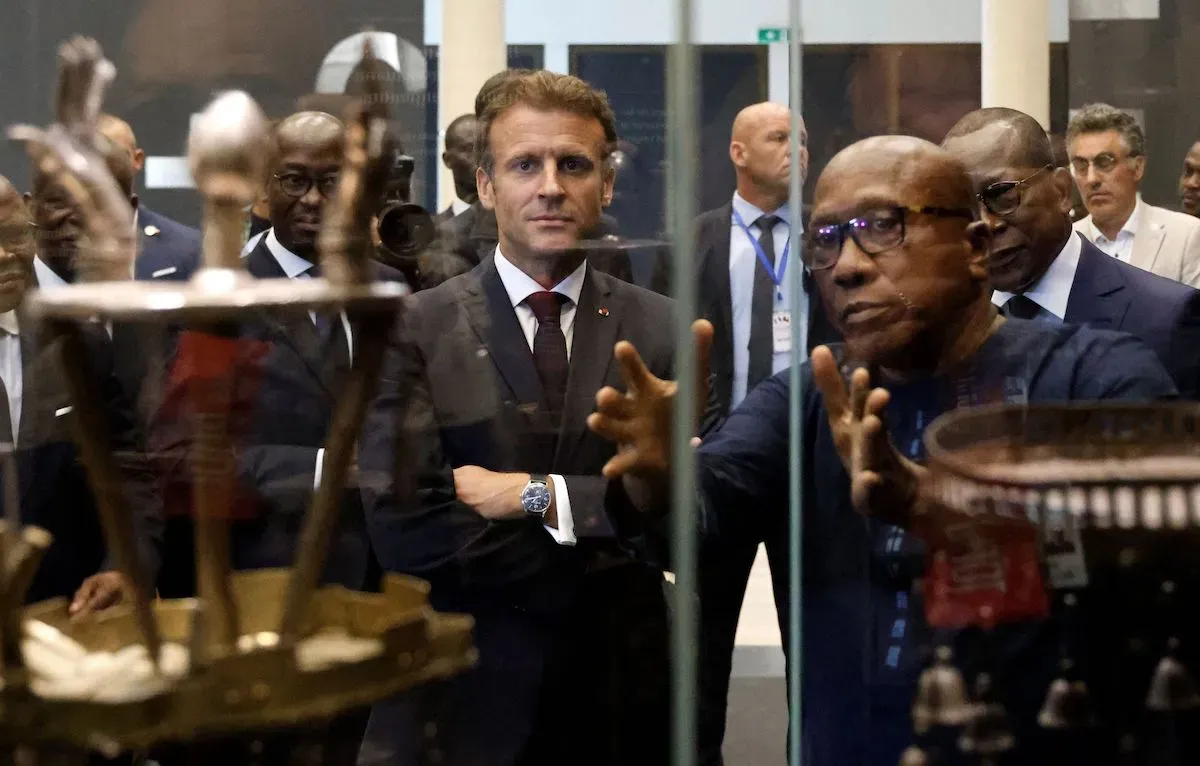
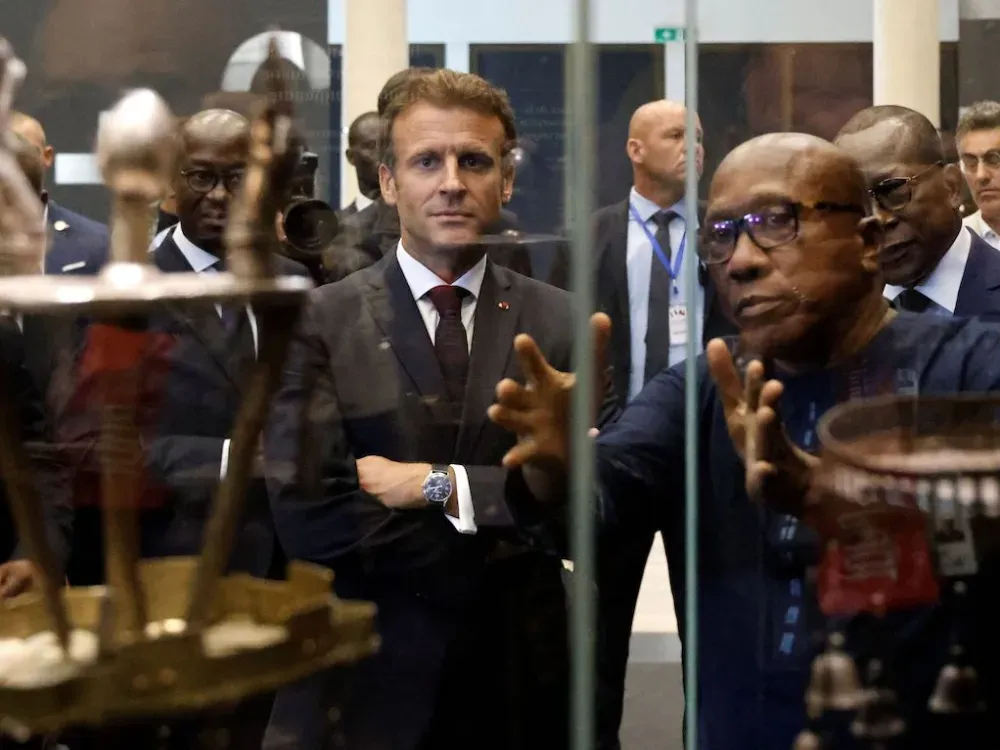
France's Parliament just unanimously passed a new law to streamline the return of artworks looted during the colonial era (1815-1972). This is the third such "framework law" and it's expected to take effect this month, making good on President Emmanuel Macron's 2017 promise to return African heritage. The goal? To smooth over some decidedly rough diplomatic edges with former colonies.
Previously, France had to pass a separate, excruciatingly slow law for each individual item they wanted to return. Now, two committees, including experts from both France and the requesting country, will review restitution requests. France’s highest administrative court gets the final say. Plus, museums are now required to actually research the origins of items in their collections. Imagine that.
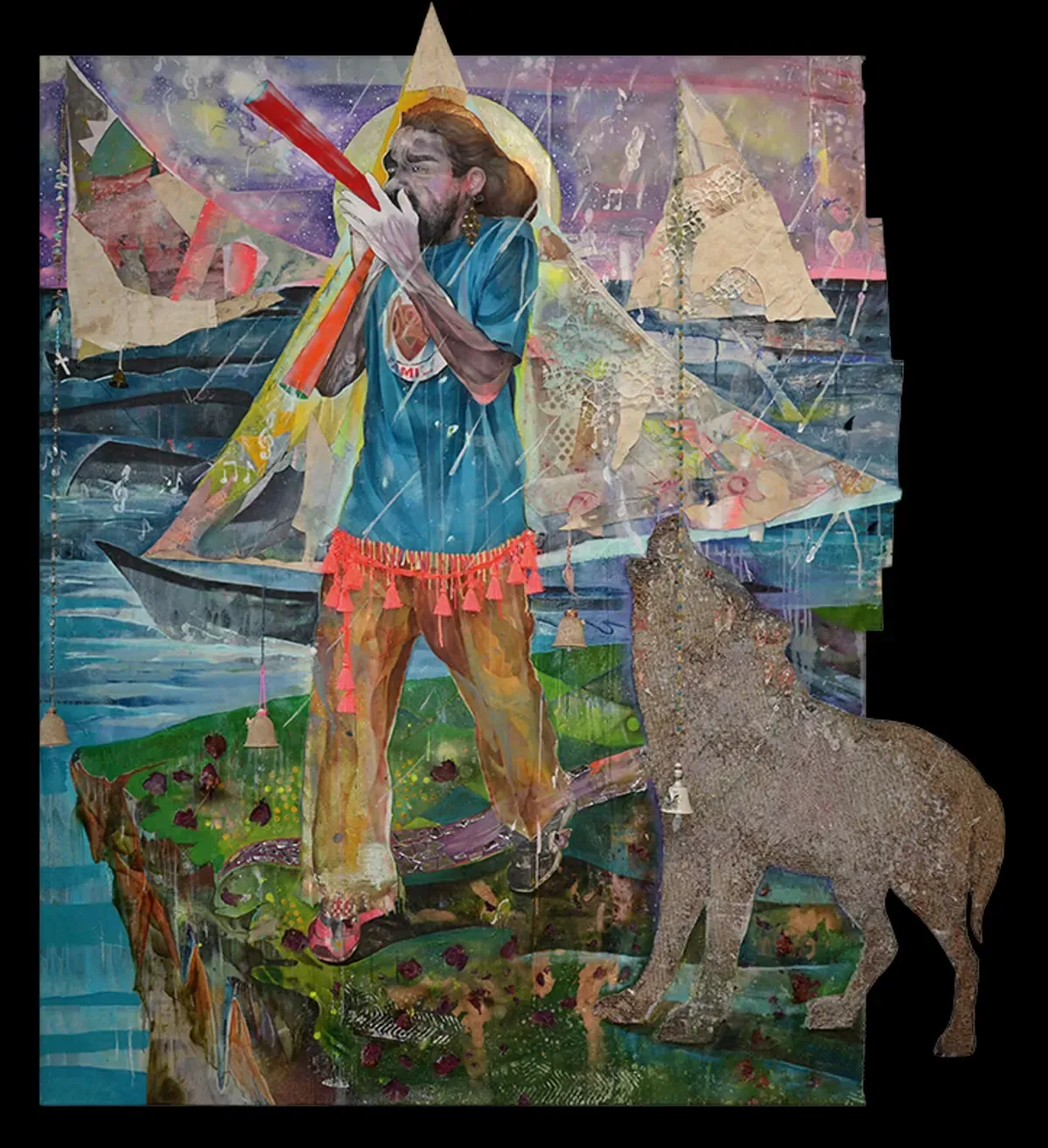
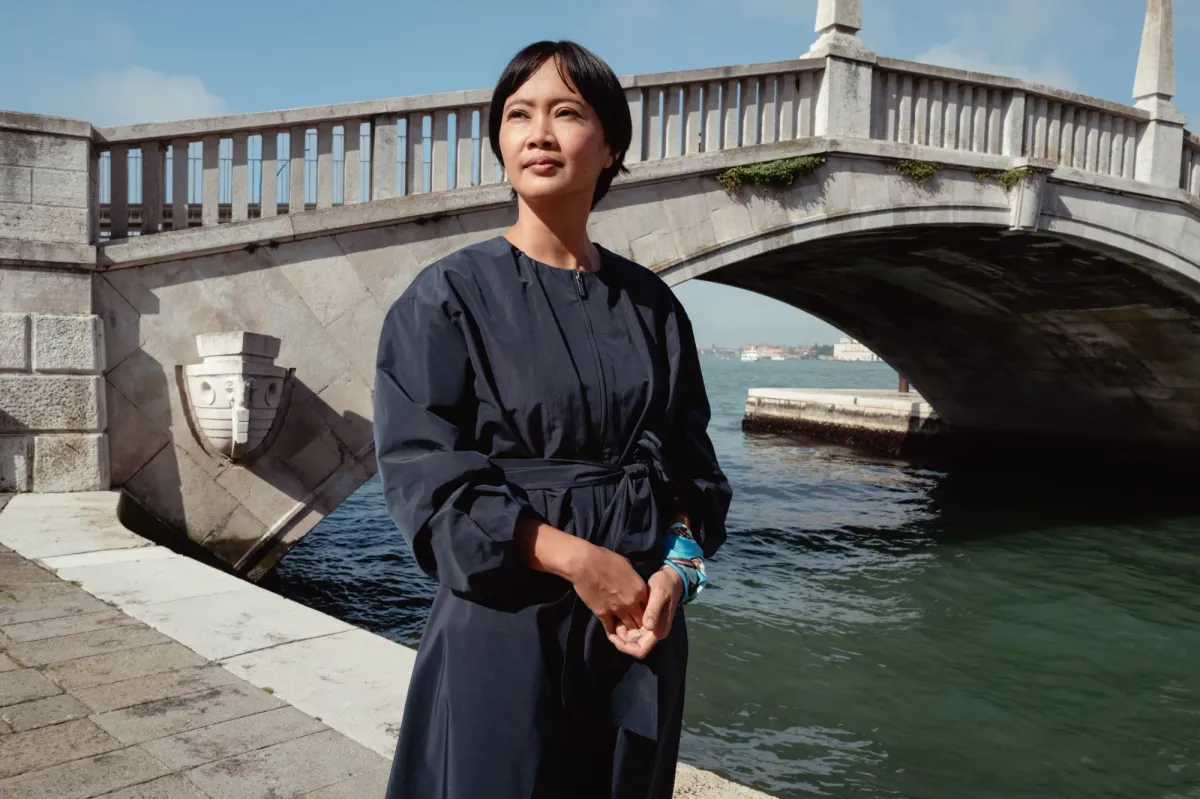
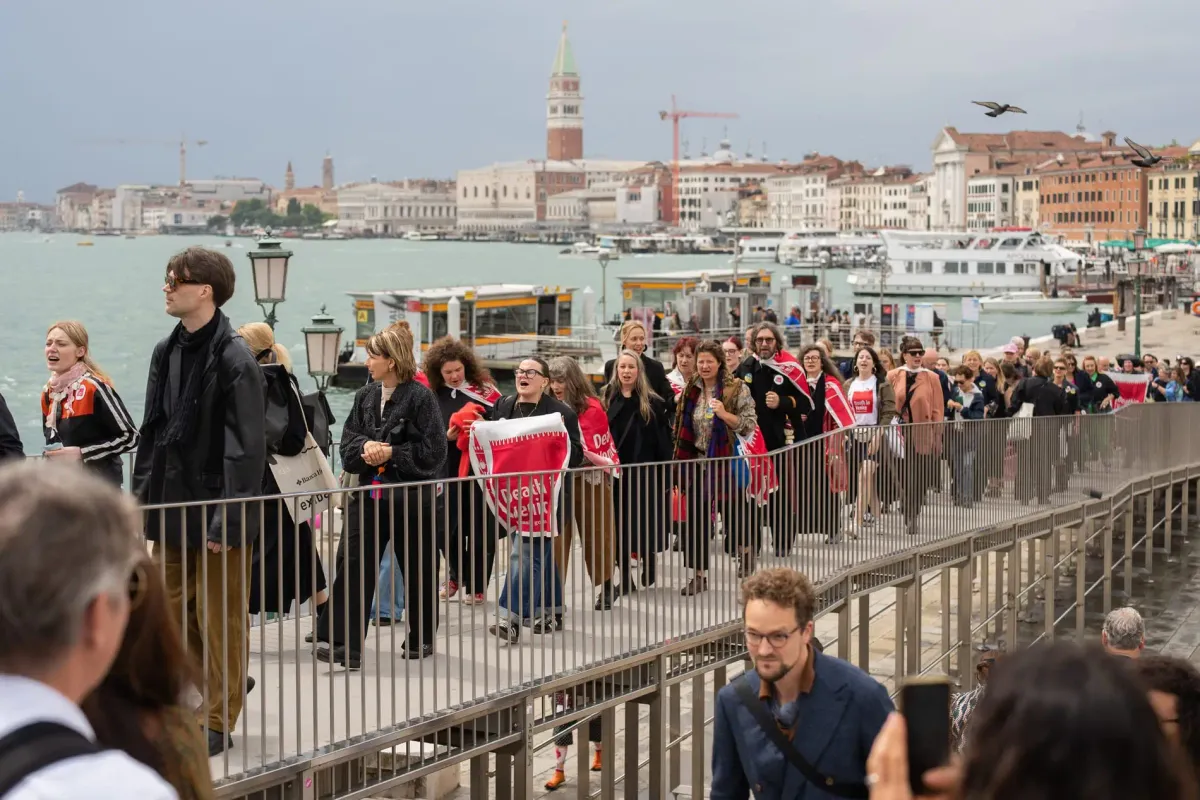
In other art world happenings, workers at the American Folk Art Museum in New York protested for better wages and benefits outside the museum’s annual gala. Indonesian artist Dian Suci snagged the 2025–27 Max Mara Art Prize for Women, and a restored Banksy mural, "Migrant Child," is set to tour Venice after being pried from a 17th-century palazzo.
And for a dose of pure whimsy, artist Shoji Yamasaki creates poetic performance art where he dresses as various pieces of litter he finds, then mimics their movements in the wind. Because why not?
Keith Haring's Unseen Works Surface
Before an upcoming auction on May 14 and 15, some never-before-seen, "intimate" works by the legendary Keith Haring are hitting the block. These pieces come from the collection of Kermit Oswald, Haring's childhood friend and the godfather to Oswald's son.
The collection, on display at Sotheby’s in New York, includes a bright yellow crib Haring painted for Oswald's son and a rare 1985 self-portrait—one of only six Haring is believed to have made. Oswald reminisced about "artistic pranks" and delivering newspapers with Haring, noting how Haring’s untitled works often mirrored newspaper headlines. Haring tragically died at 31 from AIDS-related complications, but apparently, there was never any rivalry between the two friends. As Oswald put it, "You don’t compete against your friends." A sentiment we could all probably use a bit more of.