Tanzania, apparently tired of playing nice, just canceled 40 mining exploration licenses. Another 43 are on thin ice. Why the sudden housecleaning? Because the government wants to turn its mining sector into something called "Mining for a Brighter Tomorrow" — which, if you think about it, is a pretty solid goal for any industry.
Minerals Minister Anthony Mavunde laid it out for journalists in Dodoma on April 15. The core issue? Companies sitting on vast tracts of land, doing precisely nothing with them. We're talking 900 square kilometers (about 350 square miles) that could be, well, anything else. Or, you know, actually mined.
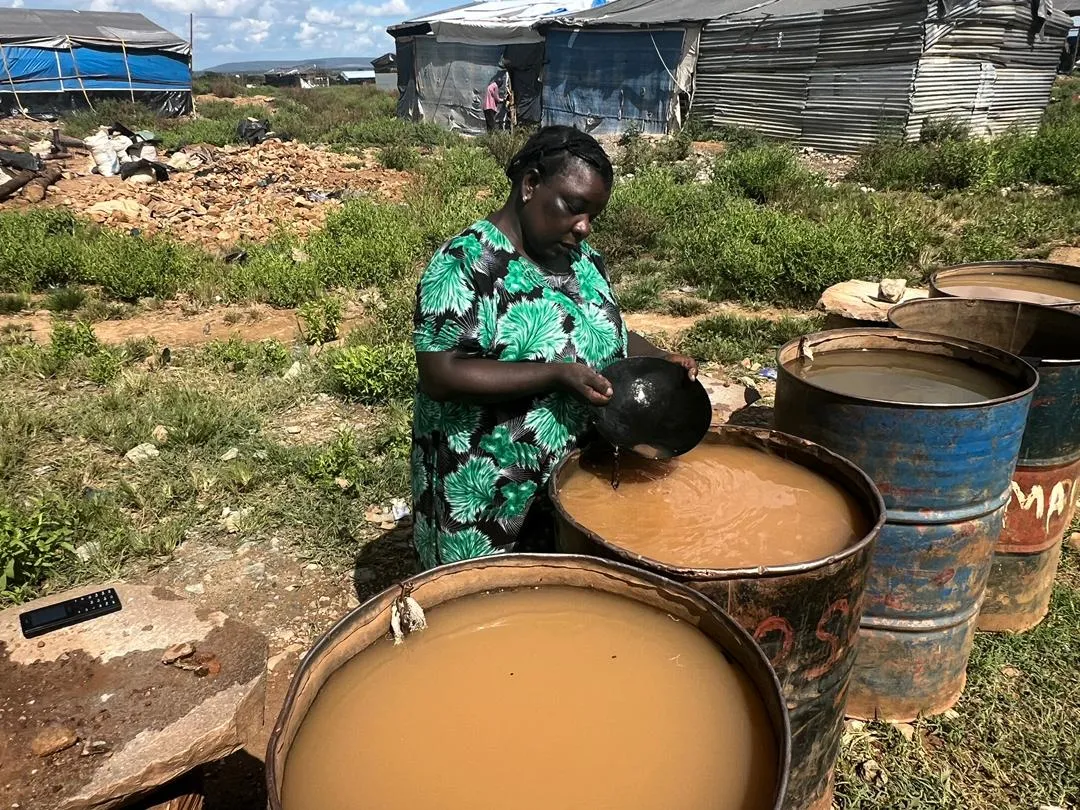
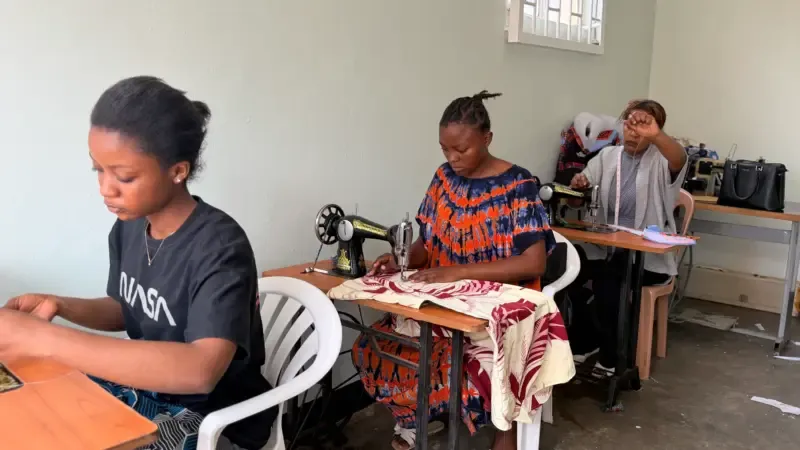
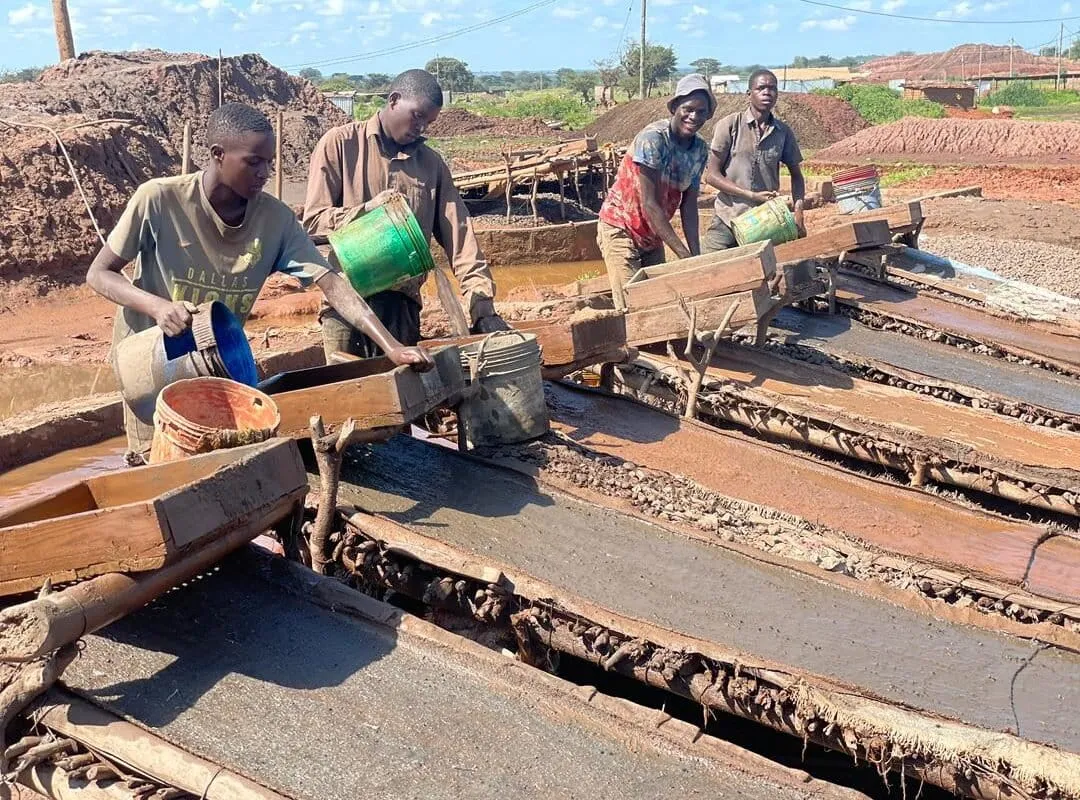
Now, here's the twist: the government isn't just taking the land back. They're planning to reallocate some of these prime mining areas to women, youth, and people with disabilities. Because apparently, the future of mining in Tanzania involves a lot more local faces, and a lot less corporate land-hoarding.
We're a new kind of news feed.
Regular news is designed to drain you. We're a non-profit built to restore you. Every story we publish is scored for impact, progress, and hope.
Start Your News DetoxAs Mavunde dryly observed, "Some investors hold land for many years without any meaningful investment. This wastes economic opportunities and causes environmental destruction and conflicts." Which, let's be honest, is a remarkably polite way of saying: Get off our lawn and actually do something.
Beyond the 'doing nothing' part, the canceled licenses also came with a rap sheet: unpaid fees, ignoring local content rules (meaning they weren't using Tanzanian goods, services, or labor), and generally shrugging off their corporate social responsibilities. Because apparently, just showing up isn't enough anymore.
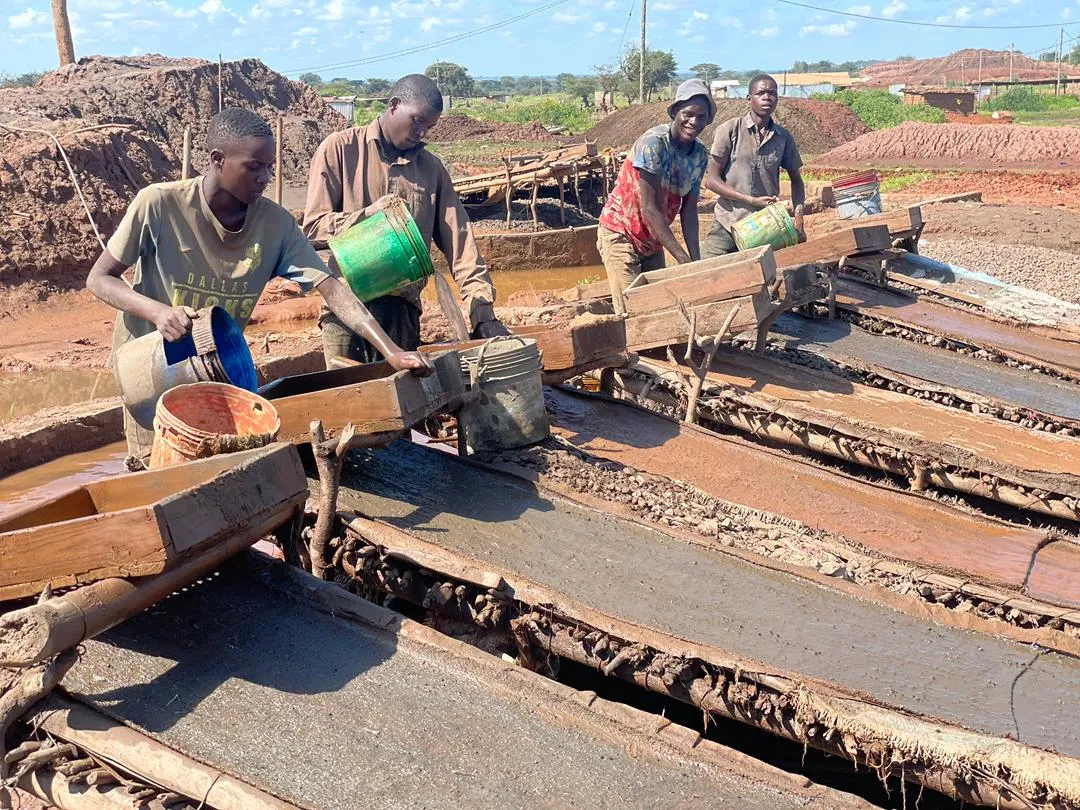
"We do not want to see our resources turn into a curse," Mavunde added, driving home the point that mining needs to play nice with environmental conservation. Experts chimed in, noting that these neglected sites often become havens for unregulated, environmentally disastrous mining operations. So, it's not just about economic opportunity; it's about not turning your country into a giant, unregulated sandbox.
It’s a bold move, shaking up an industry that often feels impenetrable, and suggesting that perhaps, just perhaps, the future of resource extraction can actually be, you know, inclusive.