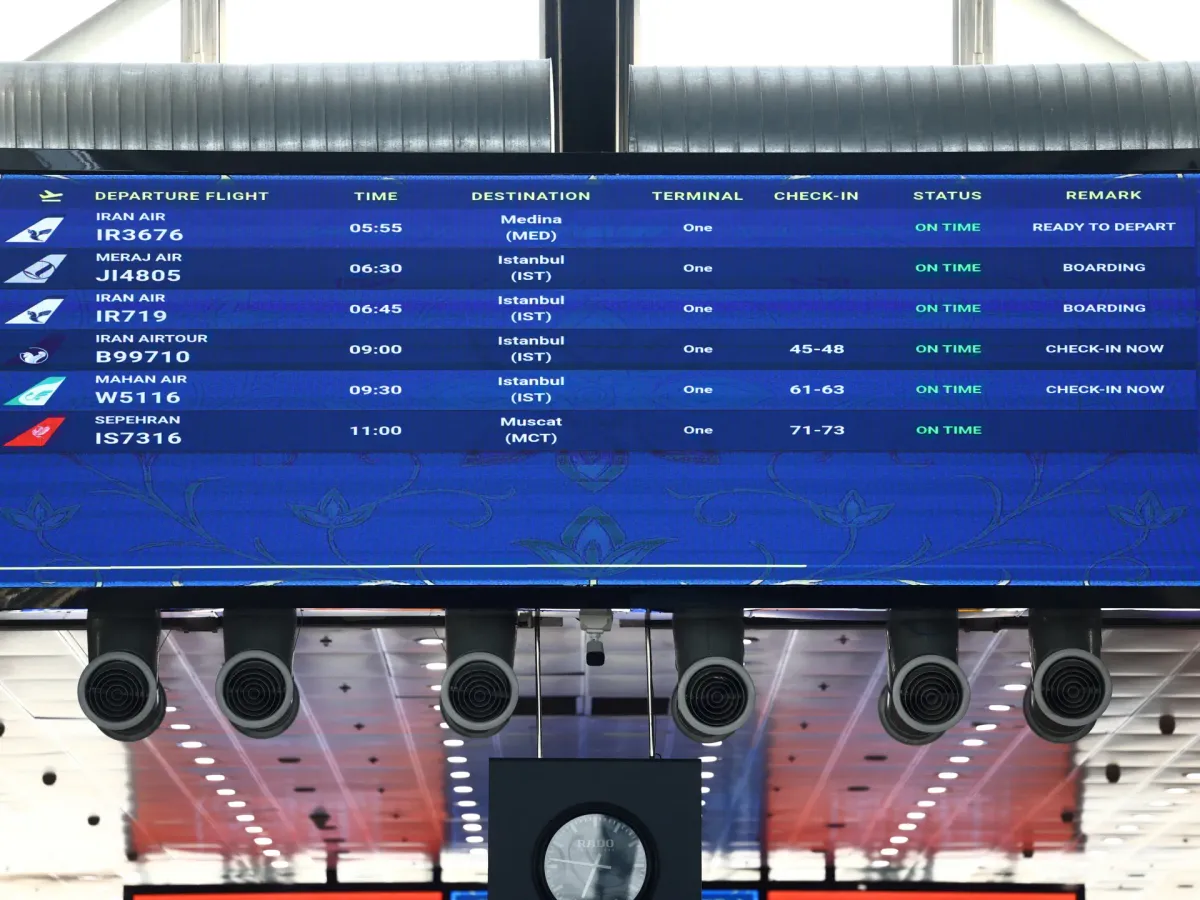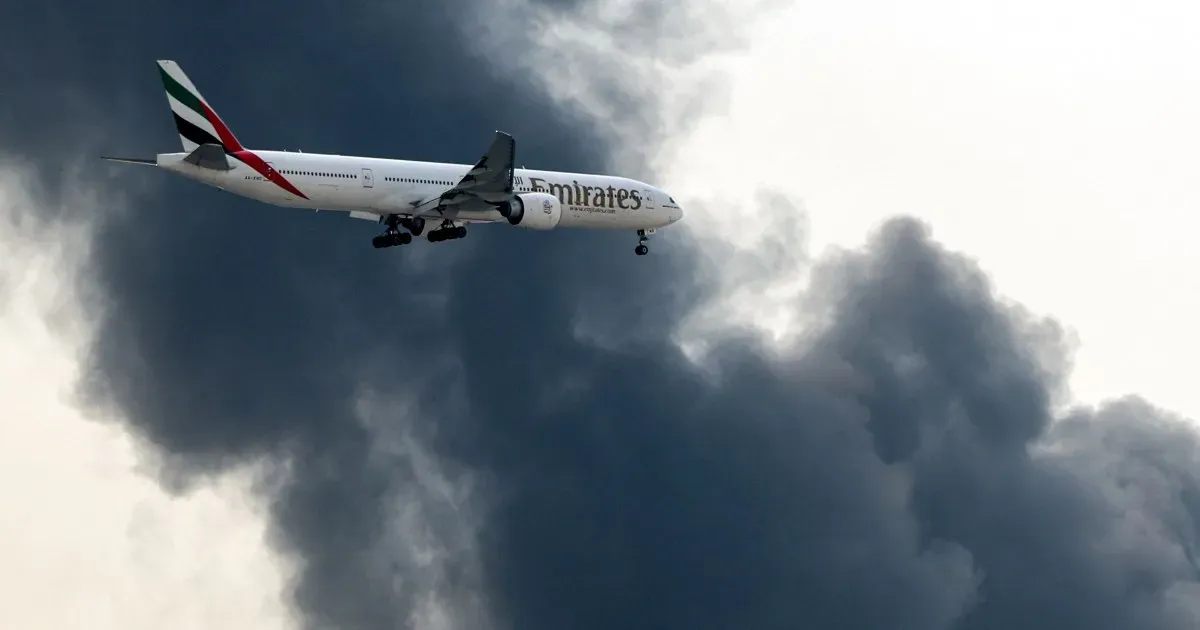
Good news for anyone who prefers their flight path to be a straight line: The United Arab Emirates has officially lifted all air traffic restrictions that had been lingering since the recent flare-up between the U.S., Israel, and Iran. Your plane can now fly straight over the UAE without doing any extra, fuel-burning pirouettes.
Starting Saturday, the country's civil aviation authority declared that all air operations are back to "normal status" in UAE airspace. Because apparently that's where we are now: the 'normal status' of post-conflict air travel.
The Return to Normal-ish
This is a rather large exhale for major hubs like Dubai and Abu Dhabi. Dubai, if you recall, generally holds the title for the world's busiest airport for international travelers. For weeks, they'd been operating under a cloud of restrictions, which is less than ideal when your entire business model relies on planes constantly arriving and departing.
We're a new kind of news feed.
Regular news is designed to drain you. We're a non-profit built to restore you. Every story we publish is scored for impact, progress, and hope.
Start Your News DetoxThe regional kerfuffle had effectively turned parts of the Middle East's skies into a no-fly zone, or at least a fly-with-extreme-caution zone. Iran's counterattacks led to vast swathes of airspace being closed, forcing long-haul flights between Europe and Asia to take some rather scenic, and costly, detours.
At one point, at least eight countries – including Iraq, Jordan, Qatar, Bahrain, Kuwait, and the UAE – announced full or partial airspace closures. Major carriers like Emirates, flydubai, and Etihad had to temporarily halt or suspend flights. According to aviation data firm Cirium, over 11,000 flights in and out of the region were canceled in the early days of the conflict. Let that satisfyingly large number sink in.
The UAE had initially declared a "temporary and partial" closure in late February, then began a gradual reopening in March. During that partial reopening period from March 1 to 12, UAE airports still managed to handle 1.4 million passengers and 7,839 air traffic movements. National carriers clawed their way back to 44.6% of normal operations. Which, if you think about it, is both impressive and slightly terrifying.
This full return to normal operations comes on the heels of a ceasefire, brokered by Pakistan last month. And it seems the region's aviation sector is slowly but surely getting its wings back. Qatar Airways, for instance, just confirmed it's resuming flights to three Iraqi cities starting May 10, alongside plans to serve over 150 destinations across six continents by mid-June. Because nothing says 'peace in our time' like a fully booked flight schedule.