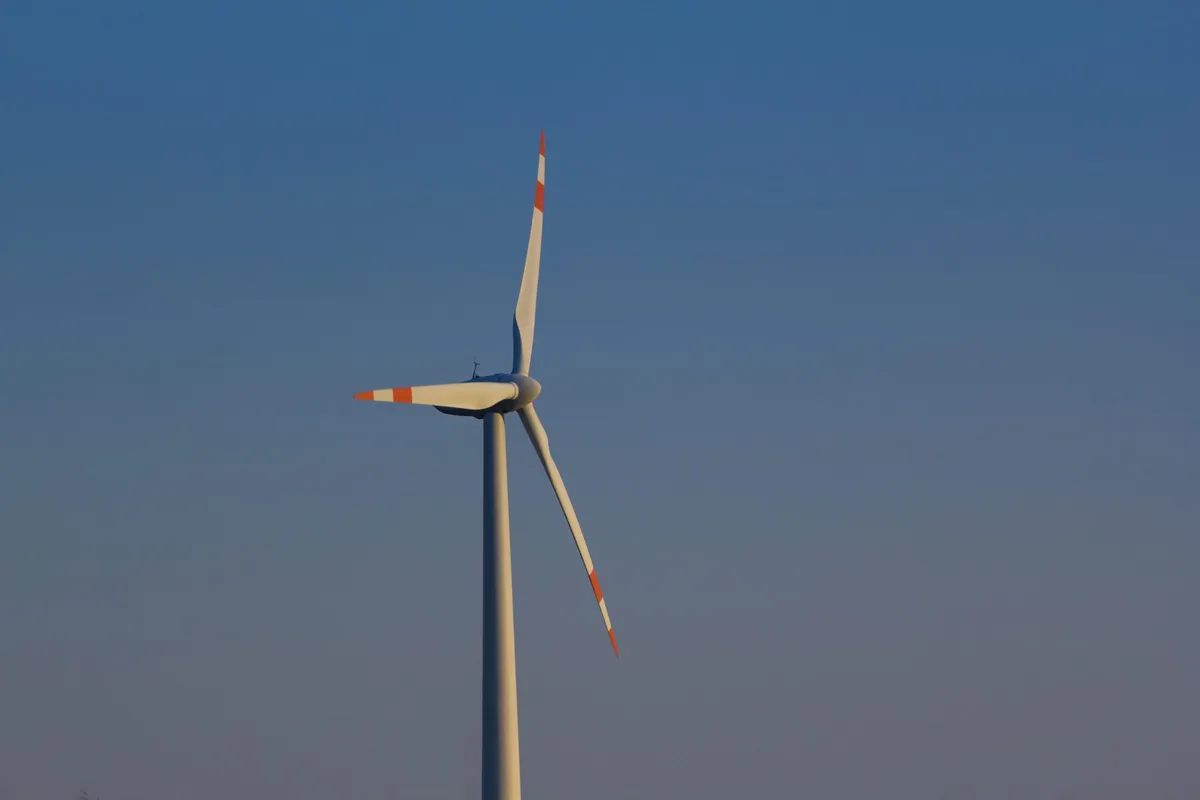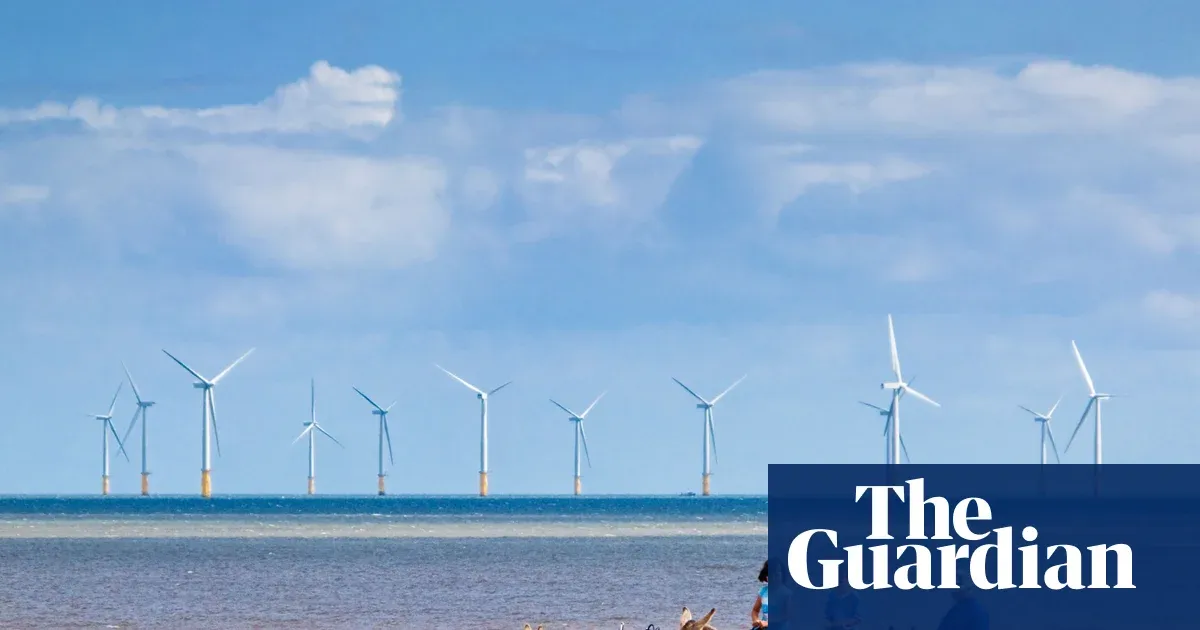
Great Britain just locked in enough new offshore wind capacity to power 12 million homes. Twelve energy companies won contracts in the country's most competitive renewable energy auction yet, bidding for the right to build and operate windfarms at guaranteed prices.
The winning bids came in at £89.49 to £91.20 per megawatt-hour in 2024 prices — above the current wholesale electricity market rate of around £81/MWh. But here's the counterintuitive part: more wind on the grid could still lower household bills. When wind farms generate power, they displace expensive gas plants from the market. That shift, even with higher subsidy costs, tends to pull the overall price down.
The Scale and the Stakes
The 8.4 gigawatts awarded represents the largest single procurement of offshore wind in British or European history. It's also a crucial stepping stone toward the government's 2030 target: quadrupling offshore wind capacity, tripling solar, and doubling onshore wind to create a near-zero-carbon electricity system in less than six years.
We're a new kind of news feed.
Regular news is designed to drain you. We're a non-profit built to restore you. Every story we publish is scored for impact, progress, and hope.
Start Your News DetoxEnergy Secretary Ed Miliband framed the result in terms of energy independence. "We've taken back control of our energy sovereignty," he said, emphasizing that Britain would no longer depend on markets shaped by petrostates and authoritarian regimes. It's a pragmatic argument wrapped in nationalist language — and it reflects a real shift in how governments now talk about renewable energy. It's not just about climate anymore. It's about resilience, cost, and geopolitical leverage.
The auction's success matters because the offshore wind sector has hit real headwinds. Supply chain inflation and rising interest rates have made multibillion-pound windfarm projects far more expensive to finance. Developers working in the US have also faced a deteriorating political climate. The question hanging over the industry is whether this auction signals genuine momentum toward 2030 targets or the beginning of a prolonged slowdown.
Alon Carmel, an offshore wind expert at PA Consulting, put it plainly: these results will tell us whether the sector can sustain the pace needed to hit the decade's goals.
The contracts are now in place. What happens next depends on whether supply chains stabilize, whether interest rates ease, and whether the political will in Westminster stays firm. The math is clear. The execution is what comes next.