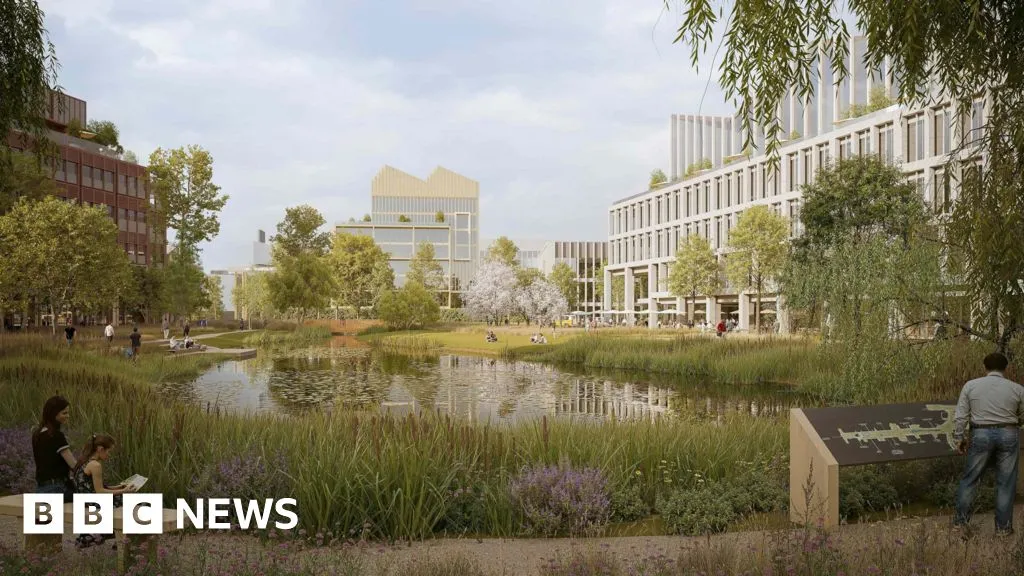
Cambridge Science Park has submitted plans for a major redevelopment. The project aims to create 20,000 new jobs and add public spaces.
The park, Europe's oldest, currently employs over 7,000 people. It focuses on developing new technologies and medicines. The proposed changes are expected to triple the park's economic output to £3 billion annually.
Expanding and Opening Up
Trinity College Cambridge, which founded the park in 1970, is funding the proposals with its leasehold partners. Dame Sally Davies, Master of Trinity College, emphasized that a key goal is "opening up the new Park of Science to the young people and families of Cambridge and the towns and villages around."
We're a new kind of news feed.
Regular news is designed to drain you. We're a non-profit built to restore you. Every story we publish is scored for impact, progress, and hope.
Start Your News DetoxThe plans involve increasing the built space from 2.8 million to 8 million square feet. Despite this expansion, the project aims to keep green spaces and public areas. The college wants to ensure that this growth benefits everyone in Cambridge, Peterborough, and nearby areas.
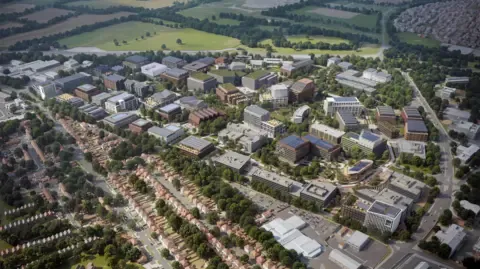
Benefits would include more jobs in fields like construction, gardening, human resources, and science. The plans also promise improved bus links, cycling routes, better flood resilience, and biodiverse landscaping.
The park, already open to the public, would feature outdoor exhibits and an open-air museum. It would also strengthen its connections with the Cambridge Science Centre, which promotes participation in STEM subjects.
A Hub for Innovation and Community
Rebecca Porter, CEO of Cambridge Science Centre, expressed excitement about the opportunities. She noted that Trinity College's support helped the center reach over 30,000 people in 2025. This includes outreach to nearly 1,400 pupils in Wisbech.
Porter highlighted the park's unique location near world-leading research. This allows the center to translate "real-time innovation into accessible experiences for families and schools."

Roland Sinker, chair of innovation and growth at the University of Cambridge, called the plan "a strong vote of confidence in the UK as a science and technology leader." He believes it will create thousands of high-quality jobs and contribute billions to the national economy. This will help ensure future breakthroughs are developed in the UK.
The Greater Cambridge Shared Planning Service will now consider the application.