In a move that could only be described as a geopolitical chess match played with crude oil, Ukraine has restarted the flow of Russian oil to Europe. This unexpected thaw in pipeline relations has, in turn, unblocked a whopping €90 billion ($106 billion) loan from the European Union to Ukraine.
Yes, you read that right. European diplomats in Brussels gave their initial nod to the massive financial aid package just as the Druzhba pipeline, carrying Russian oil, began humming again towards Hungary and Slovakia. Because apparently, that's where we are now: international finance hinged on the steady gush of fossil fuels.
The Irony of "Friendship" Oil
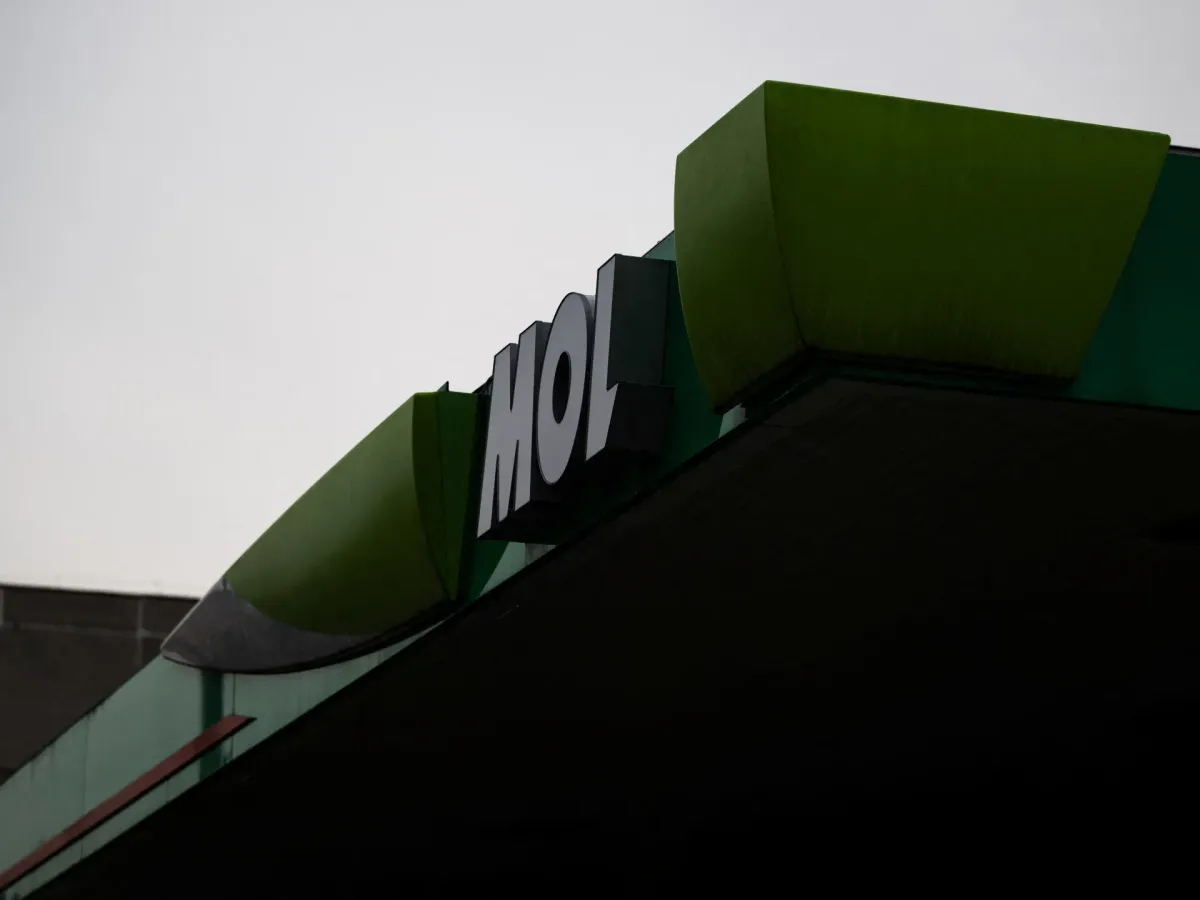
For a while there, Hungary and Slovakia were pointing fingers, accusing Ukraine of dragging its feet on pipeline repairs. Now, both nations are eagerly awaiting their first oil shipments. Hungary's oil group MOL confirmed the flow, and Slovakia's Economy Minister, Denisa Sakova, expected deliveries bright and early. Ukrainian President Volodymyr Zelenskyy had previously mentioned the pipeline took a hit from Russian attacks back in January.
We're a new kind of news feed.
Regular news is designed to drain you. We're a non-profit built to restore you. Every story we publish is scored for impact, progress, and hope.
Start Your News DetoxOnce the oil started moving, Hungary, which had previously vetoed the loan, suddenly found its objections... well, flowing away. The 27 EU member states are now expected to rubber-stamp the loan by Thursday. Let that satisfying number sink in: €90 billion.
This loan, originally agreed upon last year to help Ukraine through 2026 and 2027, had been held hostage by Hungary's outgoing Prime Minister Viktor Orban and the Slovak government. Orban, known for maintaining a surprisingly chummy relationship with Russia since the 2022 invasion, had been a consistent thorn in the EU's side. Ukraine's financial prospects brightened considerably when Orban lost Hungary’s parliamentary election on April 12. The incoming leader, Peter Magyar, has stated he won't block the funds for Kyiv.
Solving this oily stalemate means Brussels can finally start cutting checks, providing much-needed financial oxygen to Ukraine, especially as Washington's support wavers. Though, Slovak Prime Minister Robert Fico, a man who knows a thing or two about disagreeing with Kyiv and Brussels, offered a dry observation: he "would not be surprised if the 90-billion loan were unblocked and then oil supplies were cut off again." Because, you know, trust but verify, especially when oil and billions of euros are involved.
Adding to the diplomatic dance, EU countries are also on the verge of approving new sanctions against Russia. These, too, were held up by Hungary and Slovakia during the pipeline kerfuffle. This marks the 20th round of economic penalties from the EU since the war began, targeting Russia’s energy, banking, and trade sectors. The Druzhba pipeline, by the way, translates to "friendship" in Russian. Which, if you think about it, is both impressive and slightly terrifying given its role in all of this.