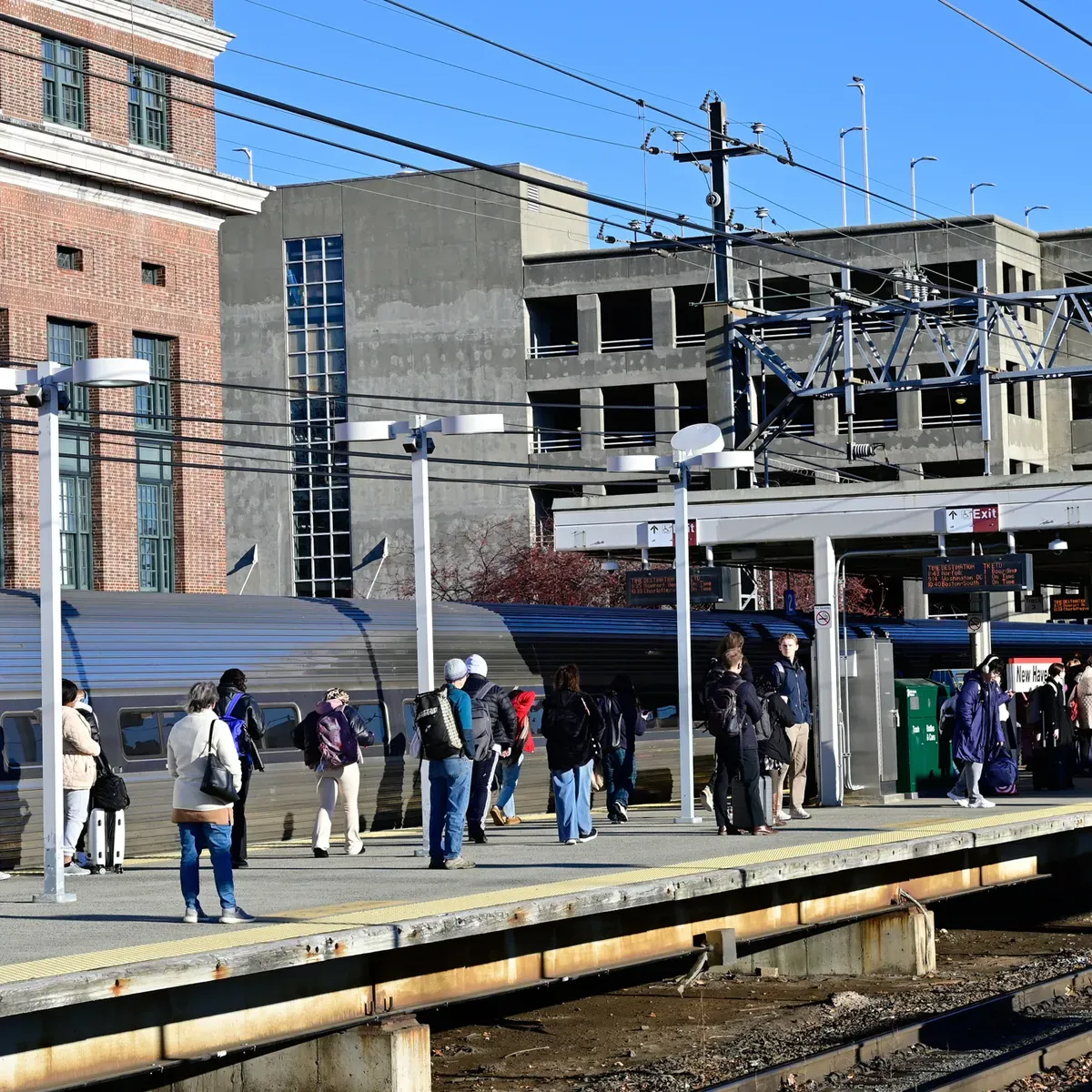
Good news for anyone who's ever wondered if Amtrak's long-distance trains were actually time machines from the 1970s: a serious cash infusion is heading their way. The U.S. Department of Transportation is dropping a cool $4.7 billion into the Northeast Corridor, with another $2 billion up for grabs to modernize rail projects across the country.
This isn't just pocket change. This is the 2021 Infrastructure Investment and Jobs Act finally flexing its muscles, promising to revamp everything from track speed to the actual seats you'll be sitting in. Because apparently, that's where we are now: the future of train travel is funded by a bill passed three years ago.
Separately, Amtrak is clearly tired of its 50-year-old fleet looking like museum pieces. They've put out the call for bids on brand-new rail cars for their long-distance routes. Get ready to say goodbye to those charmingly dated double-deckers and hello to sleek, single-level vehicles.
We're a new kind of news feed.
Regular news is designed to drain you. We're a non-profit built to restore you. Every story we publish is scored for impact, progress, and hope.
Start Your News DetoxPenn Station, Meet Your Future
The first wave of this federal funding is targeting some heavy hitters: New York Penn Station and Washington Union Station. If you've ever navigated either of those, you know they could use a refresh. The DOT even took over the Penn Station project last year, which, if you think about it, is both impressive and slightly terrifying.
Federal Railroad Administrator David Fink quite accurately called the Northeast Corridor "the busiest and most complex rail line in America." And with good reason: it hauled 15.2 million passengers in fiscal year 2025. The plan is to increase train frequency, boost speeds, and maybe even launch some entirely new services. Because who doesn't love getting where they're going faster?
A Fresh Set of Wheels
The other chunk of change, the CRISI grants, are all about making rail travel smoother, safer, and more accessible. Think less congestion, better connections to bus services, and fewer awkward moments at highway-rail grade crossings. It’s about giving both suburbs and rural communities the kind of modern infrastructure they actually deserve.
Sean Jeans-Gail of the Rail Passengers Association fully expects states to jump on this. There's apparently a "strong demand" from local governments to get their rail game up to snuff. Which makes sense — trains are fantastic, when they work.
Amtrak is aiming to replace its entire long-distance fleet with over 800 new rail cars, spread across 14 routes. Amtrak President Roger Harris has committed to getting the first of these new cars on the tracks by the early 2030s. The initial investment for this massive upgrade? A cool $7 billion, also courtesy of the IIJA. Let that satisfying number sink in.