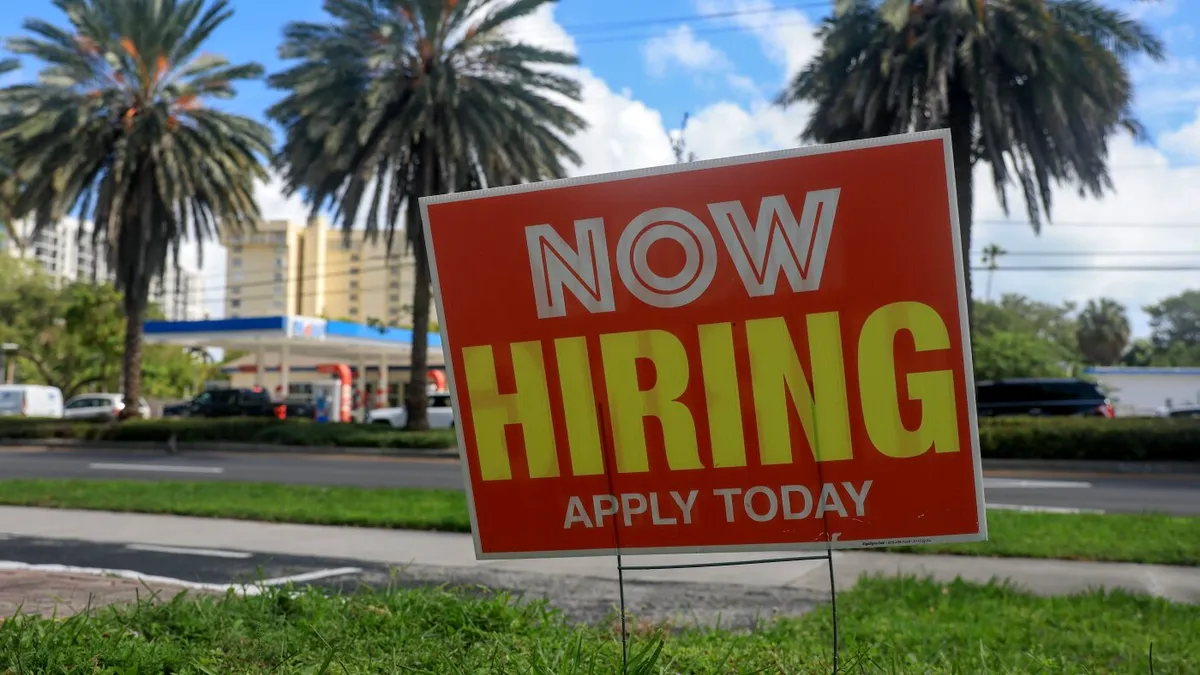
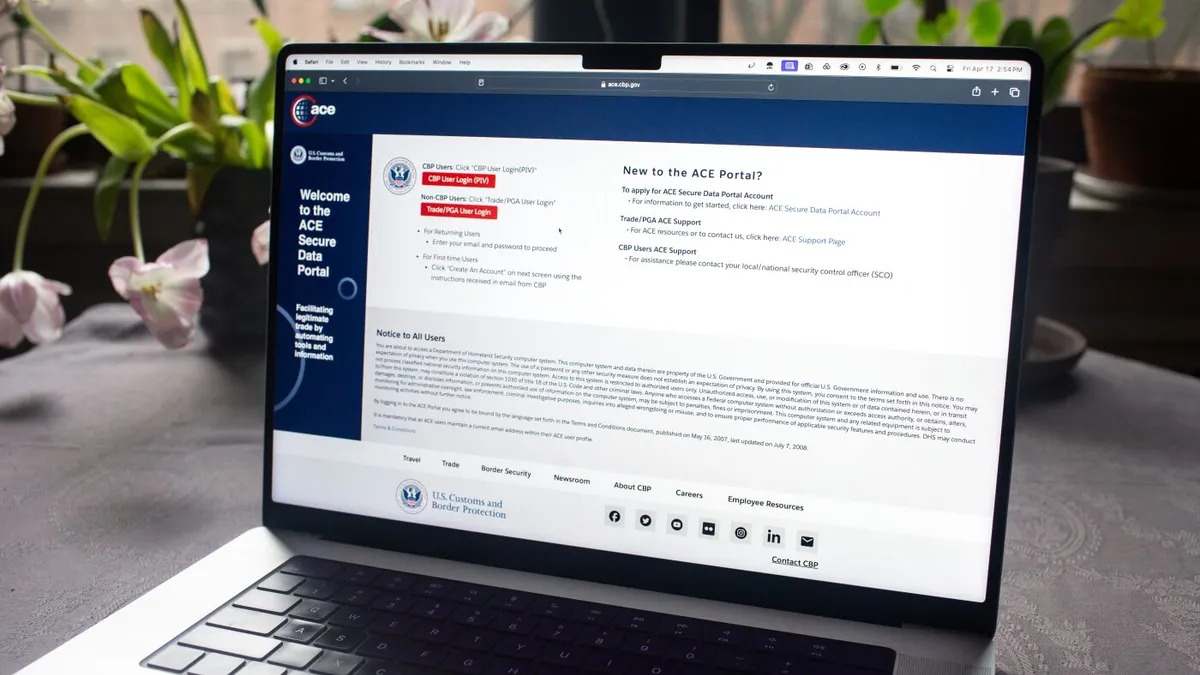
Get ready for a digital stampede. On Monday, the U.S. Customs and Border Protection portal is set to become the most popular website you've never heard of. Why? Because it's finally opening the floodgates for businesses to claim their share of a cool $166 billion in tariff refunds. Yes, billion.
This isn't just any refund. This is for tariffs imposed by the Trump administration that the Supreme Court later, rather decisively, ruled unconstitutional. So, after weeks of impatient foot-tapping, businesses are finally getting their shot at getting back money they shouldn't have paid in the first place.
The Great Refund Rush Begins
The initial phase of this digital gold rush won't cover every single item ever taxed, but it's a mighty start. Once a request is approved, businesses can expect to see their money within 60 to 90 days. Which, when you consider the alternative was no money at all, sounds pretty good.
We're a new kind of news feed.
Regular news is designed to drain you. We're a non-profit built to restore you. Every story we publish is scored for impact, progress, and hope.
Start Your News DetoxGovernment officials initially braced for a logistical nightmare, but it seems they've found a way to make it happen. Main Street Alliance, a small business advocacy group, called it a "major victory." Which it is, especially for the 127 billion dollars owed to the majority of eligible importers who've already signed up for electronic payments. Let that satisfying number sink in.
Who Actually Gets the Cash?
Now, for the million-dollar (or rather, $166 billion-dollar) question: Will consumers see any of this money? Experts are giving a collective shrug, mostly. Tariffs get baked into product prices like a hidden ingredient, making it incredibly difficult to isolate what customers actually paid.
Manufacturers, suppliers, importers, retailers, and you, the shopper, often ended up sharing the burden. Many companies claim they absorbed a good chunk of the costs themselves, just to avoid jacking up prices even more during those delightful inflation spikes.
Joe Kimray, who owns B & W Hardware in North Carolina, is a prime example. He paid tariffs indirectly through higher wholesale prices. His plan? Chat up manufacturers and see if they're feeling generous enough to share some of that refund love, perhaps through future discounts. Because apparently, that's where we are now.
Some shoppers aren't waiting for generosity. They've launched class-action lawsuits against big names like Costco and FedEx. FedEx, to their credit, has promised to pass on any refunds. Costco's CEO went a step further, vowing to return money to shoppers through "lower prices and better values." Which, if you think about it, is both impressive and slightly terrifying for their accounting department.
This initial wave of refunds focuses on payments still under federal review. But fear not, older, finalized payments will eventually get their due as the government continues to build out its new CAPE system. Because nothing says "efficient" like a brand-new government refund system.