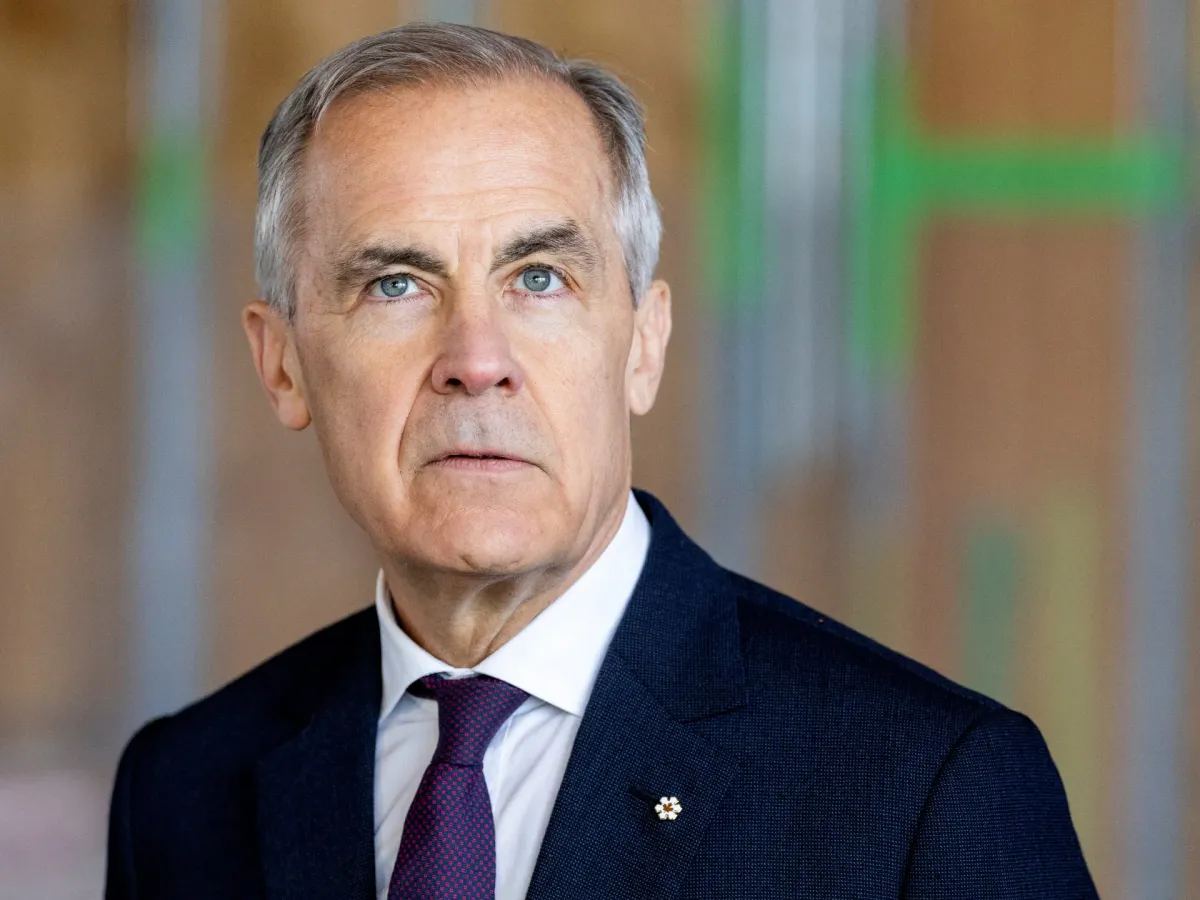
Canadian Prime Minister Mark Carney just pulled off the political equivalent of finding your car keys in the last place you'd look: he secured a parliamentary majority. After months of relying on the opposition to get anything done, his centrist Liberal government now holds 174 of the 343 seats in the House of Commons, thanks to three crucial by-election wins this week. That means no more asking nicely.
His immediate response to this newfound power? A temporary suspension of the federal fuel excise tax on petrol and diesel. Because, apparently, that's what a majority government does when voters trust them with the economy. From April 20 to September 7, Canadians can expect to save about 10 cents per litre on gas and four cents on diesel. Which, if you think about it, is both impressive and slightly terrifying in its immediate impact.
Carney, a former governor of both the Bank of Canada and the Bank of England, framed it as a "responsible measure" to ease the burden of rising prices. He also noted it'll cut operating costs for truckers and businesses in pretty much every sector you can imagine, from food to housing to delivery. Because nothing says "we're in charge now" like making it cheaper to haul groceries.
We're a new kind of news feed.
Regular news is designed to drain you. We're a non-profit built to restore you. Every story we publish is scored for impact, progress, and hope.
Start Your News DetoxThe Tent Gets Bigger (and Angrier)
Before these by-election results even rolled in, Carney had already been padding his numbers. Five Members of Parliament (MPs) had switched allegiance to the Liberals in the past five months, four of them ditching the Conservative party. It turns out, when you're seen as a financially skilled hand in turbulent economic times, the "Liberal tent" starts looking pretty cozy.
One such defector, long-time Conservative Marilyn Gladu, openly thanked Carney for welcoming her last week, citing the need for a "serious leader" amidst economic uncertainty. Because nothing says "unity" like your political opponents joining your side en masse, much to the chagrin of their former party.
Conservative leader Pierre Poilievre, naturally, was not amused. He accused the Liberals of securing their majority through "backroom deals" and a "cynical power grab," rather than genuine voter support. He also pointed out that while Carney was busy consolidating power, Canada ended up with the worst grocery and housing prices in the G7. Which, if true, is quite the multi-tasking feat.
Despite the political jabs, analysts suggest Carney's majority reflects a growing voter confidence in his economic management. Polling data from Nanos shows more than half of Canadians prefer Carney as prime minister, compared to a mere 23% for Poilievre. It seems that in tough times, people prefer a competent manager over, well, other options.
Canada hasn't seen a Liberal majority since Justin Trudeau's win in 2015. Now, with Carney at the helm and a clear path forward, it seems the country is ready for a leader who can not only handle economic turmoil but also, apparently, make your commute slightly less painful.