Picture this: nine of the biggest, busiest metropolitan areas in the U.S. — from San Francisco's tech hubs to Washington D.C.'s corridors of power — decided to put their collective heads together and send a very polite, but very firm, memo to Congress. Their message? Let's keep the transportation money flowing, and maybe speed things up a bit, shall we?
The Metropolitan Civic Leadership Alliance, a formidable group of business-led civic organizations, just dropped its wishlist for future transportation laws. And it's exactly what you'd expect when a bunch of city leaders get serious about moving people and goods: more money, less red tape, and trains that actually, you know, go places.
Kathy Hollinger, CEO of the Greater Washington Partnership, pointed out that the 2021 Infrastructure Investment and Jobs Act was pretty good to them. Now, they'd like to stay in the room where it happens, thank you very much, when it comes to the next round of blueprints. Because apparently, cities like having functional roads and bridges.
We're a new kind of news feed.
Regular news is designed to drain you. We're a non-profit built to restore you. Every story we publish is scored for impact, progress, and hope.
Start Your News DetoxThe Wishlist: What Cities Want Next
Their eight priorities are a masterclass in pragmatic urban planning. First up: use transportation cash to actively juice the economy. This means funding everything from your daily commute on public transit to the bridges that haven't seen an upgrade since disco was king.
Then there's the universal groan-inducer: slow approvals. The Alliance wants to cut the delays and costs that come from endless paperwork, making it easier to actually start and finish projects. Because who doesn't love a project that actually finishes?
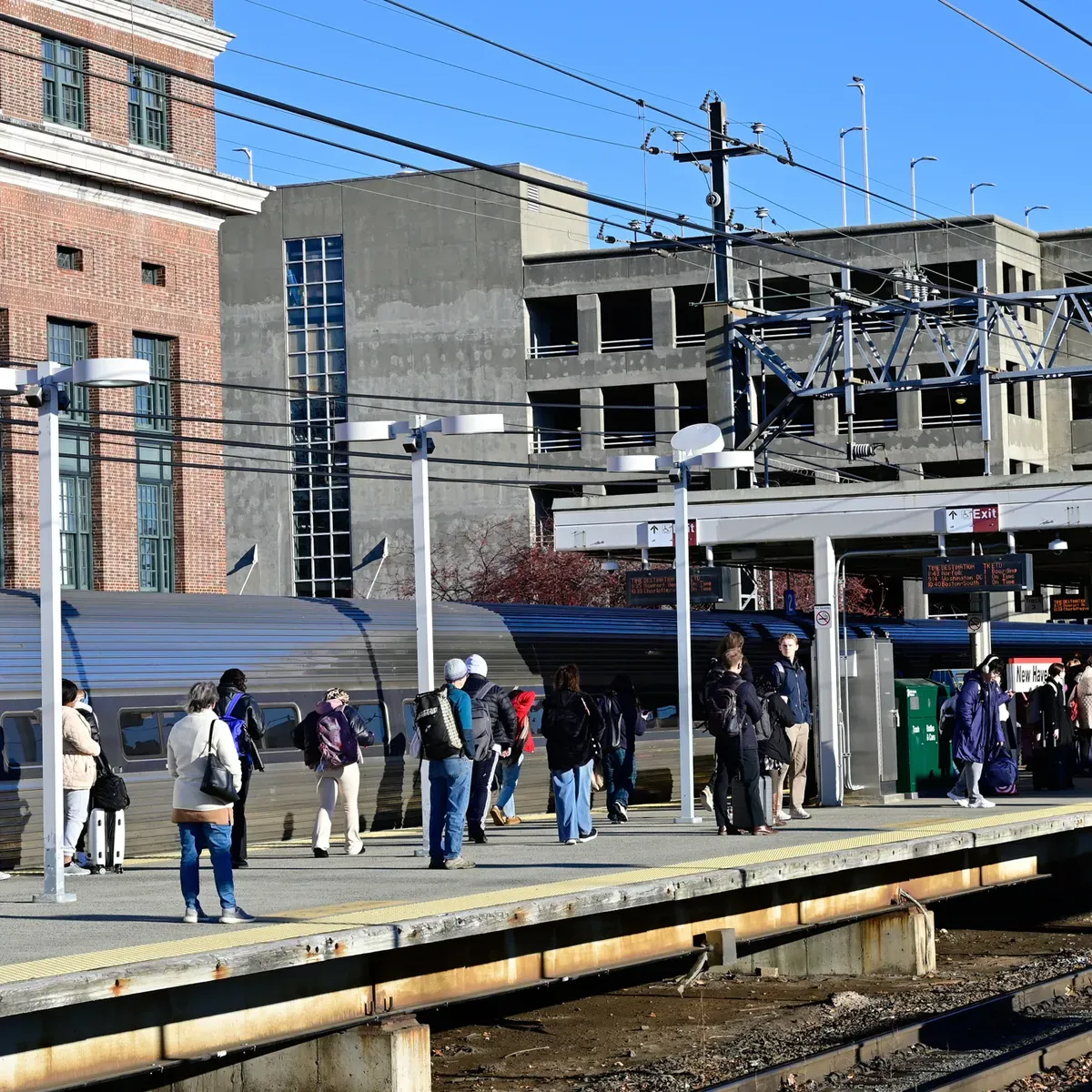
They're also big on trains, particularly intercity and commuter rail. Think big-ticket items like the Hudson Tunnel and San Francisco's Caltrain extension, alongside continued federal grants for passenger rail. Because sometimes, you just want to get from Point A to Point B without a single-occupancy vehicle.
Keeping public transit safe and effective is also high on the list, suggesting federal grants and giving cities the freedom to cook up their own local solutions. And to combat the ever-growing headache of traffic, they're proposing new programs like HOV lanes, toll roads, more public transit options, and multi-use trails. Because apparently, more cars aren't always the answer.
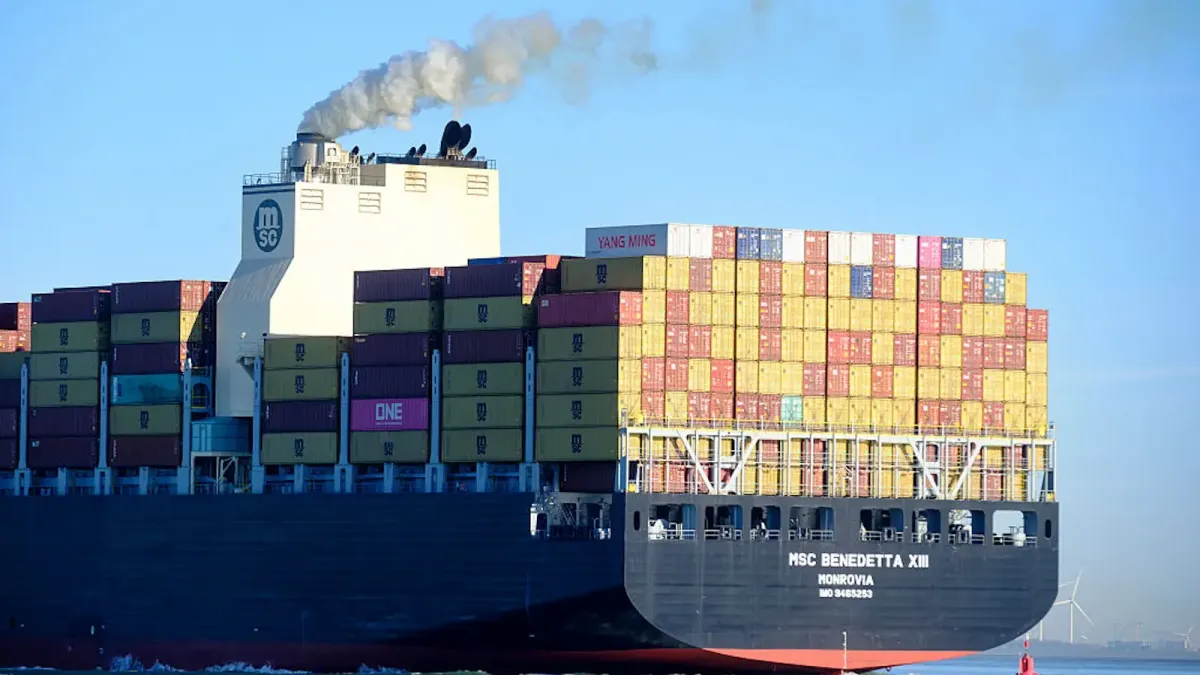
They also want to encourage development around transit hubs, which means less red tape for funding and using federal programs to lure in private investment. Plus, a shout-out for urban freight networks — the rail, ports, roads, and aviation infrastructure crucial for trade. You know, the stuff that gets your online orders to your door.
Finally, they're pushing for stronger support for major airports, suggesting expanded access to a federal financing program. Because nothing says economic vitality like an airport that isn't actively falling apart.
Derek Douglas, president of the Civic Committee of the Commercial Club of Chicago, summed it up: Congress needs to empower these metropolitan areas. Give them the freedom to innovate, grow, and actually make the most of those federal funds. Which, if you think about it, is both impressive and slightly terrifying in its common sense.