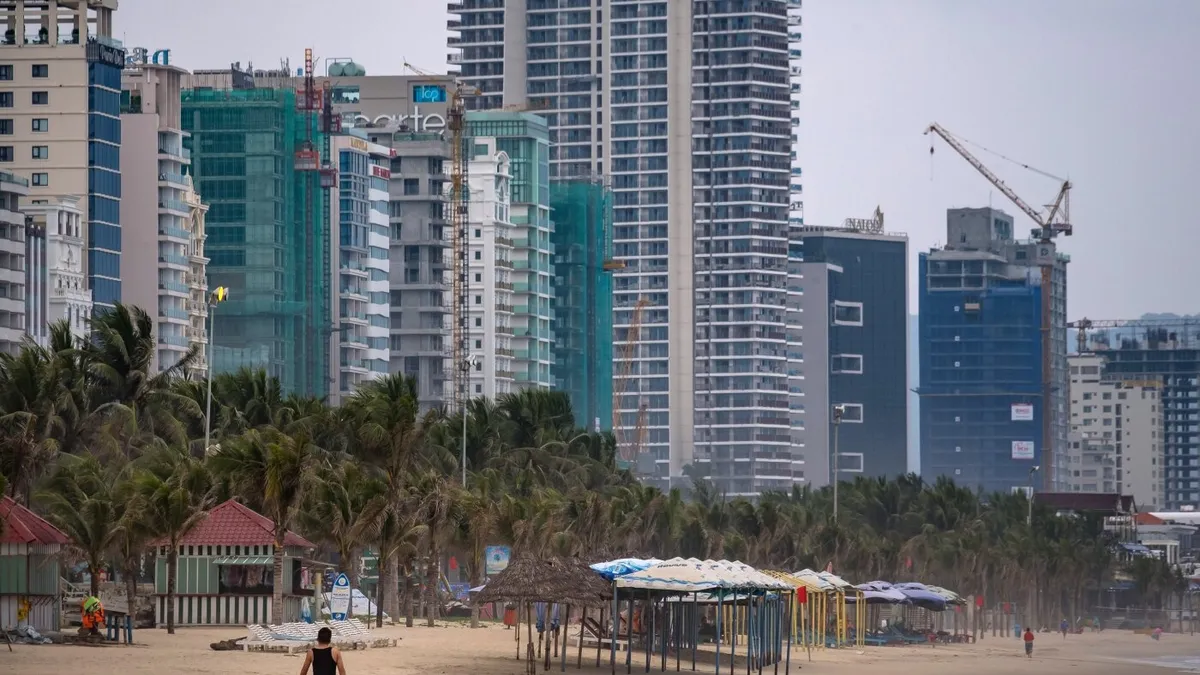
Chad Dunn once worked long hours at a Hyundai plant in Georgia. He felt stressed and unfulfilled. Now, he lives in Da Nang, Vietnam, and helps other Americans move there.
Dunn's relocation business grew from his own positive experience. Many of his clients find him through his TikTok videos, which show his daily life abroad. They then ask him how they can make the move too.
Why Americans are Moving to Southeast Asia
Surveys show Vietnam and Thailand are popular for their affordability and quality of life. The number of Americans in Southeast Asia has grown from about 32,000 in 1990 to nearly 88,000 in 2024. This count doesn't include several countries, so the actual number is likely higher.
We're a new kind of news feed.
Regular news is designed to drain you. We're a non-profit built to restore you. Every story we publish is scored for impact, progress, and hope.
Start Your News DetoxThe U.S. might even be seeing more people leave than enter, a trend not seen in decades. While U.S.-born people moving abroad are a small part of this, social media influencers are making the idea more visible.
Brooke Erin Duffy, a communication professor at Cornell University, says this shift is part of a larger trend of "digital nomadism." More people work remotely and want to integrate work into their lifestyle. Social media speeds this up by showing aspirational lives in beautiful settings. However, Duffy warns that online images can be misleading and don't always show the full reality of living abroad.
Mia Moore, a holistic nutritionist from Northern California, moved to Da Nang, Vietnam, after years of travel. She found that in Vietnam, the financial pressure she felt in California eased significantly.

Moore pays about one-fifth of her previous rent. Utilities are minimal, and eating out is affordable. A bowl of pho costs about $2. She says it's not just cheap, but a high quality of life for less money.
Chris Michaels left his corporate job in Chicago for Thailand in 2018. For him, it was about escaping a stressful routine. He retired early at 46 and has lived in Thailand for over seven years. Like Dunn and Moore, he posts videos and livestreams on TikTok, often getting asked how to move to Thailand.

The lower cost of living is a major draw. Rent, food, and transport in cities like Da Nang and Bangkok are much cheaper than in U.S. cities, especially for those earning in U.S. dollars. This allows people like Moore to focus on how they want their day to look, rather than financial pressure. Dunn also notes a stronger sense of community and less stress.
The Reality Beyond TikTok
While TikTok videos show an appealing lifestyle, there are challenges. Many expats maintain their lifestyle by earning in U.S. dollars and spending in local currencies. This advantage doesn't apply to most local citizens.
Finding local work can be hard for foreigners. In Vietnam, jobs are often limited to teaching English, with lower pay than in the U.S. Many expats rely on remote work, savings, or U.S.-based income.
Healthcare costs can be lower. Moore paid about $8 for a dental cleaning, X-rays, and a checkup. However, access and quality can vary outside major cities.
Long-term residency, visas, and schools can be complex. Many Americans in Vietnam use tourist visas, requiring them to leave and re-enter the country every 90 days for a "visa run." Thailand also has complicated long-term visa options. Michaels acknowledges he is a guest and will always be a foreigner.
Other trade-offs include distance from family, time zone differences, and rebuilding a life from scratch. Michaels found the adjustment difficult at first, taking months to feel settled. He also notes that moving doesn't automatically reduce stress; people must actively let go of it. This part of the story often doesn't appear on TikTok.
Despite the challenges, many expats feel their decision is permanent. Dunn says people who once thought he was crazy for moving now ask him how to do it. Michaels sees the same reversal, with people asking how to leave the U.S. instead of why he left.
Deep Dive & References
- Expat Insider 2025: Best and Worst Countries - InterNations, 2025
- Expat Insider 2024: Best and Worst Places for Expats - InterNations, 2024
- Macroeconomic Implications of Immigration Flows in 2025 and 2026: January 2026 Update - Brookings Institution, 2026