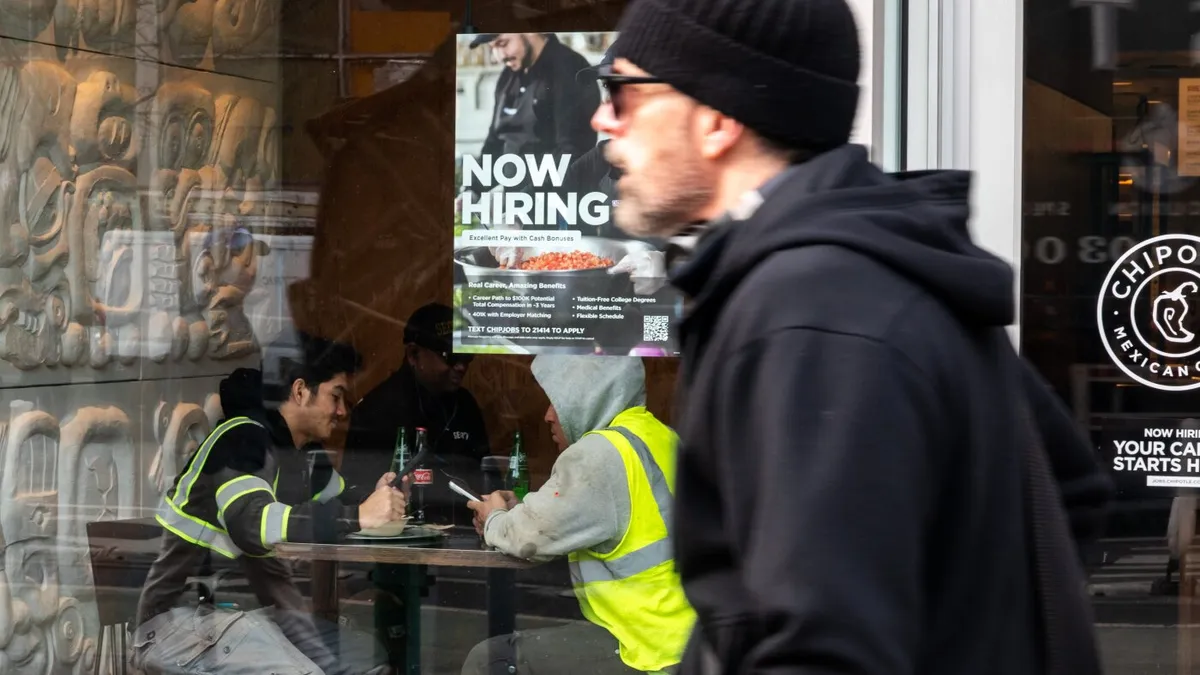
The job market offered a modest reprieve in January: employers added 130,000 workers, beating forecasts after a disappointing 2025. The unemployment rate ticked down to 4.3%, a small signal that hiring may be finding its footing again.
But the fine print tells a more complicated story. A Labor Department revision revealed that last year was far weaker than initially thought. Employers averaged just 15,000 hires per month in 2025—a fraction of what's typically needed to keep pace with population growth. When statisticians recounted the actual jobs in the economy last March, they found nearly 900,000 fewer positions than they'd originally reported. That's a significant gap, the kind that makes economists recalibrate their understanding of what's really happening beneath the headlines.
Federal Reserve governor Chris Waller has been vocal about his concerns. He describes the labor market as unhealthy, with genuine uncertainty about whether hiring will accelerate or continue to slow. He'd advocated for interest rate cuts to stimulate employment, but most Fed policymakers held rates steady in January, betting that patience would pay off.
We're a new kind of news feed.
Regular news is designed to drain you. We're a non-profit built to restore you. Every story we publish is scored for impact, progress, and hope.
Start Your News DetoxWhere hiring is and isn't happening
The January gains weren't evenly distributed. Healthcare and construction drove most of the new jobs—sectors where demand remains steady. But warehousing, transportation, and federal employment all shrank. Manufacturing added just 5,000 positions, and hospitality added only 1,000. The uneven picture suggests that some industries are adapting to a slower economy while others are contracting.
Why the slowdown. Part of it is structural: immigration restrictions have reduced the available labor pool, and baby boomers continue retiring faster than younger workers enter the workforce. But Federal Reserve officials say that's only part of the story. "Employers are reluctant to fire workers, but also very reluctant to hire," Waller noted. With just one job opening for every unemployed worker—down from two openings a few years ago—companies don't face pressure to compete aggressively for talent. Wages grew 3.7% in January, a slight deceleration from 3.8% the month before.
One persistent gap: the unemployment rate for African Americans sits at 7.2%, nearly three percentage points above the overall rate, underscoring how economic gains remain unequally distributed.
The January report itself arrived a few days late, delayed by last week's government shutdown—a reminder that even measuring the economy has become more fragile. As the data settles, the real question is whether this month's stability marks a genuine turning point or just a brief pause in a longer slowdown.