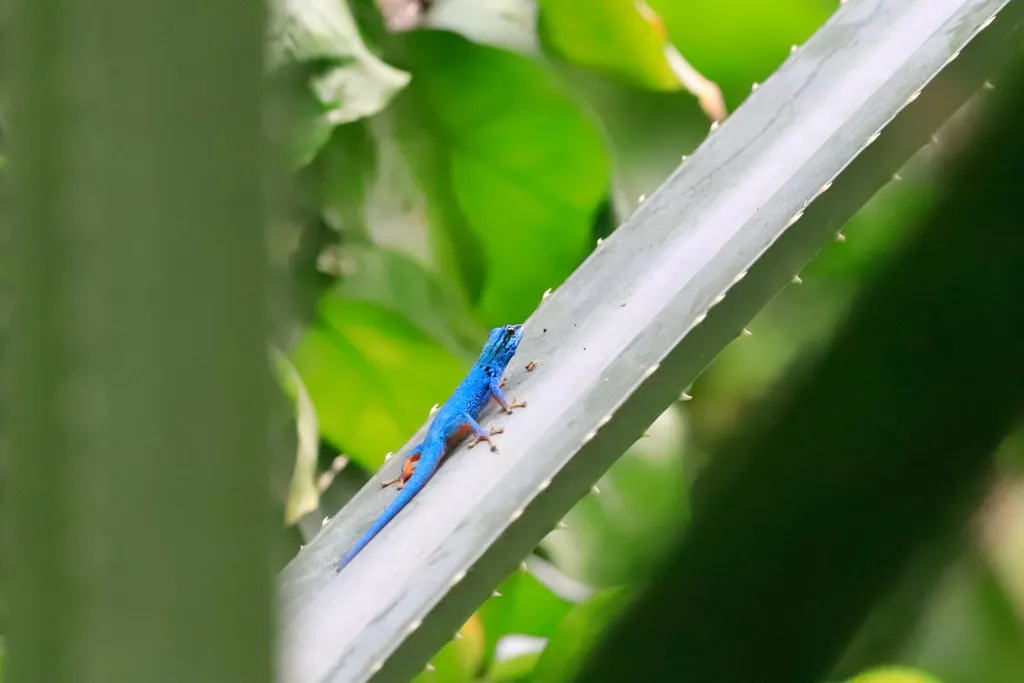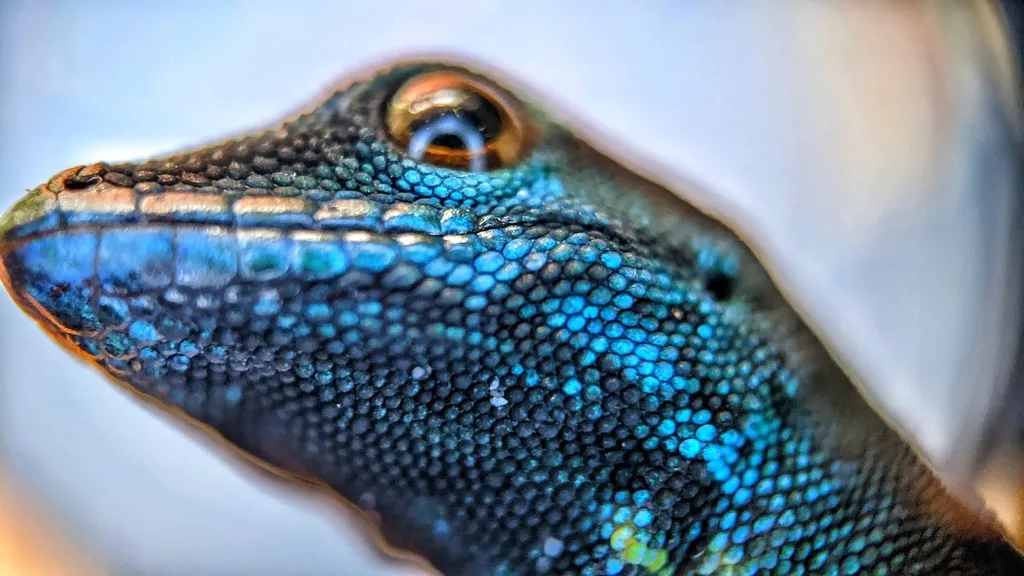
Imagine being so rare, so strikingly beautiful, that people would pay 600 Euros for you. Now imagine nearly 40,000 of your relatives being scooped up and shipped across an ocean because of it. That was the reality for the turquoise dwarf gecko, a creature so vibrant it looks like it's been dipped in a painter's palette.
Between 2004 and 2009, these tiny, iridescent lizards — found only in a couple of small forest reserves in central Tanzania — were the hottest commodity in the European pet trade. Herpetologist Dennis Rödder remembers seeing them for eye-watering prices at fairs, only for them to pop up in countless pet shops a few years later. Because apparently that's where we are now: your phone has legs, and your rare gecko is everywhere.

The Coolest Color in the Forest
These little dynamos, Lygodactylus williamsi if you're feeling fancy, top out at about 3.5 inches. Females sport a sensible green-brown, perfect for blending into the foliage. But the males? They're a shocking, electric blue — a color so rare in nature it practically screams, "Look at me, ladies!" Which, if you think about it, is both impressive and slightly terrifying for a creature living in just 13 square miles of Tanzanian forest.
We're a new kind of news feed.
Regular news is designed to drain you. We're a non-profit built to restore you. Every story we publish is scored for impact, progress, and hope.
Start Your News DetoxThey're active during the day, fiercely territorial, and apparently not big on empty-nester syndrome, as they boot their young out of the tree almost immediately after birth. Their entire world revolves around screwpine trees (Pandanus rabaiensis), which grow up to 65 feet tall. It’s a delicate ecosystem, easily disrupted.
Luckily, a combination of international trade bans and some serious local conservation efforts stepped in to pull these little blue gems back from the brink. Because sometimes, the most dazzling things need the most protection.