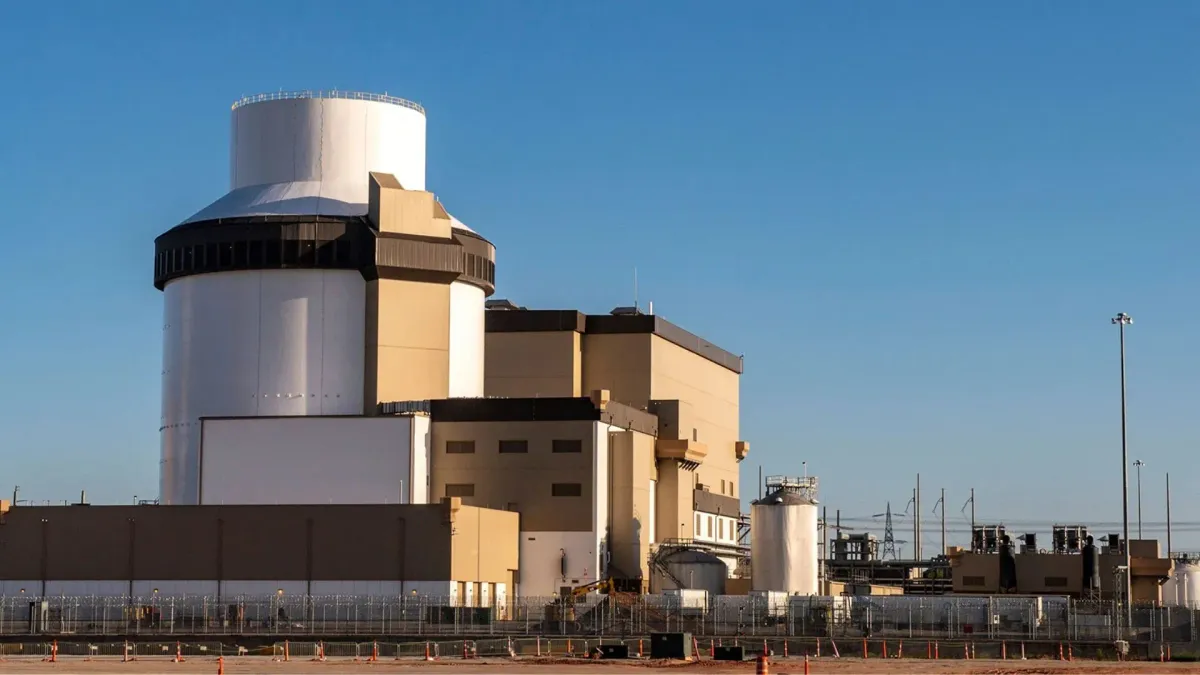
Poland, apparently tired of the usual energy drama, is going all-in on nuclear power. The state-owned Polskie Elektrownie Jądrowe (PEJ) just submitted a construction permit application for its first-ever nuclear plant. And by "application," they mean a casual 40,000 pages of highly technical, deeply regulatory documents.
Yes, you read that right. Forty thousand pages. Prime Minister Donald Tusk called it "significant progress," which feels like an understatement when you consider the sheer volume of paper involved. Someone's printer cartridge budget just got a serious workout.
The Nitty-Gritty (and the Really Big Numbers)
The star of this paper mountain is the Preliminary Safety Analysis Report (PSAR). This isn't your average building permit. It's a deep dive into the plant's design, location, and every safety system imaginable, all vetted by engineers and safety experts. It basically says: "Yes, this giant, complex thing will actually be safe, and here are 40,000 reasons why."
We're a new kind of news feed.
Regular news is designed to drain you. We're a non-profit built to restore you. Every story we publish is scored for impact, progress, and hope.
Start Your News DetoxThese documents ensure the plant meets every nuclear safety, radiation protection, and material safeguards standard on the books. It also covers quality assurance (because you want that), safety classifications, physical protection designs, and, naturally, emergency response plans. Because apparently that's where we are now.
PEJ stated that over 200 specialists worked on this monumental submission, finishing it six months ahead of schedule. Which, if you think about it, is both impressive and slightly terrifying. PEJ President Marek Woszczyk called it a "major milestone," noting it's the first such application in modern Poland since 1989. Let that satisfying number sink in.
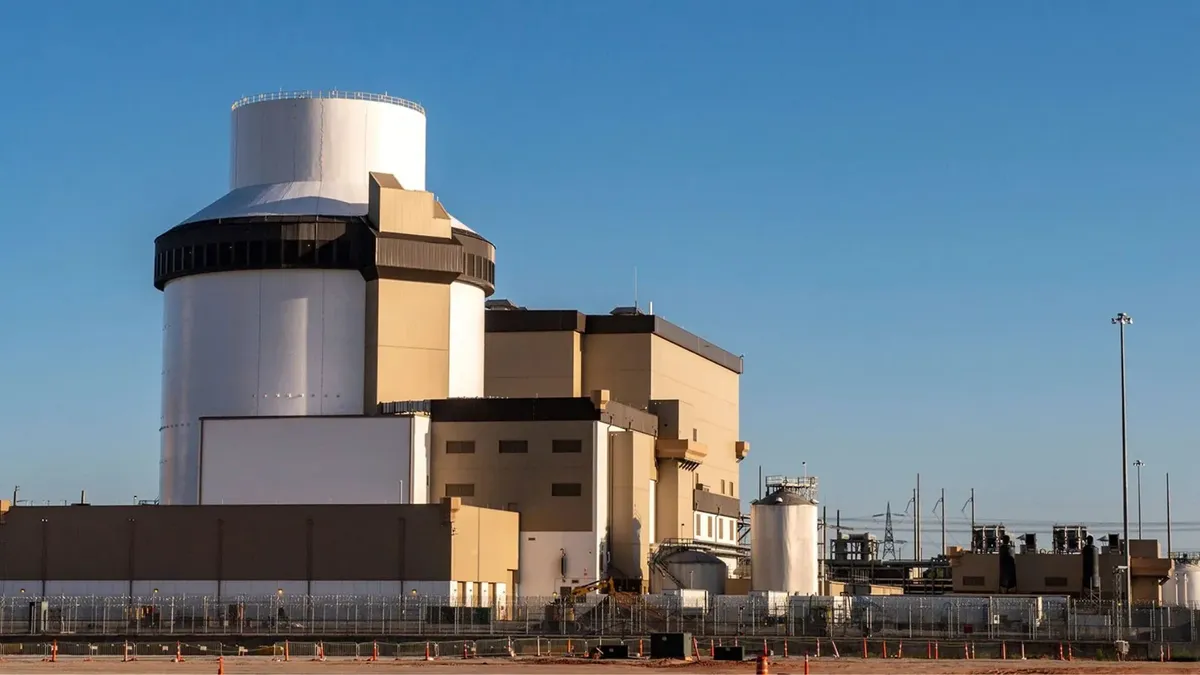
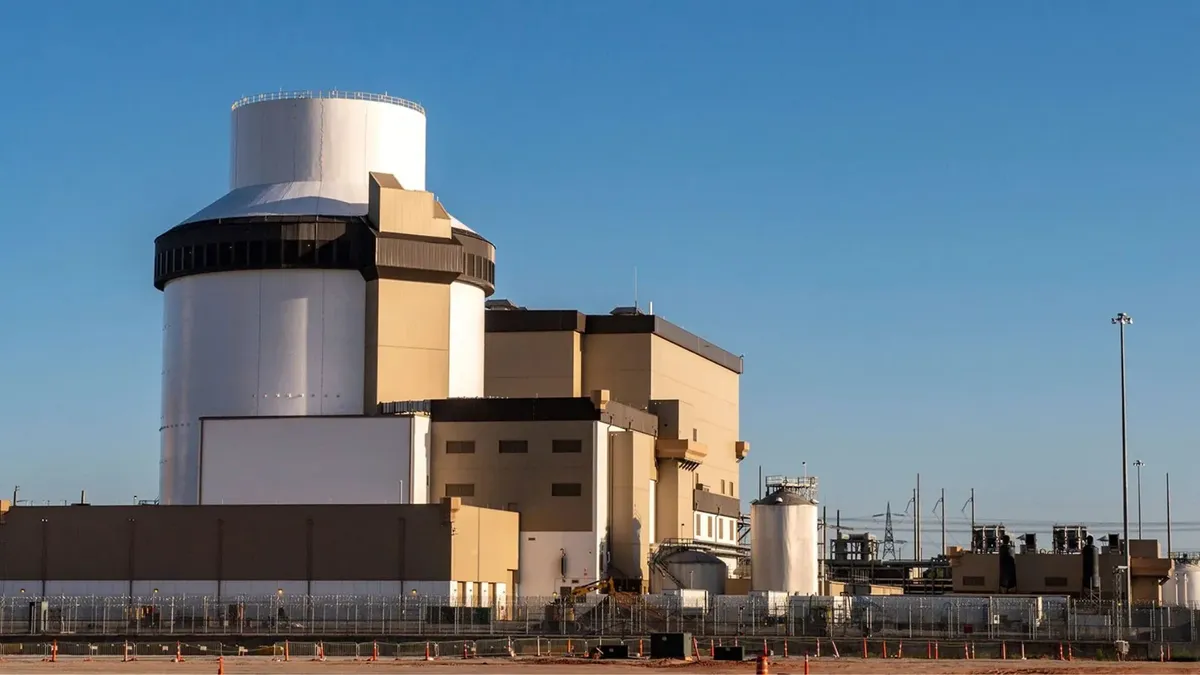
Poland chose the Westinghouse Electric Company AP1000 reactor design back in 2022. The plant, located in Choczewo in northern Poland's Pomerania region, will feature three of these units, built by a Westinghouse-Bechtel team. It’s a move that aligns with US-backed nuclear technology exports, because who doesn't love a bit of international collaboration on their energy grid?
Officials are banking on this investment to stabilize energy prices and fuel industrial growth. Minister Wojciech Wrochna highlighted the application as proof of Poland's commitment to "stable energy prices for families and modern industry." Because nothing says "stability" like a nuclear power plant that takes nearly a decade to build.
The National Atomic Energy Agency (PAA) now has 24 months to review this epic application. After a formal and legal check, they'll launch a multi-stage safety assessment, bringing in independent labs and expert groups. Construction is slated to start in 2028, with the first unit expected to power up by 2036. The other two units should follow by 2038. Just enough time for Poland to print another 40,000 pages of updates, probably.