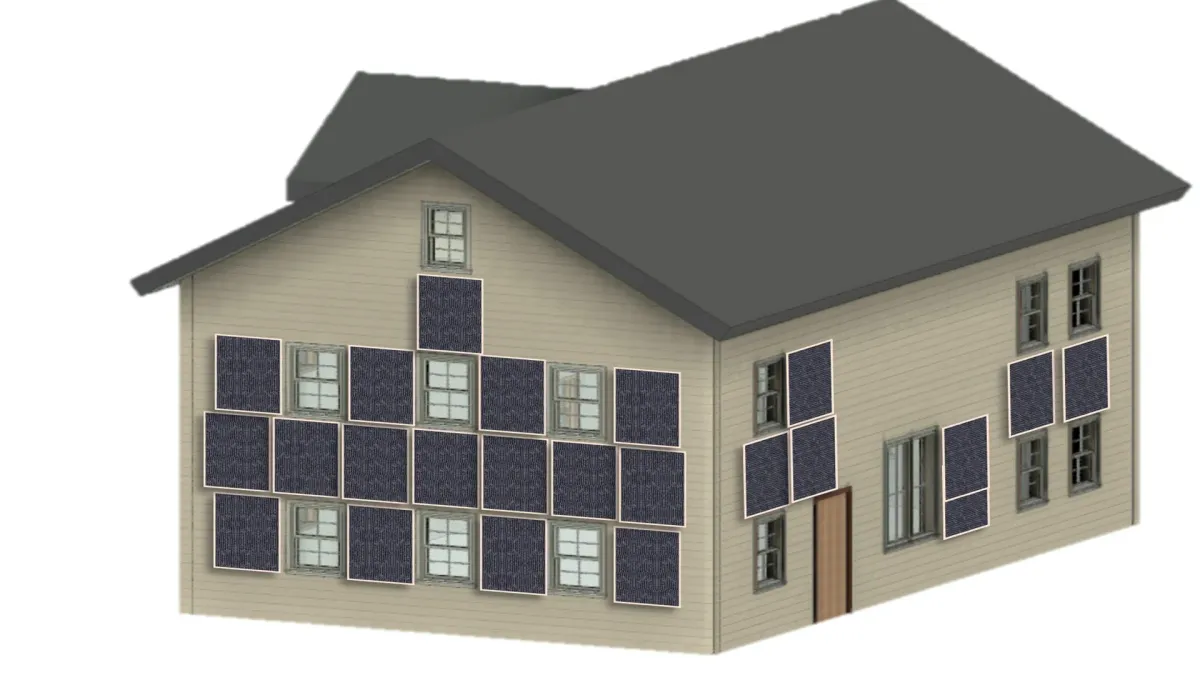
Apparently, buildings get cold too. And just like you, they might soon be slipping into something more comfortable – a fabric sweater, if you will. A team at the University of Massachusetts Amherst has cooked up a new system: fabric panels, treated with a special dye, that essentially act as an extra thermal layer for buildings. The idea? Slap 'em on the outside, let them soak up the sun, and watch your indoor temps climb.
According to their models, these panels could bump up indoor temperatures by a cozy 8.64°F over a day. Which, if you've ever shivered through a winter, sounds like a decent return on investment for what's essentially a building-sized blanket.
The Low-Cost Warm-Up
Heating homes and businesses isn't just expensive; it's also a major energy hog and emissions producer. And for millions, the choice between 'heat or eat' is a stark reality. Traditional solutions usually involve costly, disruptive renovations like new insulation. But these fabric panels offer a different approach: an affordable, add-on solution that even renters could use without getting their landlord's permission to gut a wall.
We're a new kind of news feed.
Regular news is designed to drain you. We're a non-profit built to restore you. Every story we publish is scored for impact, progress, and hope.
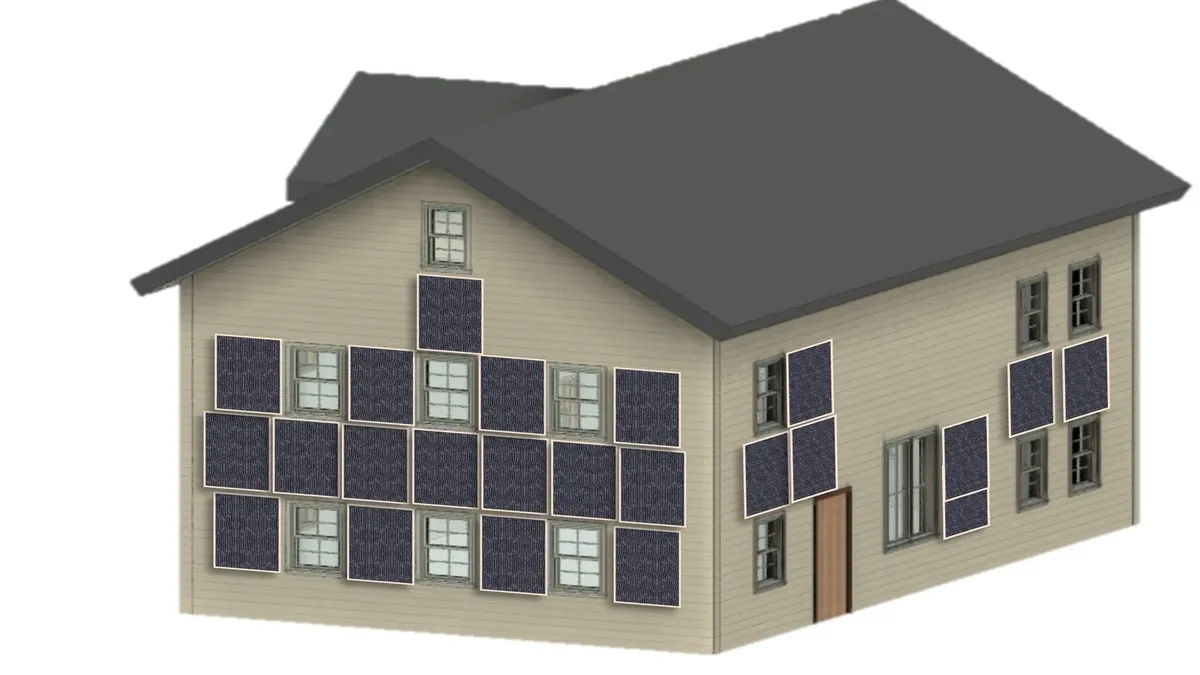
Start Your News DetoxThe inspiration is delightfully simple. As researcher Carolina Aragón put it, "When you are cold, you put on a sweater. So we started thinking: what would you do if you are a building?" Initially, they considered a full-on building blanket, but landed on removable panels that attach to exterior walls.
The magic is in the photothermal dye. It captures sunlight and converts it directly into heat. "We can put this dye on anything," explained Trisha Andrew, another researcher. "It does not have to be on an expensive fabric." The team tested it on durable umbrella fabric, keeping costs down while maintaining performance. Let that satisfying number sink in: models suggest this could cut heating energy use by up to 15% in homes, and a whopping 23% in larger apartment buildings.
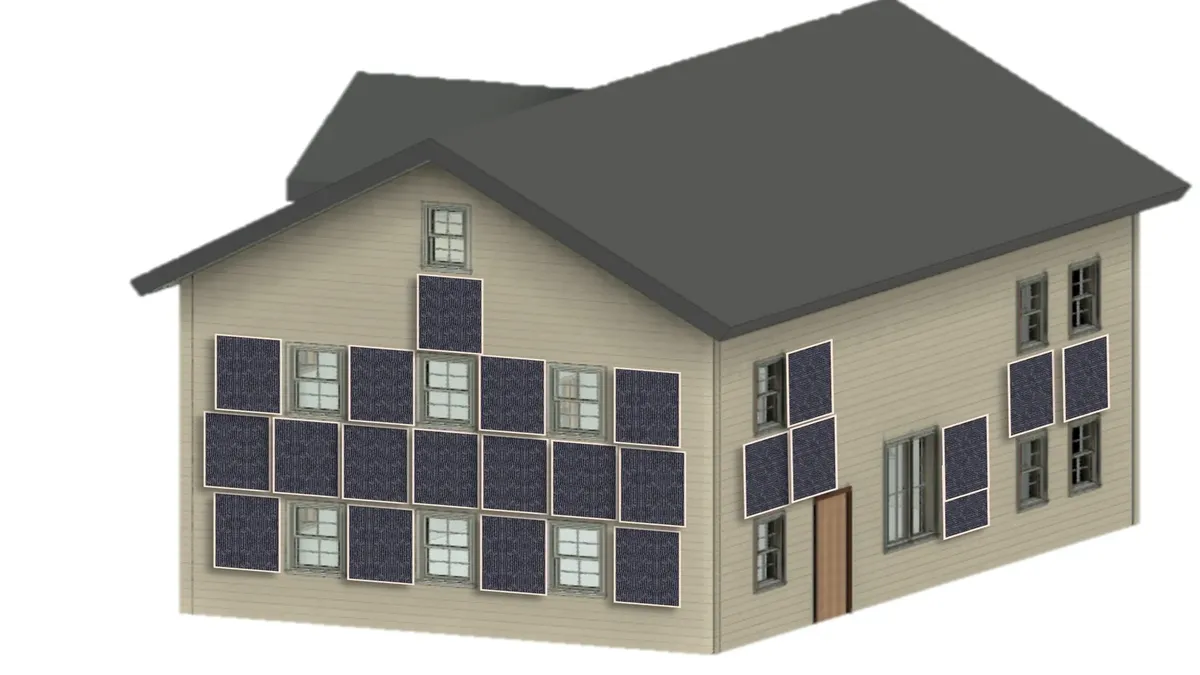
Beyond the energy savings, this tech has some significant social implications. Renters, often locked out of making permanent home improvements, could finally have a low-cost option. Plus, it bypasses the dreaded "renoviction" scenario where upgrades lead to higher rents. The panels are also light, removable, and can be customized with different designs to blend in, rather than sticking out like a purely functional afterthought.
More testing is needed before these fabric sweaters hit the market. But if the early results hold up, Andrew believes this "could have an enormously beneficial societal impact." Because who couldn't use a little extra warmth without breaking the bank?