Some of the world's best skis and snowboards use wood for strength and shape. These layers are usually glued together. But what if they were stitched instead?
Researchers at Austria's Graz University of Technology explored this idea. They wanted to stop wood layers from peeling apart during regular use.
Stitching Wood Like Fabric
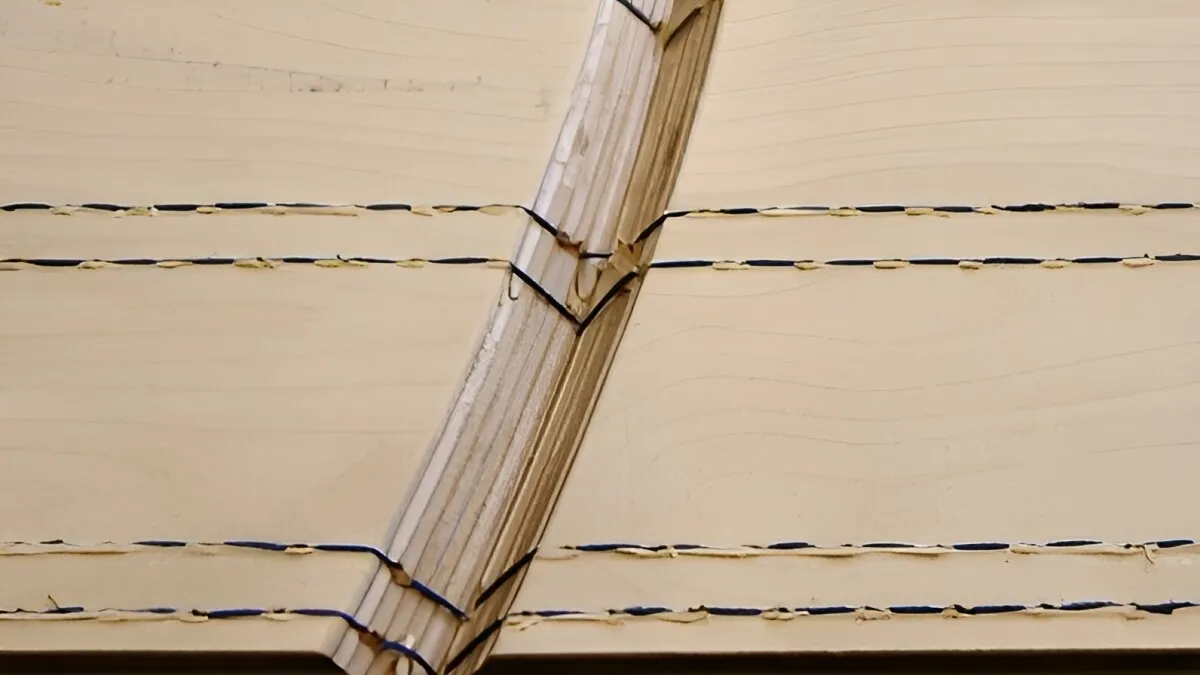
The team focused on sewing wood veneers to prevent delamination, which is when wood layers peel off. Lead researcher Florian Feist compared it to strengthening concrete with steel rebar. He said the seams in timber can handle critical forces, especially peeling loads. This greatly delays layers from detaching.
We're a new kind of news feed.
Regular news is designed to drain you. We're a non-profit built to restore you. Every story we publish is scored for impact, progress, and hope.
Start Your News DetoxThe method is similar to sewing fabrics and works on a standard industrial sewing machine. The key differences are a triangular needle tip that avoids cutting wood fibers and strong, flexible nylon yarn.
The TU Graz team found they could stitch laminates up to 20 mm thick. This method achieved four times the load-bearing capacity against peeling forces compared to gluing. The energy needed to crack a stitched laminate also increased by up to 14 times more than with glued ones.
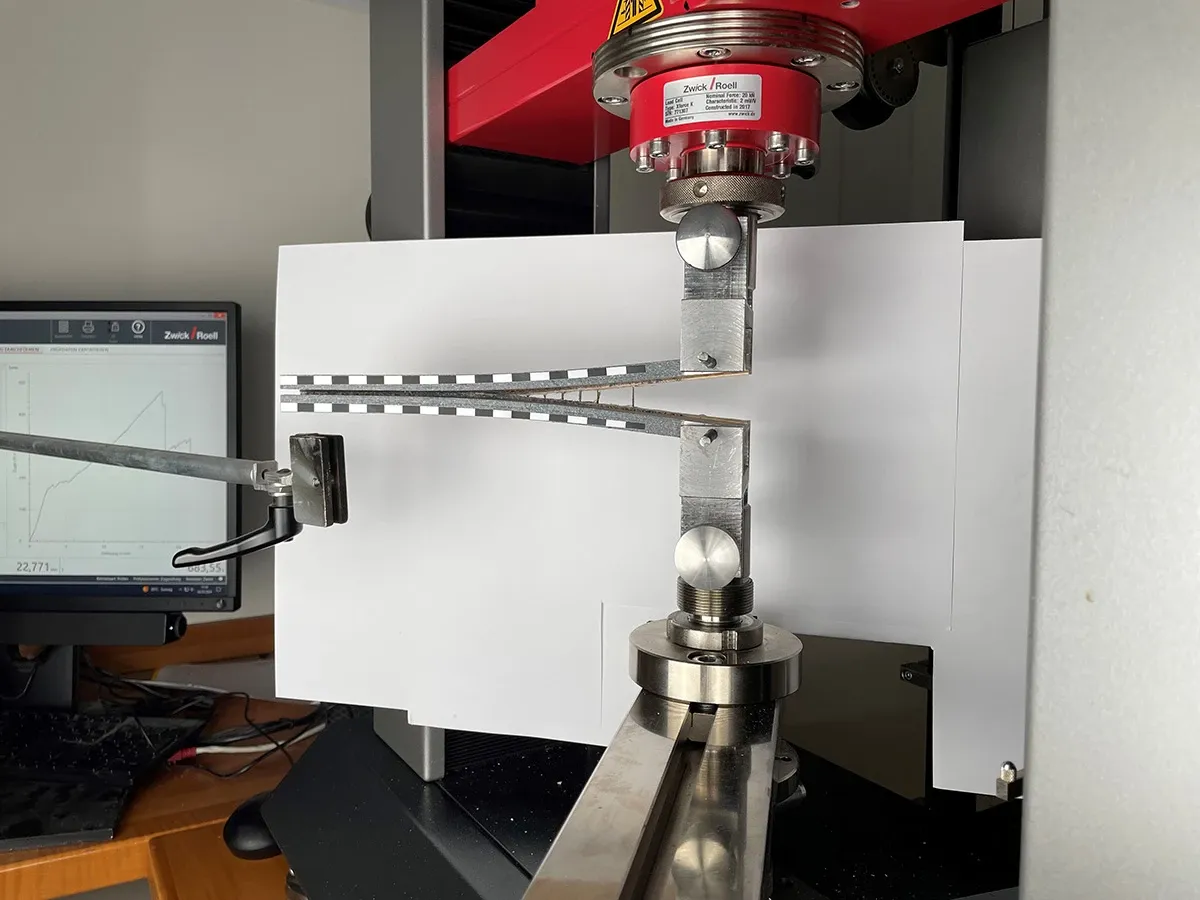 Delamination does not occur until much later after stitching. Image: W.E.I.Z.
New Possibilities for Wood Products
This sewing method can reach a speed of 8.2 feet (2.5 meters) per minute. This could save a lot of production time compared to gluing, which needs curing. It also allows for connections with other materials.
The technique can create flexible wooden joints. This means new products like foldable benches that don't need traditional hinges are possible.
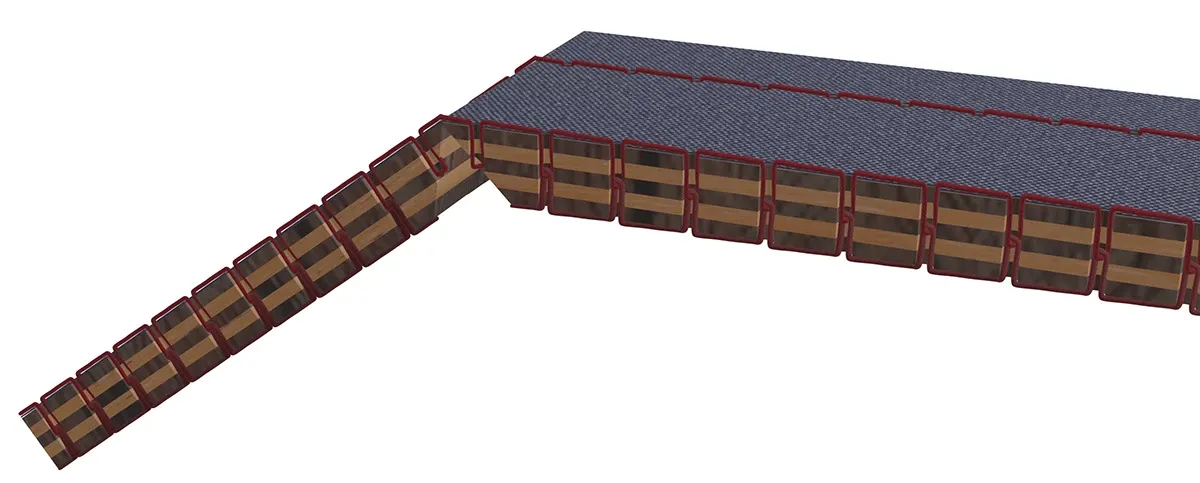 A flexible joint in a sewn-together wood laminate. Image: W.E.I.Z.
This innovation could bring new levels of durability and stability to snow sports gear, car interiors, furniture, and construction. The idea of exposed stitching on wood, especially with flexible joints, opens up many design possibilities.