Turns out, there’s gold in them thar… well, sewage. Scientists have cooked up a new method that not only treats wastewater sludge more efficiently but also turns it into renewable natural gas. Think of it as a two-for-one deal: less gunk in the world, more clean energy.
This isn't just about making things smell better (though that's a bonus). This process could cut treatment costs by nearly 50% and produce 200% more renewable natural gas than current methods. Let that satisfying number sink in. It means communities could manage waste sustainably and fuel their energy needs all at once.
From Sludge to Spark
Here’s the dirty (but ultimately clean) truth: wastewater treatment plants are energy hogs. They guzzle 3-4% of total U.S. electricity demand, and their processes dump 21 million metric tons of greenhouse gases into the atmosphere annually. And the stuff they do produce, called biogas, is a mix of carbon dioxide and methane that’s not exactly pipeline-ready.
We're a new kind of news feed.
Regular news is designed to drain you. We're a non-profit built to restore you. Every story we publish is scored for impact, progress, and hope.
Start Your News DetoxEnter the new approach: Researchers from Washington State University, Pacific Northwest National Laboratory, and Clean-Vantage LLC added a pretreatment step. They hit the sludge with high temperature, pressure, and a touch of oxygen. This breaks down the complex molecules that usually give anaerobic digestion a hard time. Suddenly, that $494 per ton cost to treat sewage drops to $253.
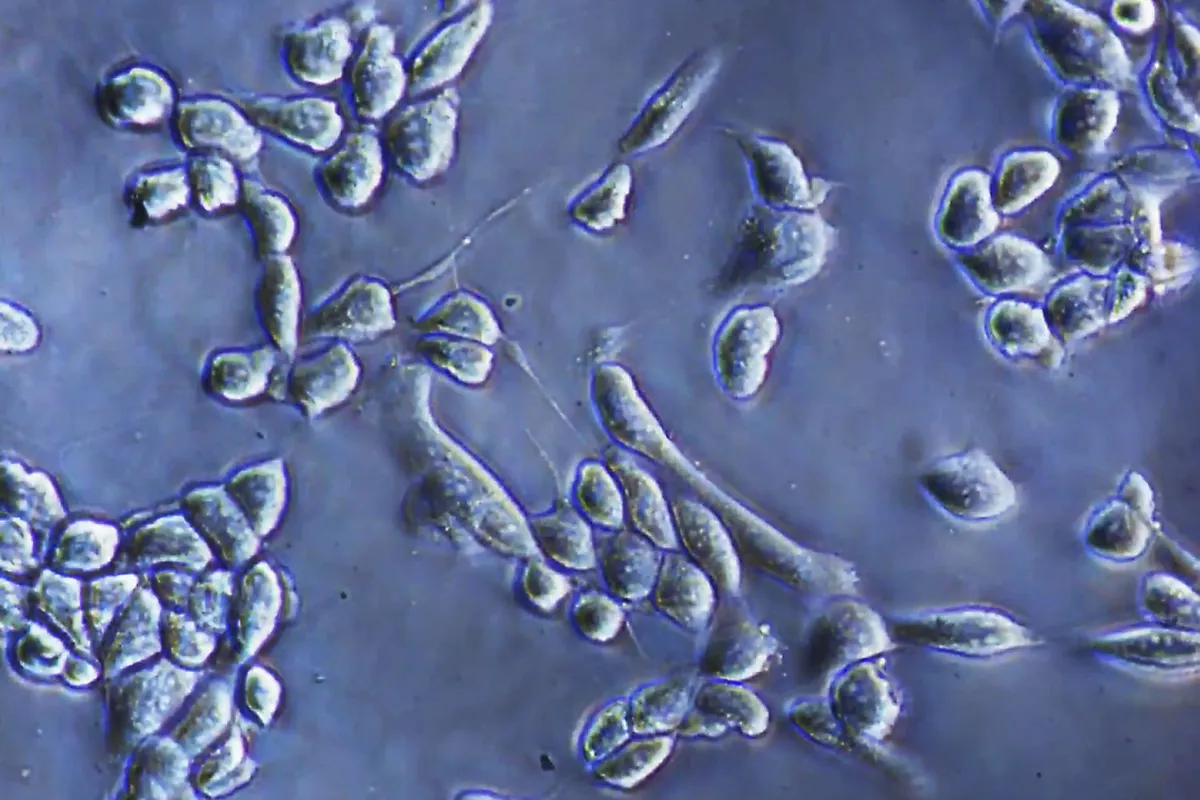
Then comes the real star: a newly discovered bacterial strain. This little workhorse converts the carbon dioxide and hydrogen in the biogas into pure methane, which is, you guessed it, renewable natural gas. We’re talking 99% pure methane, ready for pipelines, homes, or even transportation.
Birgitte Ahring, a professor at Washington State University, says this method converts up to 80% of sewage sludge into something valuable. And the bacterial strain? It basically runs itself, needing just water and a “vitamin pill.” Which, if you think about it, is both impressive and slightly terrifying.
The team has already patented this bacterial strain and is working with an industrial partner to scale up. So, the next time you flush, just remember: you might be contributing to the future of clean energy. No pressure.