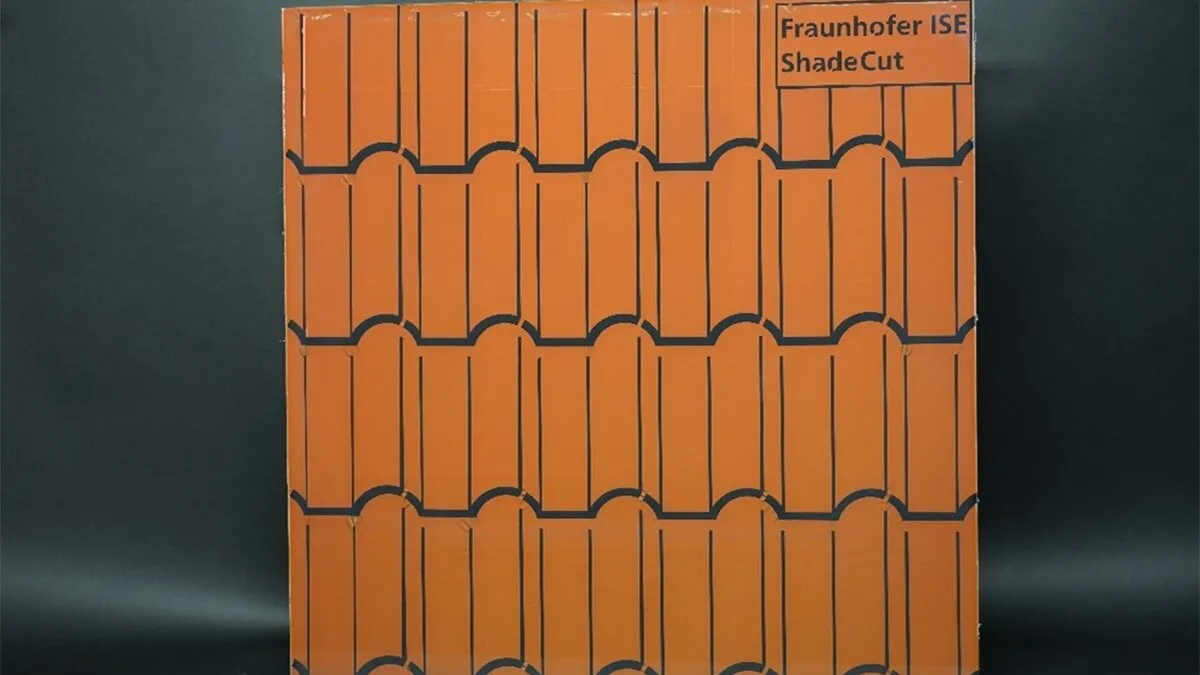
Black solar panels often clash with a building's style. Now, a German research group has a solution. Fraunhofer ISE developed ShadeCut technology to make solar panels look better.
Making Solar Panels Blend In
ShadeCut uses colored film applied to solar panels. This film lets the panels keep up to 95% of their power output. Dr. Martin Heinrich, who leads solar integration at Fraunhofer ISE, said modules with ShadeCut can look like masonry or roof tiles. They can also feature custom designs, logos, or patterns.
This technology could help solar panels on historic buildings, facades, roofs, and even railings. It allows for complex patterns, various colors, and multilayered designs directly on the modules.
We're a new kind of news feed.
Regular news is designed to drain you. We're a non-profit built to restore you. Every story we publish is scored for impact, progress, and hope.
Start Your News Detox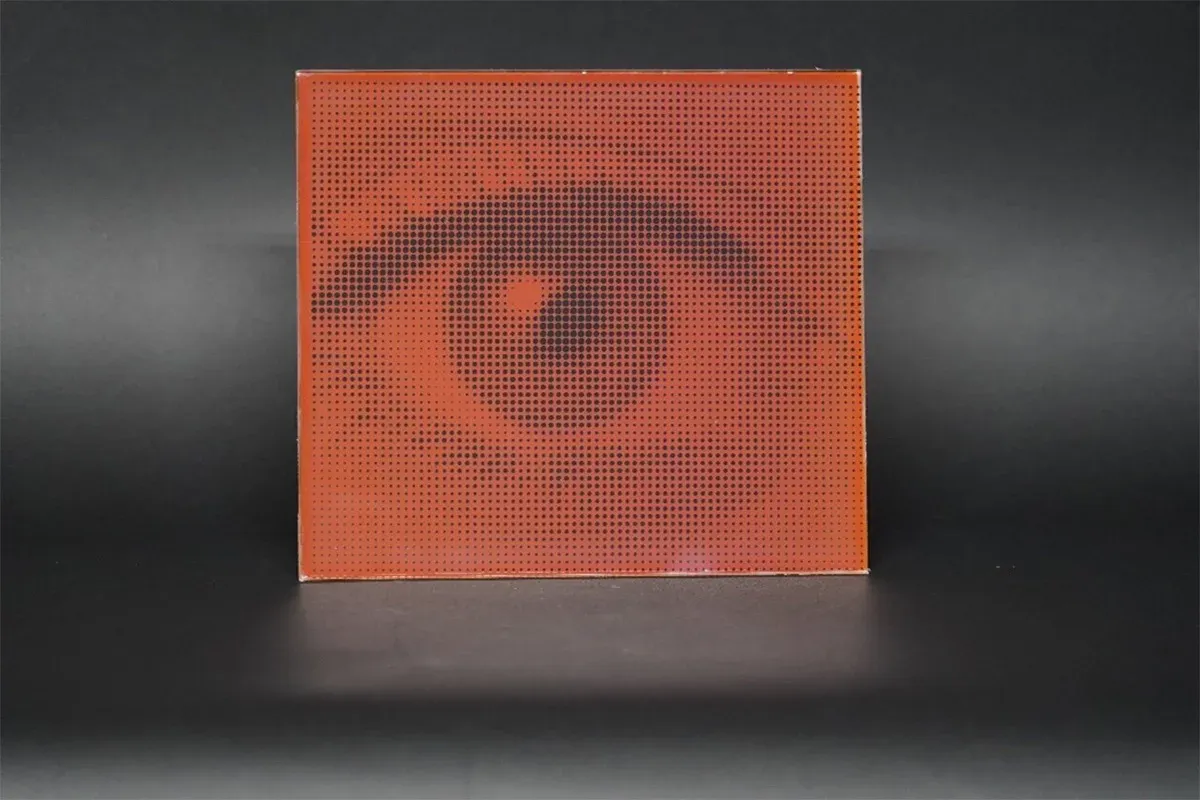
How the Technology Works
ShadeCut uses Fraunhofer's MorphoColor coating technology. This coating was detailed in a 2021 paper in IEEE Journal of Photovoltaics. MorphoColor hardly reduces solar panel efficiency because it lets most sunlight pass through. The coating reflects only a very narrow range of light, which is the color you see. This allows a lot of light to reach the solar cells.
The coating uses "destructive interference." This means layers in the thin film are precisely measured. Unwanted reflections, which usually waste energy, are canceled out as light waves interact. This leaves more energy for the panel to collect. Special "transition" layers also help light go straight to the solar cells, reducing reflection losses.
Unlike older methods that use diffusing foils and can cause up to 50% power loss, MorphoColor uses a precise 3D photonic structure on the glass. This structure is designed for high light transmission. The technology has also been made into a film that can be applied to existing panels. This film can be laser-cut to create detailed designs and patterns.
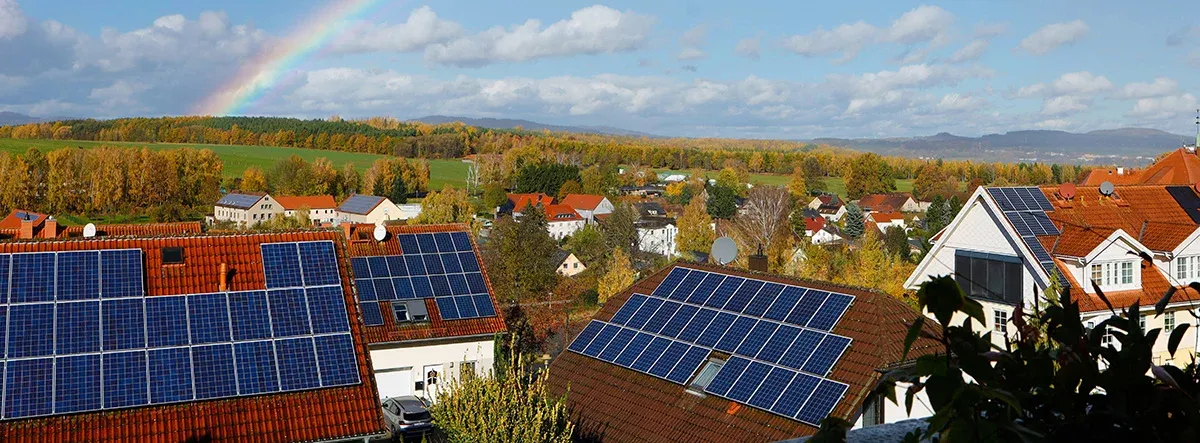
The hope is that ShadeCut will soon be available commercially. This could make buildings and infrastructure like bus shelters, freeway overpasses, and airport terminals more attractive while still using solar power.
Deep Dive & References
Colored films enable patterns on PV modules - Fraunhofer ISE The MorphoColor Concept for Colored Photovoltaic Modules - IEEE Journal of Photovoltaics, 2021