The North Face has launched its new Universal Collection, a line of adaptive camping gear. This collection aims to make outdoor equipment more accessible for everyone, including people with limited dexterity, prosthetics, or those who use wheelchairs.
The brand developed these products with input from its adaptive athletes. This approach means the gear is designed for broader usability from the start.
Innovative Gear for Easier Camping
The collection includes several key items. These feature design changes like replacing zippers with magnets and making tents easier to enter.
We're a new kind of news feed.
Regular news is designed to drain you. We're a non-profit built to restore you. Every story we publish is scored for impact, progress, and hope.
Start Your News DetoxUniversal One Bag Sleeping Bag
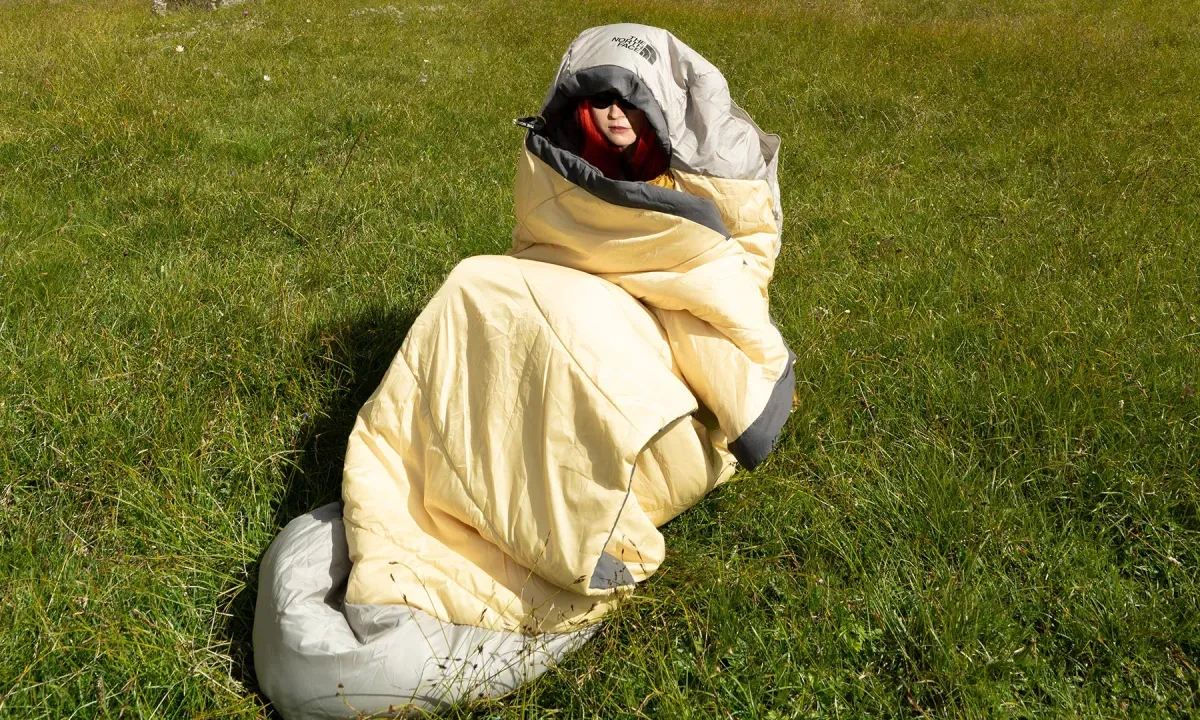
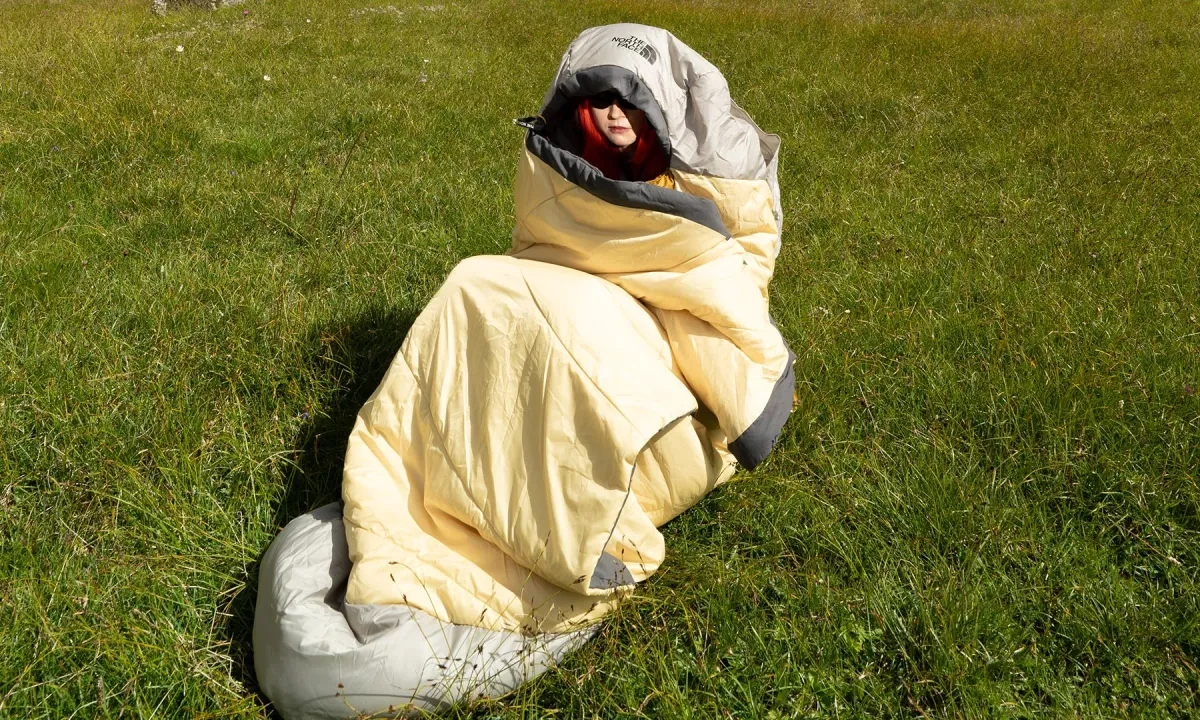
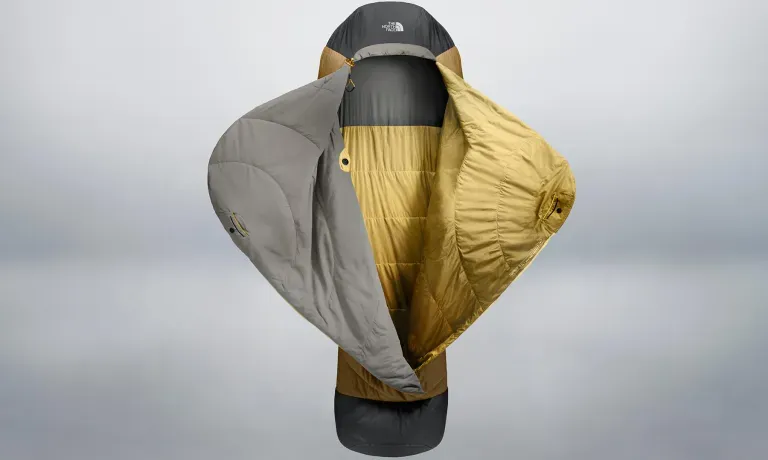
This sleeping bag completely removes the zipper. Instead, it uses two magnetic FIDLOCK closures. These are similar to the magnets found on helmet buckles. Users can pull the two halves together, and magnets snap them shut. A small lever releases them with one hand. This system avoids common problems like fabric getting caught in zippers.
The bag is rated for temperatures down to 20°F. It also has two insulated "wings" that can be adjusted for different conditions. This makes it versatile for various temperatures.
Universal Wawona 3 Tent
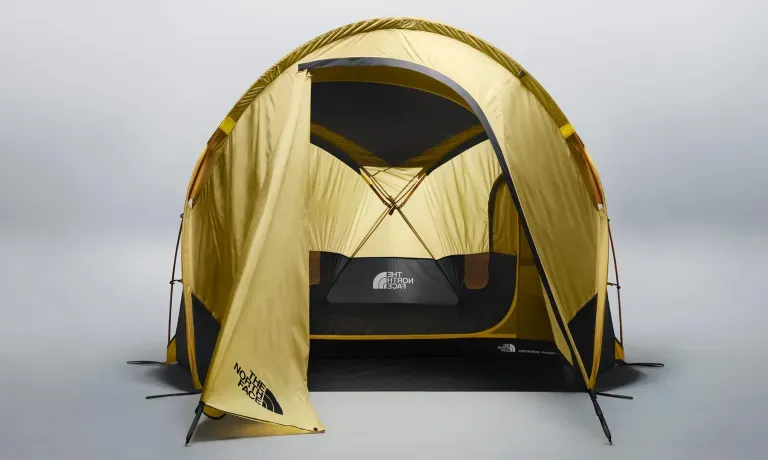
The Universal Wawona 3 tent is a redesigned version of a popular car-camping tent. It focuses on wheelchair access. The doorway is wider, and the threshold is lower. The sill has high-contrast colors for better visibility and is designed to flex when a wheel rolls over it.
Setting up the tent is also simpler. It uses three poles of the same length, so there's no need to sort them. The pole sleeves are highly visible, and the mounts are easy to catch. The rain fly is built-in, and zipper pulls have oversized loops for easier use, even with a closed fist or prosthetic.
U-Camp Daypack 20L
The U-Camp Daypack is a 20-liter backpack that stands upright on its own. This feature is helpful for packing from a seated position or when there's no flat surface to lean the bag against. The front opens with a magnetic closure instead of a buckle or zipper. Its harness adjusts to fit various body types and mobility setups, including over a wheelchair backrest.
Mule Slip-ons
The Universal Design Traction Mules are slippers that don't have a specific left or right foot. They are built symmetrically, so either shoe fits either side. The heel can fold down to wear them as a slip-on or pull up for a full slipper. Contrasting colors help distinguish the inside from the outside. Pull loops on the heel and vamp make them easier to put on and take off without bending down.
A New Approach to Design
This collection came from direct collaboration with adaptive athletes like skier Vasu Sojitra and climber Maureen Beck. They also gathered insights from events like the Adaptive Climbers Fest. This process differs from the usual industry practice of designing for an average user and adding accessibility later.
Maureen Beck noted that this is the first time accessibility innovations are starting with the adaptive community and then benefiting everyone. For example, a magnetic closure that helps someone with limited grip also helps someone wearing mittens. A tent threshold low enough for a wheelchair is also easier to step over with an armload of firewood. A self-standing daypack is useful for anyone, not just those packing from a seated position. These features are not compromises; they are simply better designs that came from a more focused set of needs.