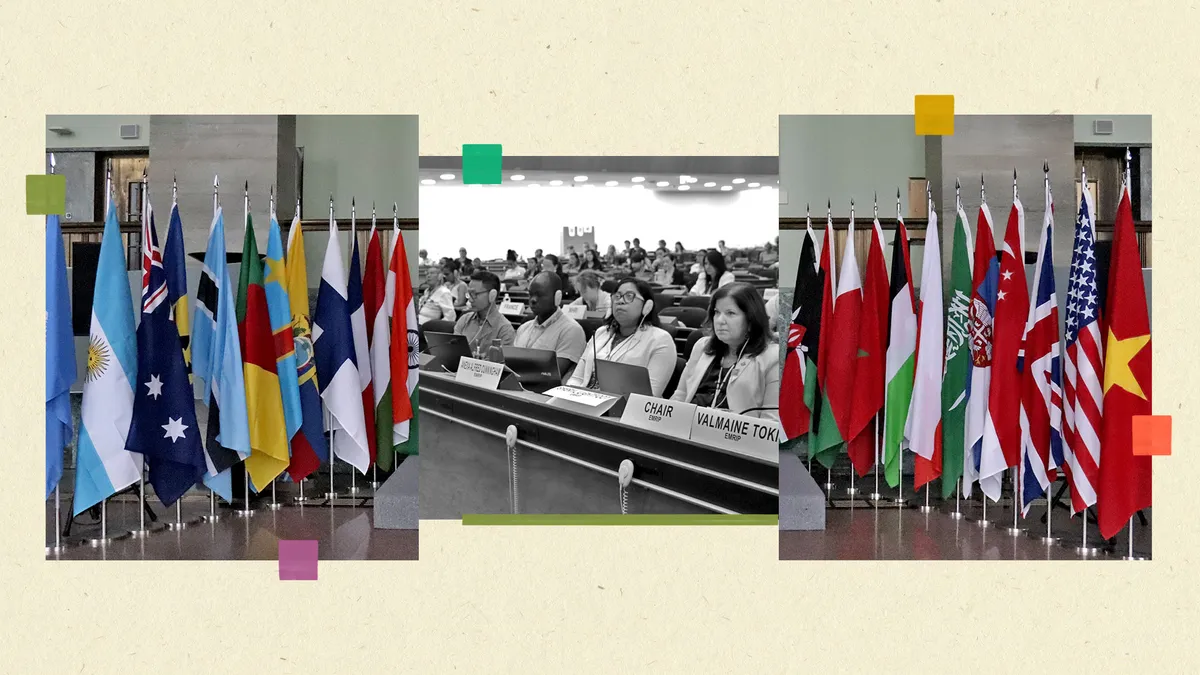
Turns out, when you're facing down climate change, escalating violence, and the creeping threat of AI, you tend to get pretty specific about what you need. That's precisely what Indigenous leaders worldwide just did, handing the United Nations a 12-point action plan. Their message? Stop talking, start acting.
Cora McGuire-Cyrette, speaking for the Ontario Native Women's Association, didn't mince words: "Our communities have a right to action, and that’s what we’re not seeing globally." Which, if you think about it, is a polite way of saying, "What are you waiting for?"
The Roadmap
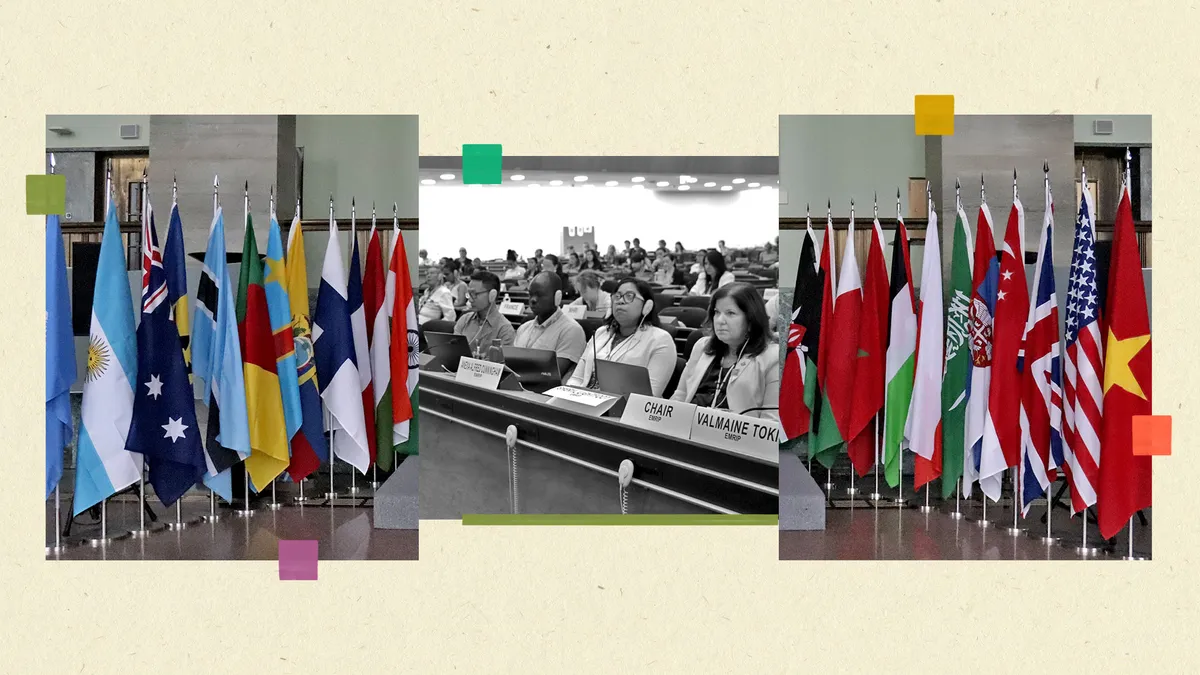
This isn't just a wish list. It's a detailed proposal from seven Indigenous members of the UN's own Expert Mechanism on the Rights of Indigenous Peoples (EMRIP). They're taking it straight to the UN Human Rights Council, because, as Anishinaabe and EMRIP expert Sheryl Lightfoot noted, "There’s clearly no shortage of work."
We're a new kind of news feed.
Regular news is designed to drain you. We're a non-profit built to restore you. Every story we publish is scored for impact, progress, and hope.
Start Your News DetoxThe recommendations are broad, covering everything from bolstering cultural protections to ensuring Indigenous voices actually get heard in global discussions. Some highlights include:
- Protecting remote Indigenous peoples who've chosen voluntary isolation. (Because, you know, it's voluntary.)
- Saving Indigenous languages from extinction.
- Giving Indigenous communities control over their own data. (Because apparently that's where we are now.)
- Recognizing Indigenous rights as distinct legal entities, not just a subset of general human rights.
- Fully implementing the UN Declaration on the Rights of Indigenous Peoples – a document that's been around since 2007.
- Upping Indigenous participation in the Human Rights Council itself.
It seems this roadmap couldn't come at a more crucial time. Albert Barume, the UN special rapporteur on Indigenous rights, pointed to a concerning trend of "stagnation and regression" in human rights. He noted that some states are even undoing existing protections. Case in point: Macy Duxfield, who is Māori, called New Zealand's current policies "regressive." Still, she emphasized the long game: "We’ve inherited the work from our ancestors, and we pass it on to our descendants."
McGuire-Cyrette also specifically called for greater independence for Indigenous women and girls, advocating for their inclusion in all decisions that affect their lives and nations. Because, yes, that should be obvious.
The Budget Blues
Here’s the kicker: the very UN bodies dedicated to Indigenous peoples are facing a "liquidity crisis." EMRIP, the Permanent Forum on Indigenous Issues, and the special rapporteur all have uncertain futures thanks to funding cuts. It's tough to implement a 12-point plan when your budget looks more like a suggestion.
Marjolaine Étienne, from the Innu community, highlighted the dire need for more support for the UN Voluntary Fund for Indigenous Peoples. This fund helps Indigenous representatives actually attend these international meetings. Without it, fewer delegates can participate. Only eight countries contribute to this fund, which has a budget of less than $2 million. And the U.S.? It contributes to neither. Let that sink in.
McGuire-Cyrette was clear: "The liquidity crisis must not be used as an excuse to limit the mandate of EMRIP." Lightfoot, ever the pragmatist, acknowledged the uncertainty but stressed that EMRIP is already preparing for changes. "I don’t know what kind of efficiencies the U.N. will ask of us," she said, "But I know we are thinking it through because we want to be ready to respond." Because apparently, even the UN's own mechanisms need a contingency plan for, well, the UN.