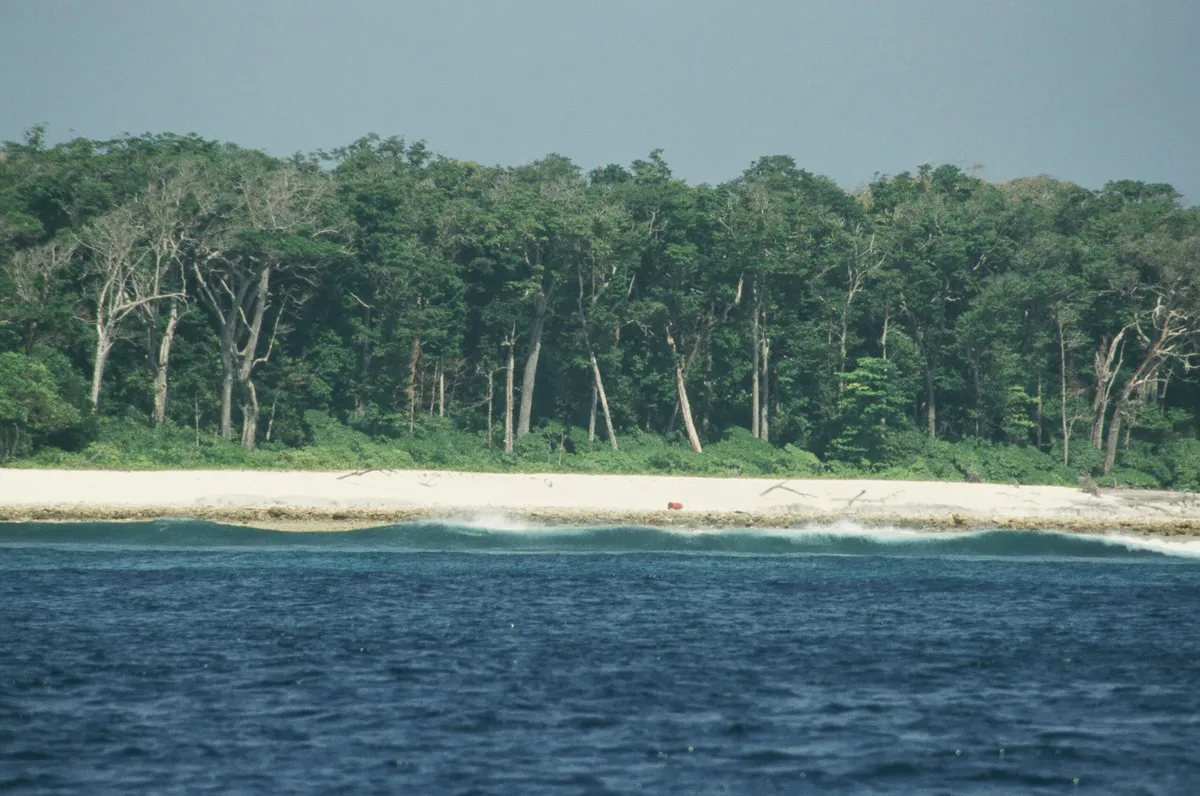
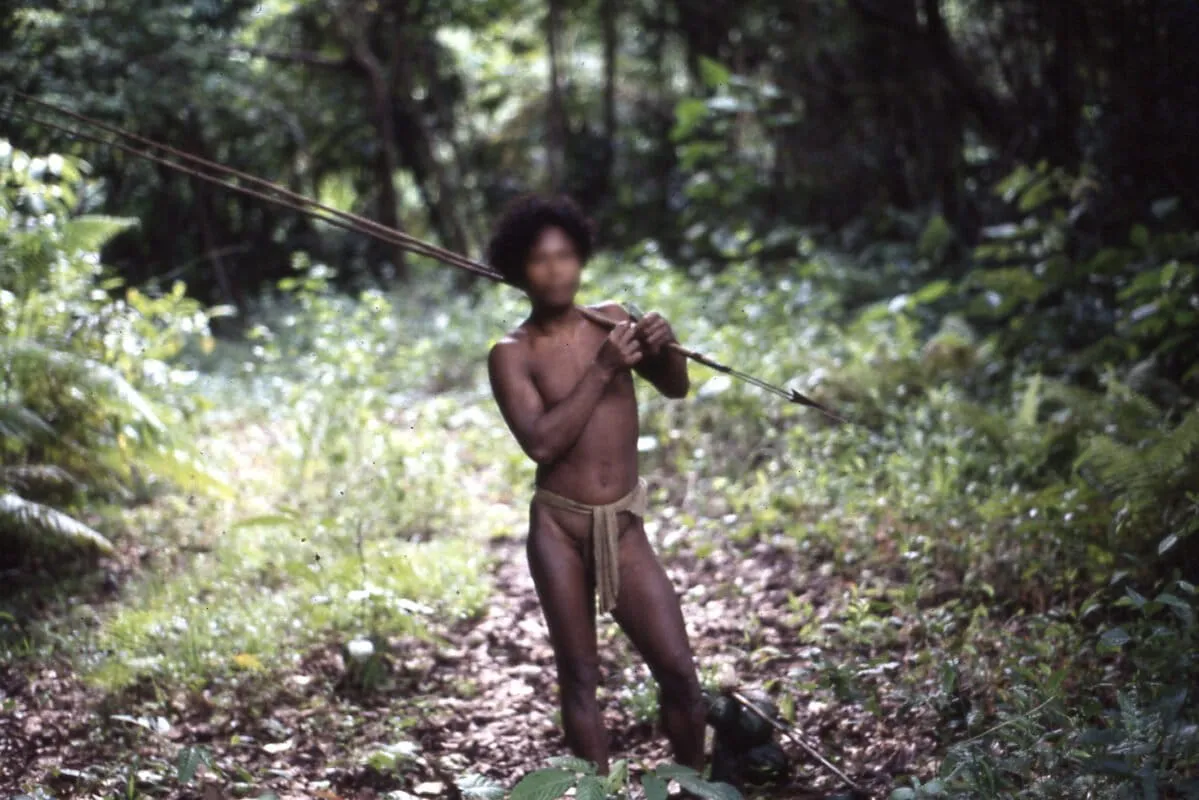
North Sentinel Island. It sounds like something out of a fantasy novel, but it's very real — a dense, green jewel in India's Andaman and Nicobar archipelago, surrounded by waters so blue they almost hurt your eyes. And it's home to the Sentinelese people, who've decided they're just fine without us, thank you very much.
Because of their fierce (and frankly, understandable) desire for solitude, India has a strict, no-contact policy. Outsiders are a hard no. Which means the Sentinelese are left to their own devices, fishing with spears, hunting turtles, and foraging for mollusks in the shallow reefs. Biologists, peering from a safe distance, confirm those reefs are absolutely thriving, teeming with marine life.

Manish Chandi, a tribal expert who's observed the island more times than he can count (from a very respectable distance), has seen families — men, women, and children — gathering food during low tide. He notes they're not just grabbing whatever's there; they know exactly which resources are nutritious and, more importantly, rare in the limited mangrove areas around the island.
We're a new kind of news feed.
Regular news is designed to drain you. We're a non-profit built to restore you. Every story we publish is scored for impact, progress, and hope.
Start Your News DetoxThink about that for a second. In an age where every inch of the planet seems mapped, Instagrammed, or polluted, there's a place where massive trees still form a natural storm defense, where sandy beaches meet rocky shores, and where coral reefs and mangroves act as prime nurseries for ocean life. It’s a literal biodiversity hotspot, much like other tribal reserves in the region.
Chandi points out that this determined isolation has, predictably, fueled endless curiosity and more than a little misunderstanding from those on the outside. Which, if you think about it, is a perfectly human response to something truly wild and untouched. We just can't touch it.