César Maquieira grew up loving the sea in northwest Spain. He spent years fishing, boating, and scuba diving. The ocean represented freedom to him.
As an adult, Maquieira, now 51, developed a muscle disease. It causes easy exhaustion and requires him to use a wheelchair. He found this difficult and depressing.
In 2016, Maquieira learned about a program that made the sea accessible to everyone, regardless of mobility.
We're a new kind of news feed.
Regular news is designed to drain you. We're a non-profit built to restore you. Every story we publish is scored for impact, progress, and hope.
Start Your News DetoxHe remembers his first day vividly. The water was choppy and windy, not ideal for a beginner. But he loved it and quickly became hooked.
Opening the Sea to Everyone
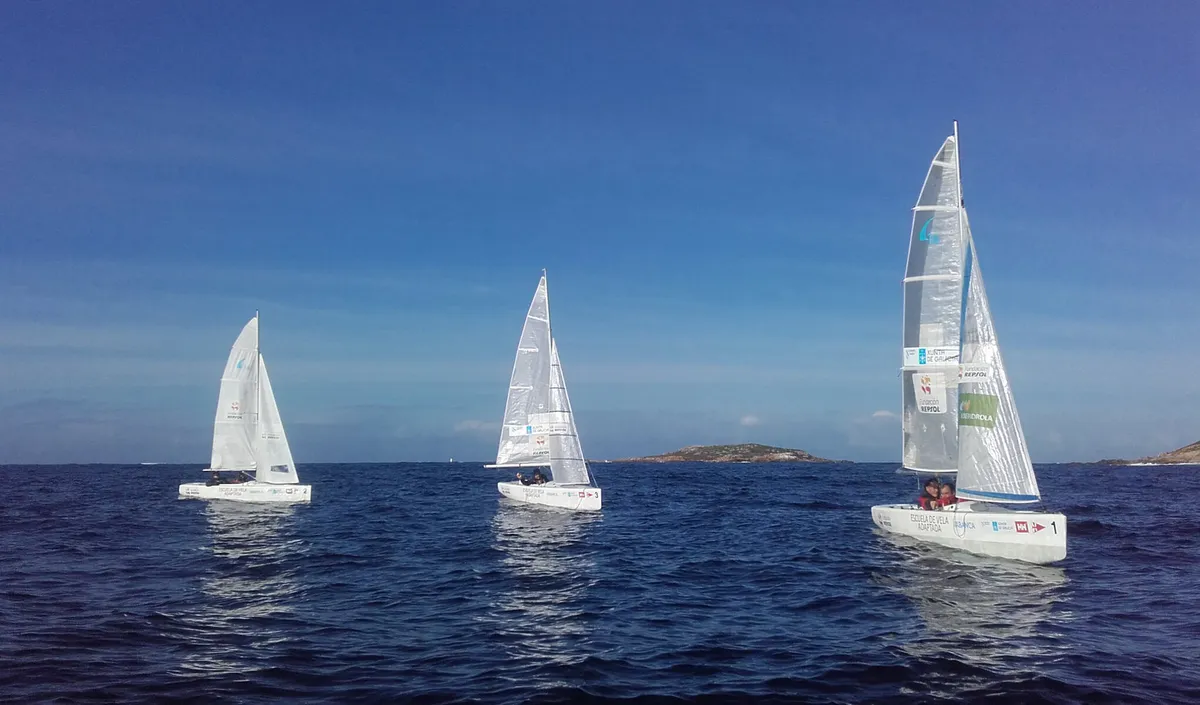
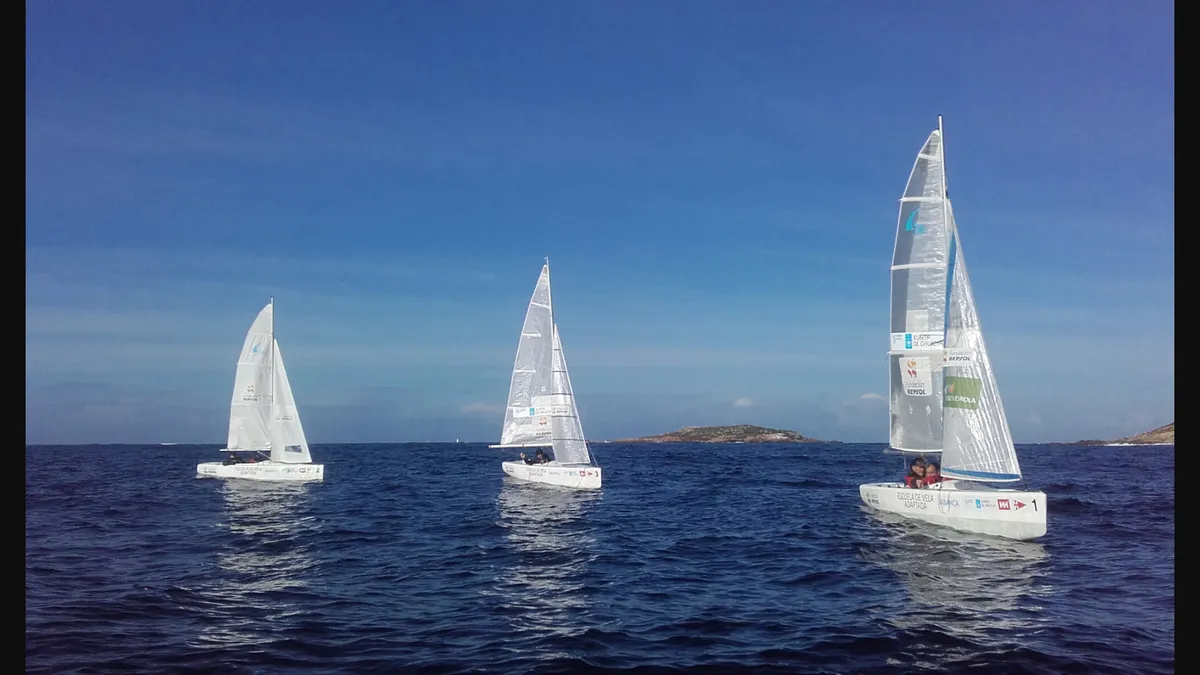
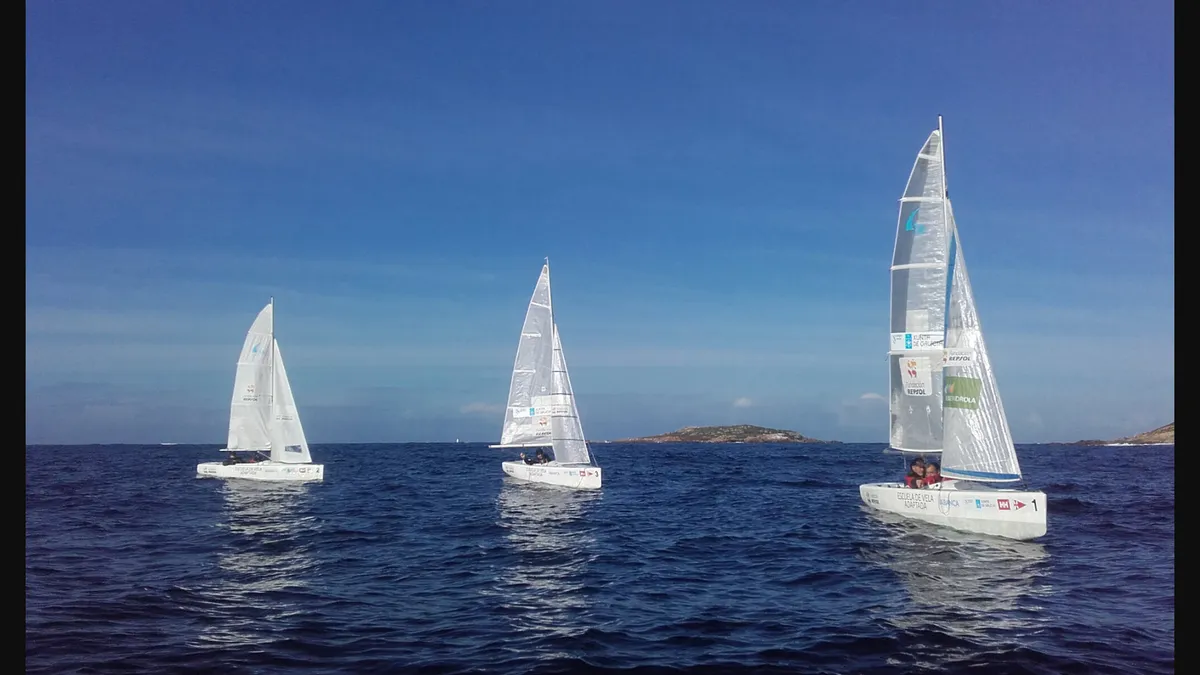
Since then, Maquieira has taken classes at the Monte Real Yacht Club in Baiona. Its Adapted Sailing School started in 2012. The goal is to connect people with disabilities to sailing. They offer free, specialized lessons and accessible boats.
This program and others like it worldwide are creating new opportunities. People with reduced mobility can now enjoy the open sea, free from the limits of buildings and streets.
"We live from the sea here, there is a strong tradition around it," says Olaia Cabo Martinez. She heads the Monte Real Club’s sailing school.
Spain’s northwest has a rich sailing history. The region's deep, fjord-like rías were natural harbors. Baiona was the first European port to hear about the Americas in 1493.
The Monte Real Club, founded in 1965, is known for its regattas. It is a 222-berth marina beneath a 14th-century fortress.
Each year, dozens of people with physical, mental, sensory, or intellectual disabilities graduate from the program. Local nonprofits refer them to the club. Classes run daily from September to June. Teachers must pass a course that includes adapted sailing.
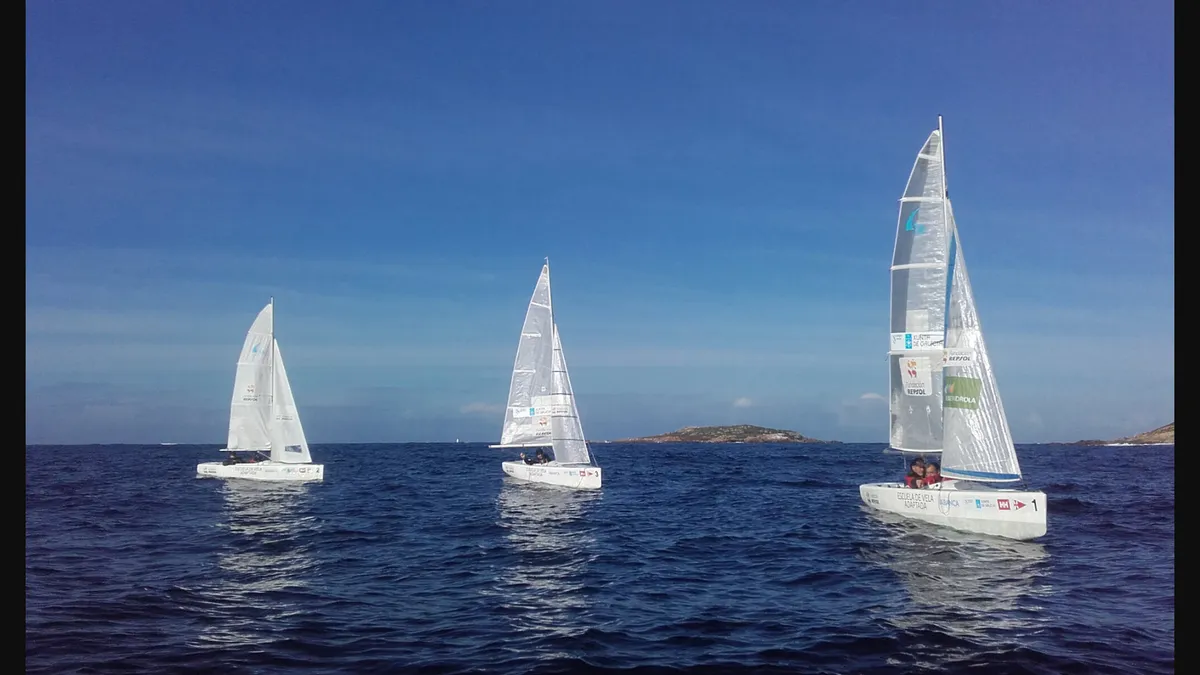
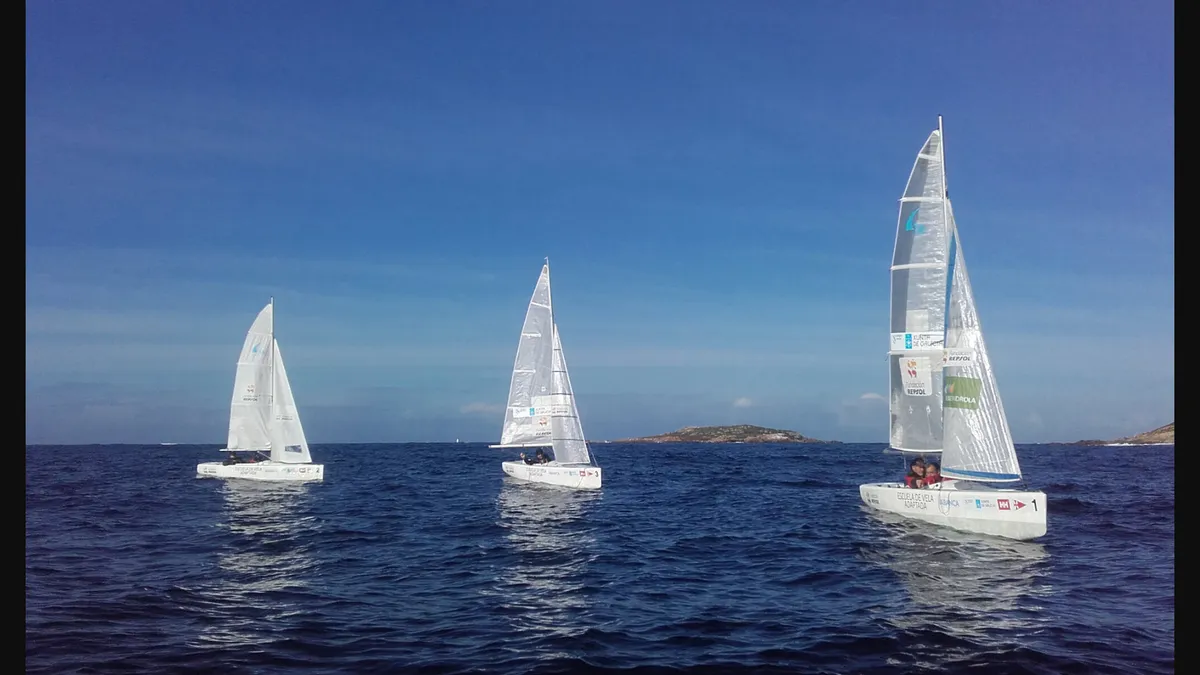
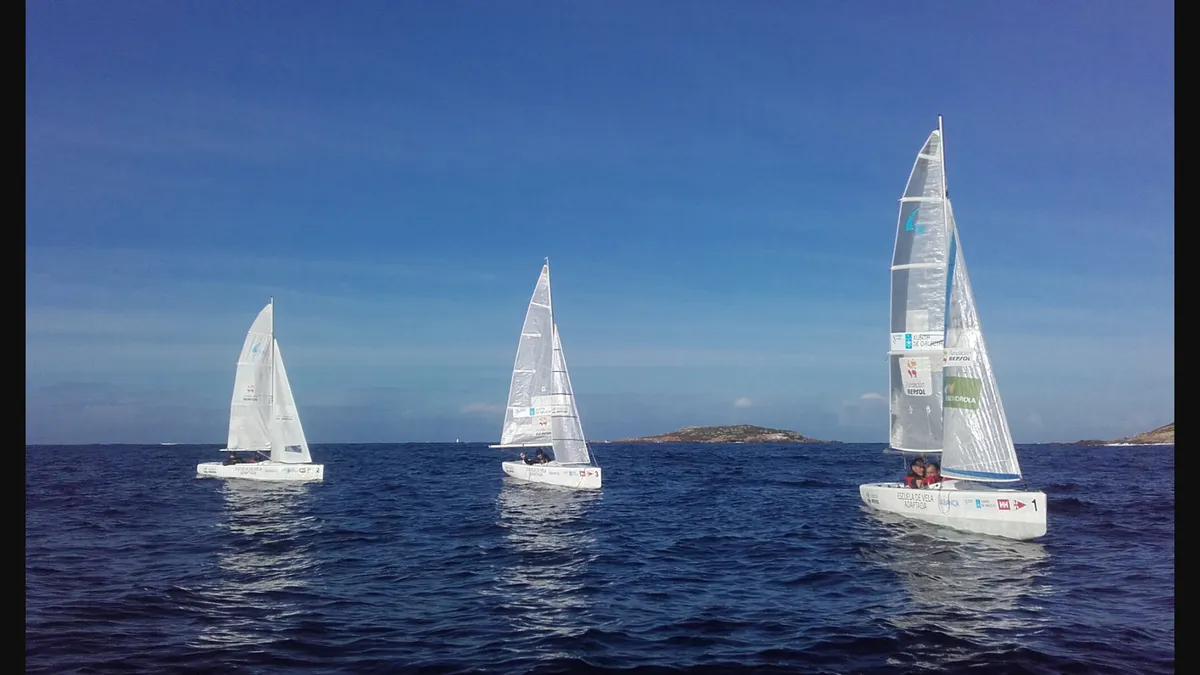
The club has a classroom for theory lessons. The marina has hoists and tools to help people board boats. They use two-seater GOS16 boats. These are designed for comfort and have weighted keels to prevent capsizing.
"The sense of freedom in the boat, when they leave the wheelchair, is incredible," Martinez says. "You can see that they have more confidence in themselves."
She adds that students are always excited and ask when they can go out again. One student cried after seeing a starfish. Another jokingly proposed marriage.
Global Impact and Future Plans
Programs like Monte Real's, also called handi-sailing, promote social inclusion. They empower participants and improve motor and cognitive rehabilitation. They also boost mental and physical health.
A 2018 study in the Scandinavian Journal of Disability Research found an adapted sailing program in Bristol, England, was a "positive, life-affirming and enabling experience." A 2025 study in Italy found sailing enhanced confidence in adolescents with skeletal disorders.
People with disabilities are often excluded from maritime culture. This is due to a lack of accessible boats or high costs. But projects in Europe, Africa, Asia, and the Americas are breaking down these barriers.
In the U.K., Mike Wood founded the Disabled Sailors Association in 1993. He used compensation from an accident that left him tetraplegic. Wood, paralyzed from the chest down, has helped over 25,000 people with disabilities get on the water.
"Wheelchair users are often not catered for," says Wood. He was once turned away from a sailing club because of his wheelchair.
The nonprofit doesn't offer classes like Baiona. Instead, it has two custom-built yachts with wheelchair-accessible berths and toilets. It also has 40 accessible dinghies loaned to people for use at their clubs. Thousands benefit each year.
"It’s very rare when people are not amazed by the end of the day," Wood says. "You have to see the effect it has on people, but especially teenagers. It is mind boggling."
For young kids, the experience can change how they see themselves and their future.
Wood’s team plans to crowdfund £2.5 million ($3.4 million U.S.) for a 50-foot vessel. This charter boat will be capable of crossing the planet.
Similarly, Sailability South Africa in Cape Town built custom, accessible SV14 boats. Founder Peter Jacob started working on accessible boats in Thailand. He wanted to respond to sailing's removal from the 2020 Paralympics. Sailing didn't meet the "minimum criteria for worldwide reach" due to too few sailors.
"The problem is that sailing is now physically accessible but not financially accessible," Jacob says. He hopes sailing will return for the Brisbane Paralympics in 2032.
In Baiona, the demand for adapted sailing highlights this issue. The program costs about €150,000 a year. It gets funding from the regional government, business sponsors, and the club.
"It’s very difficult to find a project like this, with the funding," Maquieira notes.
The Baiona school initially served people with disabilities. In recent years, it expanded to offer classes for senior citizens, children in foster care, and women who are victims of gender-based violence.
"To navigate on the sea, it’s like a leap, to arrive at something new," Maquieira adds. He now returns every two weeks to enjoy sailing. "It’s about inclusion. These projects bring us closer together. This philosophy should be more normalized."