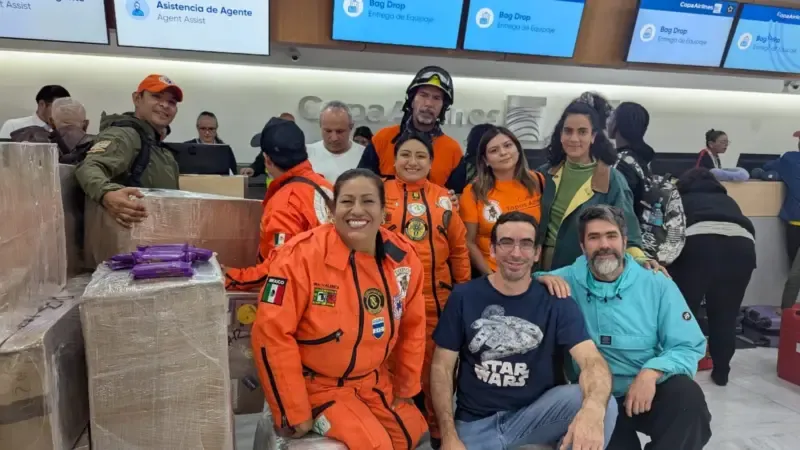
When earthquakes recently rattled Venezuela, a remarkable thing happened: Venezuelans living abroad didn't just watch. They mobilized. From Mexico City to other corners of the globe, a diaspora quickly became a lifeline, raising funds, recruiting volunteers, and building ad-hoc networks to rush aid to survivors.
The Mexico City Connection
In Mexico, a country that unfortunately knows a thing or two about tectonic tantrums, Venezuelan migrant Mariana Álvarez Castillo helped spearhead a relief effort. She teamed up with local groups like La Pitahaya Vegana and Masala CCS, drawing inspiration from Mexico's robust, almost instinctual, post-earthquake response culture.
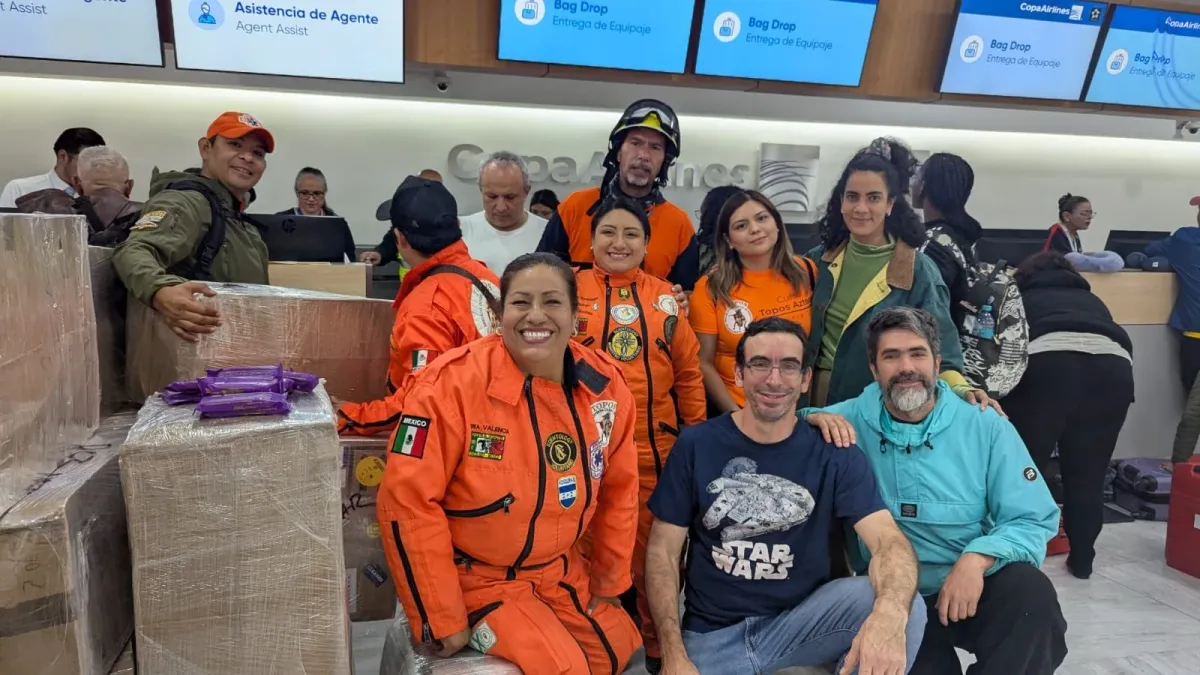
Álvarez and her crew wasted no time. They built a network of volunteers and donors, specifically designed to funnel urgent aid directly to those who needed it most. Because, as Álvarez points out, living in earthquake-prone Mexico teaches you one thing fast: the first few hours after a disaster are everything. Mexico's own seismic history (1985, 2017) forged strong emergency plans, making it clear Venezuela, less prepared, would need immediate, external help.
We're a new kind of news feed.
Regular news is designed to drain you. We're a non-profit built to restore you. Every story we publish is scored for impact, progress, and hope.
Start Your News DetoxHours after the quake, reports started trickling in from La Guaira. The very next morning, the decision was made. They launched their effort and within seven hours flat, delivered supplies, meals, and water to four hospitals. A collection center popped up at La Pitahaya Vegana, swarming with volunteers.
Álvarez notes that Venezuelan migrants are, by necessity, becoming masters of community-building outside their homeland. Unlike other diaspora groups with generations of collective memory, Venezuelans are relatively new to this game. But they're learning fast.
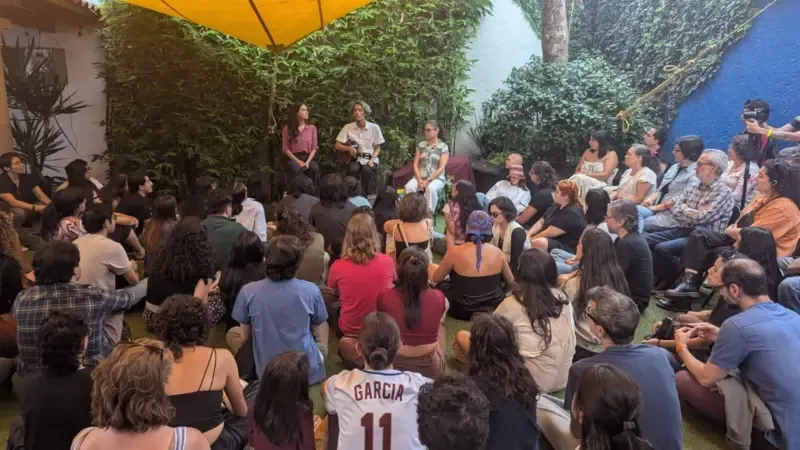
Many small groups quickly agreed: cash was king for urgent needs — water, tools, medical supplies, orthopedic materials for severe injuries. There's also that persistent, quiet hum of guilt for being far away and safe. Taking action, it seems, helps quiet that particular hum.
One of the biggest challenges for migrants in Mexico? Simply not being in Venezuela. Trying to go about daily life while knowing what was unfolding back home proved an emotional tightrope walk.
Trust, Transparency, and Tacos
Venezuela has a complicated history with humanitarian aid, often fraught with distrust. To ensure every donation counted and every dollar was traceable, Álvarez and her friends leaned on personal identities, social media, and trusted community projects like Antroposabores and Conuco.
They partnered with Masala CCS, a Caracas restaurant that cleverly transformed its kitchen into a hub for feeding doctors, rescue workers, and survivors. This created a direct-to-civilian network in Caracas, bypassing potential delays or diversions that can plague larger aid efforts.
Strict records are kept for every donation and purchase. Photos, videos, and testimonials flood social media, giving donors a direct window into the impact of their contributions. Because seeing is believing, especially when trust is paramount.
Recently, they launched "Levantemos la Casa" ("Let's Rebuild the Home"), a series of cultural events in Mexico City where artists and entrepreneurs donate their work to raise funds. All proceeds go directly to those affected by the earthquakes. Art, it turns out, can also be a building block.
Álvarez believes Mexico's earthquake early warning system, which gives precious seconds of warning before the shaking starts, is a model worth replicating. Mexico's focus on prevention and structural safety, with its stringent building codes, offers a stark contrast to Venezuela's vulnerabilities. When infrastructure and preventive policies are lacking, it often falls to citizens to organize and fill the gaps — beyond what any government institution can manage. And fill them, they have.