For generations, families across India held onto fragments of stories: a great-grandfather who vanished into the Great War, a faded photograph, a whispered memory. They knew their loved ones had served, fought, and often, never returned. But officially? Many of those sacrifices simply didn't exist in the records.
More than a century later, that's finally changing. The Commonwealth War Graves Commission (CWGC) has officially recognized 9,909 Indian soldiers whose deaths were previously unrecorded. Let that satisfying number sink in.
The Art of Discovery
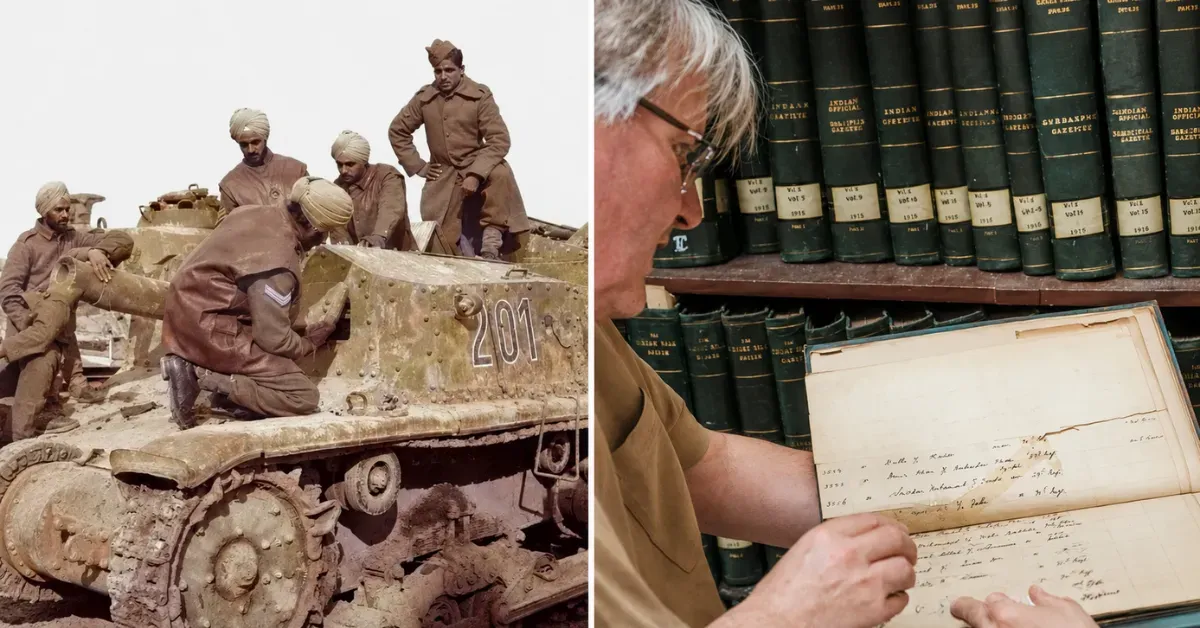
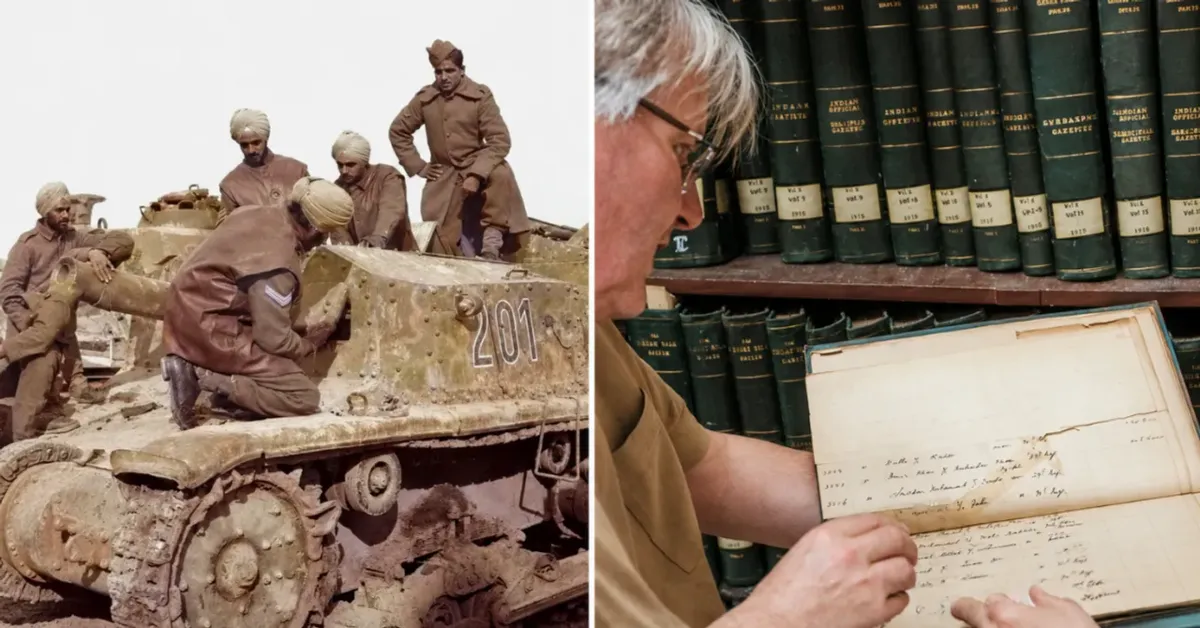
The breakthrough came from an unlikely source: 34 dusty, handwritten Punjab Registers, preserved in the Lahore Museum. These aren't just old books; they're a treasure trove. They documented nearly 320,000 Punjabi recruits who served in the British Indian Army during World War I, many of whom had been missing from official histories for over 100 years.
We're a new kind of news feed.
Regular news is designed to drain you. We're a non-profit built to restore you. Every story we publish is scored for impact, progress, and hope.
Start Your News DetoxThe whole endeavor kicked off in 2014, when historian Amandeep Madra, co-founder of the UK Punjab Heritage Association, stumbled upon the registers. Historians knew such records should exist, but finding them tucked away in an art museum? That’s the kind of plot twist you don't expect.
For Madra, the significance quickly became personal. Punjab was a massive recruiting ground for the British during the war, with some villages sending as many as 40% of their men. While photographing one of the first registers, from his family's home district of Ambala, he found his own great-uncle, Bishen Singh. His father had only remembered collecting an uncle's pension as a boy, and that Bishen Singh had been blinded by sandstorms.
"That was all we knew. Then I found him in the register," Madra recalled. It was a moment that made him realize if his family could recover their history, thousands of others might too.
The Painstaking Puzzle
This wasn't a simple read-and-list project. Over 26,000 fragile pages needed to be photographed, digitized, indexed, and transcribed. It became a five-year collaboration involving the CWGC, the UK Punjab Heritage Association, and the University of Greenwich. Researchers, historians, volunteers, and military experts meticulously compared the Punjab Registers against 74,000 existing CWGC Indian Army casualty records.
It was the kind of work that makes your eyes water. Names were often spelled differently by various clerks, villages had multiple spellings, and Punjabi naming customs required careful interpretation. Colonial-era service records, naturally, weren't exactly bastions of consistent detail.
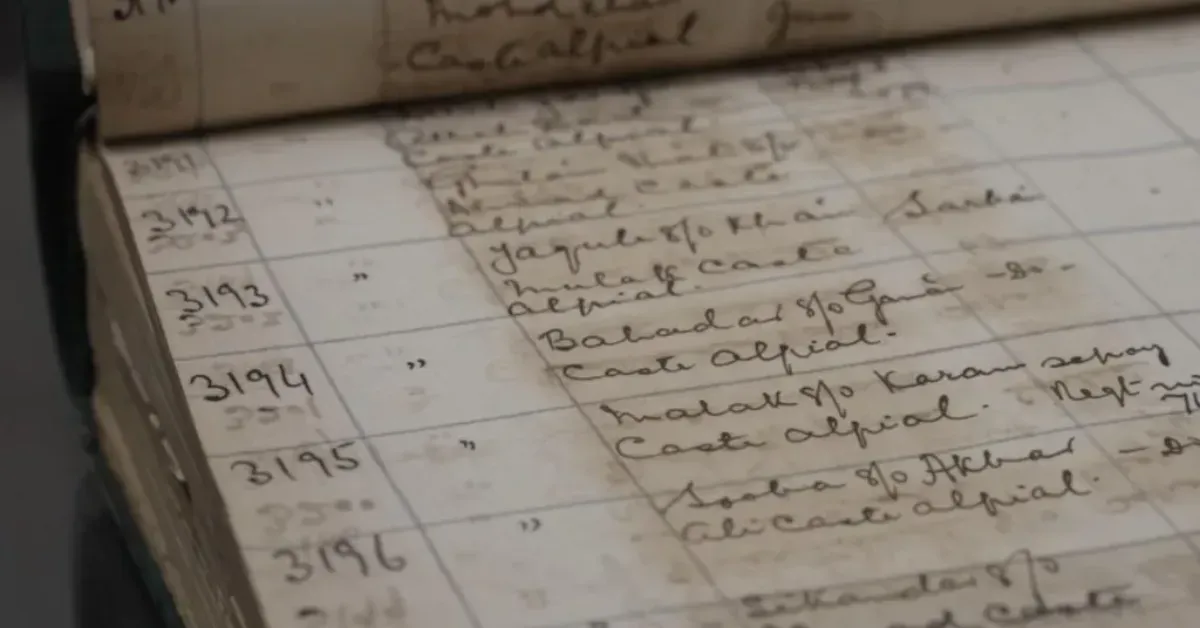
During the COVID-19 lockdown, volunteers cross-checked soldiers listed as having died during the war. As more records were examined, a clear, heartbreaking pattern emerged. After reviewing 15,935 recorded deaths with both computer analysis and manual verification, they identified 9,909 soldiers whose names were completely missing from official wartime commemoration.
"Over a century after the end of the First World War, our mission endures," said Claire Horton, Director General of the CWGC. "The Punjab Registers project is a landmark moment in that mission." She noted that recovering these names helps restore missing chapters in family and world histories, reminding us that commemoration is about personal identity and the human cost of war.
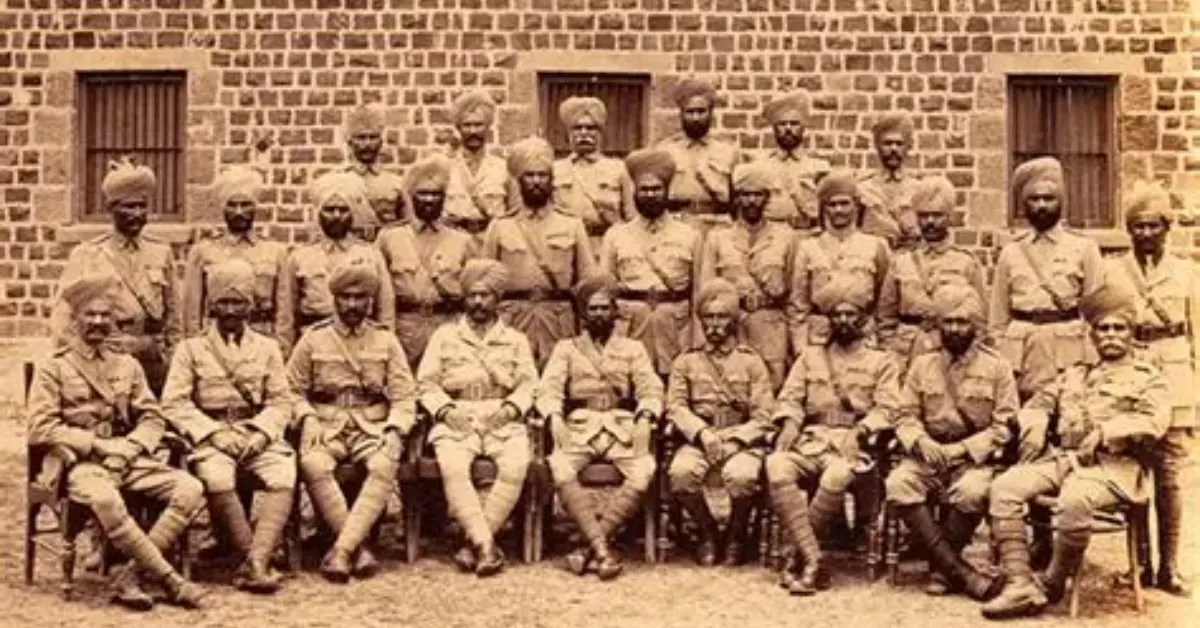
More than 1.3 million Indians served in World War I, making the British Indian Army one of history's largest volunteer forces. Punjab alone supplied nearly half a million recruits from Sikh, Muslim, Hindu, and Christian communities. These registers aren't just military documents; they're an extraordinary social record, preserving details of villages, families, and communities from before Partition. For the families of those 9,909 soldiers, history just got a whole lot more complete. After more than a century, names once confined to fading registers are now etched into the historical record, ensuring these men are remembered as individuals whose stories are part of history.