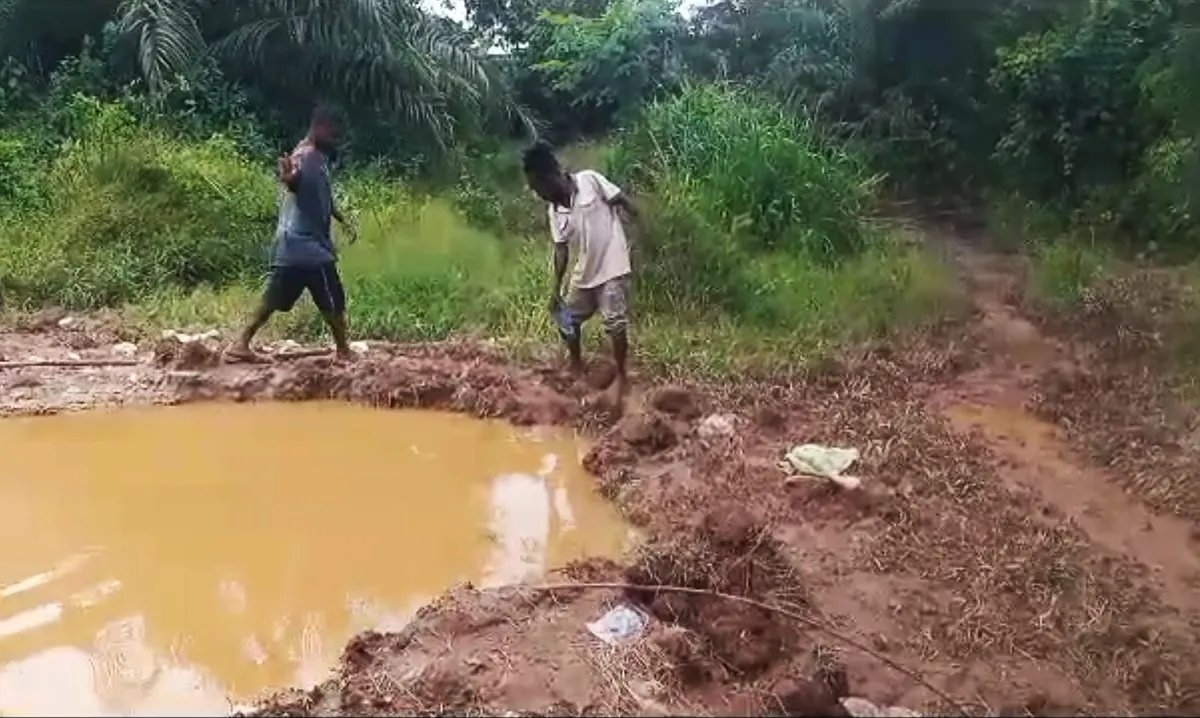
Ghana's High Court just handed down a 20-year prison sentence to Bernard Antwi Boasiako, a regional chairman for the opposition New Patriotic Party. His crime? Helping unlicensed miners — or "galamsey" operators, as they're known locally — dig up the Samreboi concession.
This isn't just any patch of dirt. The Samreboi concession sits smack in Ghana’s Western Region, a vital part of the Upper Guinean Forest Belt. We're talking about what's left of tropical rainforest that stretches across West Africa. It's the kind of place you'd expect to find actual wildlife, not clandestine gold operations.
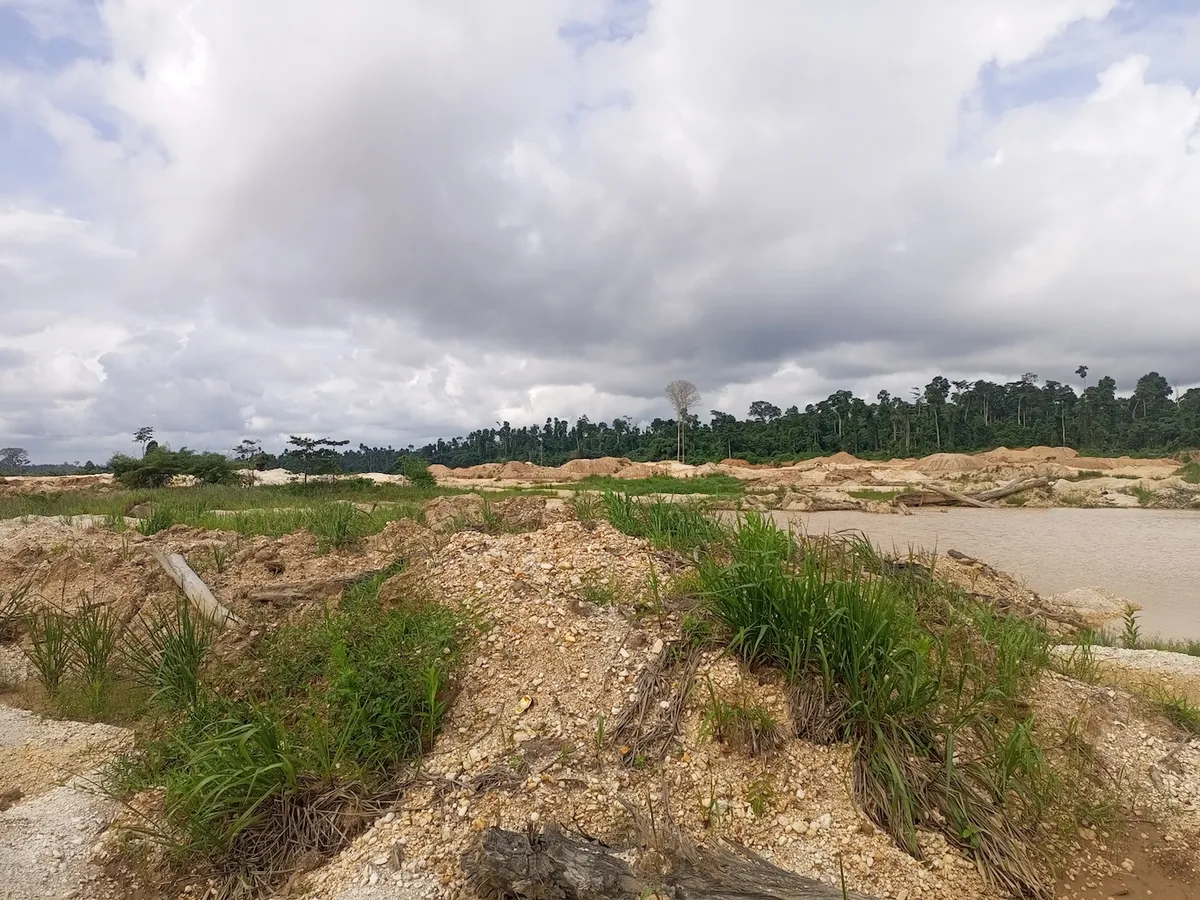
Over the years, this landscape has seen its fair share of logging and conversion into cocoa farms. But pockets of crucial natural forest, like the Tano Nimiri and Aboi forest reserves, have stubbornly hung on.
We're a new kind of news feed.
Regular news is designed to drain you. We're a non-profit built to restore you. Every story we publish is scored for impact, progress, and hope.
Start Your News DetoxThen came the galamsey. These illegal mining operations have been busy tearing up wildlife habitats, ruining farmland, and messing with natural water flows, leaving behind a Swiss cheese landscape of abandoned pits. The kind of environmental damage that doesn't just look bad, it actively causes problems.
Like, for instance, in June, when heavy rains turned the Tano River into an angry beast. More than 200 homes in Samreboi and neighboring communities ended up underwater. Some just gave up and collapsed. Because apparently, digging giant holes next to a river has consequences.
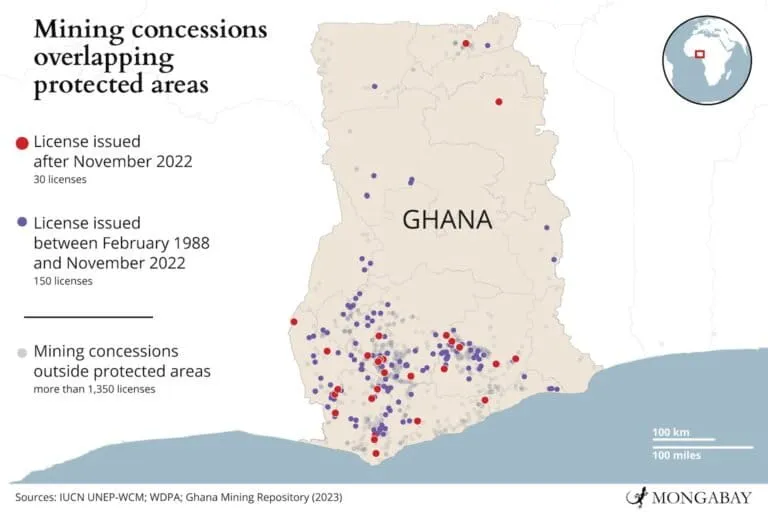
Now, while the illegal galamsey gets the headlines, it's worth noting that industrial mining is actually the bigger culprit for forest loss in Ghana, which happens to be Africa's largest gold producer. Because when you're the continent's top gold-digger, a lot of dirt gets moved.
Things got particularly spicy after a 2022 law decided it was a good idea to issue mining permits inside forest reserves. Yes, you read that right. Protected forests suddenly weren't so protected. (Thankfully, that law was repealed in 2025 – because apparently, even governments sometimes learn.)
Boasiako's conviction on July 20th has predictably sparked quite the conversation. Because when a prominent politician goes down for environmental crimes, people tend to notice. And maybe, just maybe, remember that some things are more valuable than gold.